Dessert Recipes
182 dessert recipes from across the Philippines · page 4 of 8

Flan Napolitano
Flan Napolitano — a richer, creamier version of leche flan made with cream cheese for an extra-silky texture. Mexican-inspired decadence.

Fruity Prune Cake
Dense, moist prune cake packed with dried fruit — richly spiced and perfect with a cup of coffee or tea.

Fudge Brownies
Made with unsweetened baking cocoa powder, all-purpose flour, granulated white sugar and raw eggs — a sweet fudge brownies treat that's perfect for merienda or dessert.

Ghostly Dark Chocolate Cupcake
This Dark Chocolate Cupcake is perfect for halloween. Its cute ghostly design is interesting for the kids and fits the season, while its rich dark chocolate can make both kids and adults happy.
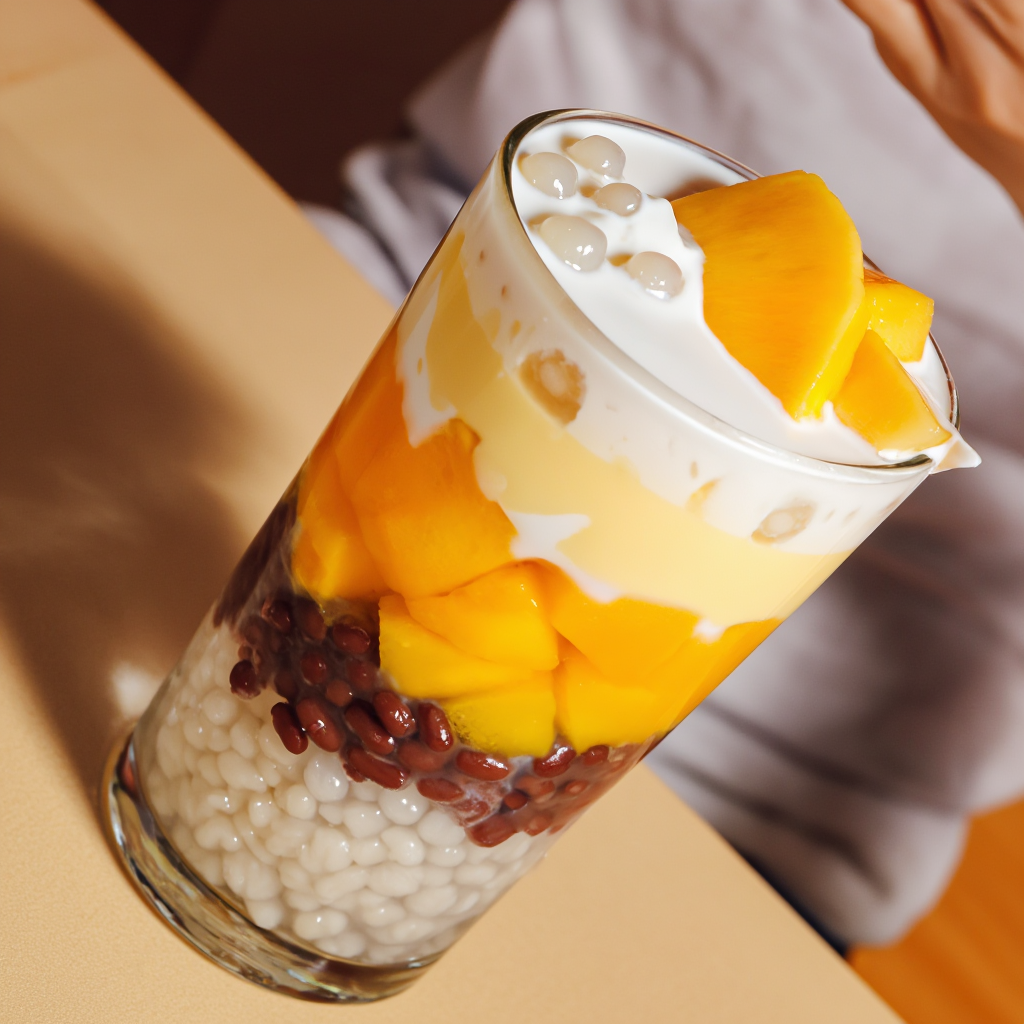
Ginataang Halo-halo
Ginataang halo-halo is rich, creamy, and loaded with coconut flavor. Made of glutinous rice balls, sago, tropical fruits, and tubers, it makes a delicious and filling snack, dessert, or breakfast!

Ginataang Halo-halo (Binignit)
Halo-halo cooked in rich coconut milk — creamy, mild, and deeply satisfying. A staple Filipino cooking method from the Bicol region.

Halayang Ube
Halayang Ube or Ube Halaya is a classic Filipino delicacy made of purple yam, coconut milk, and butter. Creamy, cheesy, and topped with golden latik, it's delicious as a snack or dessert.

Halo-Halo
Halo-Halo — the ultimate Filipino dessert. Shaved ice, sweet beans, fruits, leche flan, ube, and ice cream all mixed together.
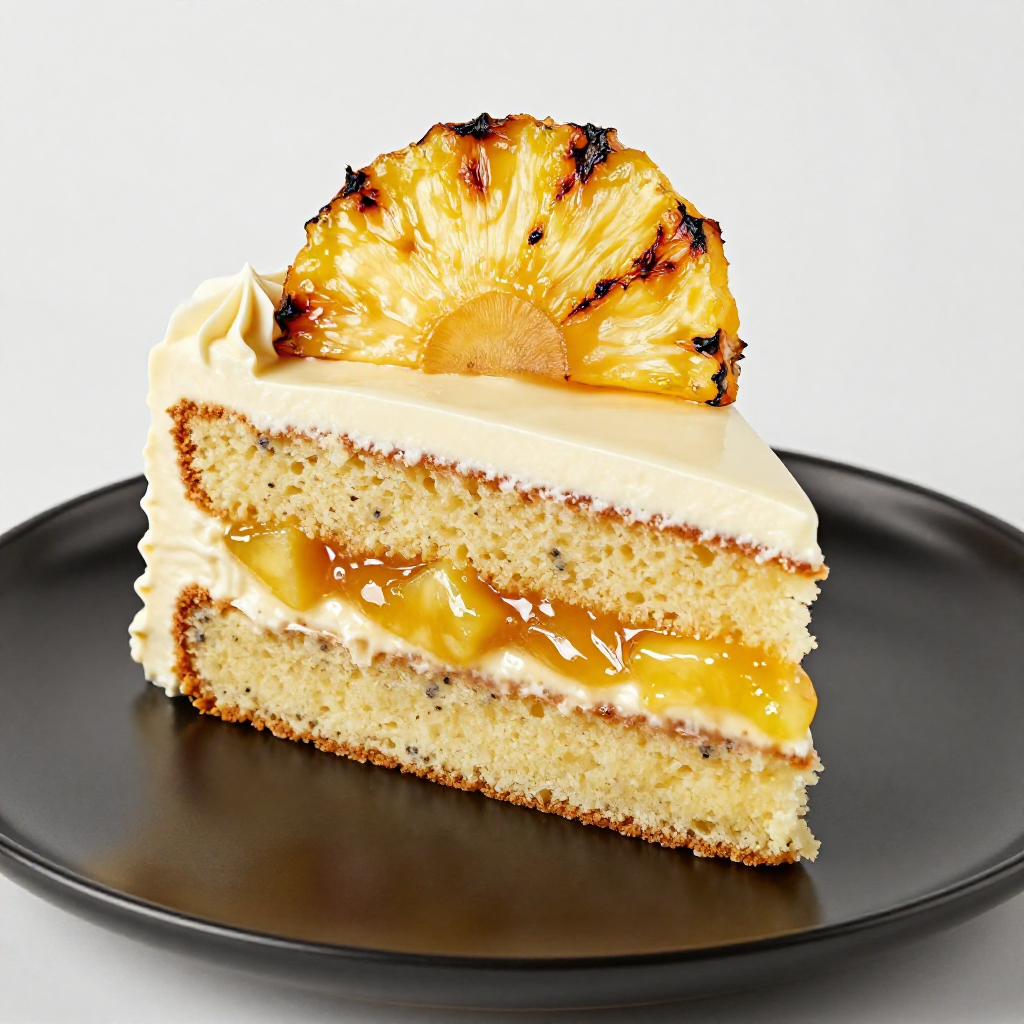
Hinagom
Hinagom (also called Hinagum) is a rustic, community-centered delicacy from Sorsogon that turns freshly harvested rice into a sweet, fragrant treat. Unlike store-bought rice, Hinagom requires freshly threshed grains — still fragrant and slightly sticky — that are pounded in a wooden mortar (losong) into coarse bits called ginalpong. This pounded rice forms the foundation of the dish and is the same ingredient used for bilo-bilo, palitaw, and suman in the Bicol highlands. The ginalpong is roasted in a pan until fragrant, then pounded again along with fresh grated coconut and brown sugar. The result is a caramel-colored, sticky-sweet cake that tastes of toasty rice and rich coconut. It's shaped by hand into small rounds and wrapped in banana leaves, making it perfect as a snack or pasalubong. Making Hinagom is often a family or community event — the losong is heavy enough that children, elders, and adults all take turns pounding.
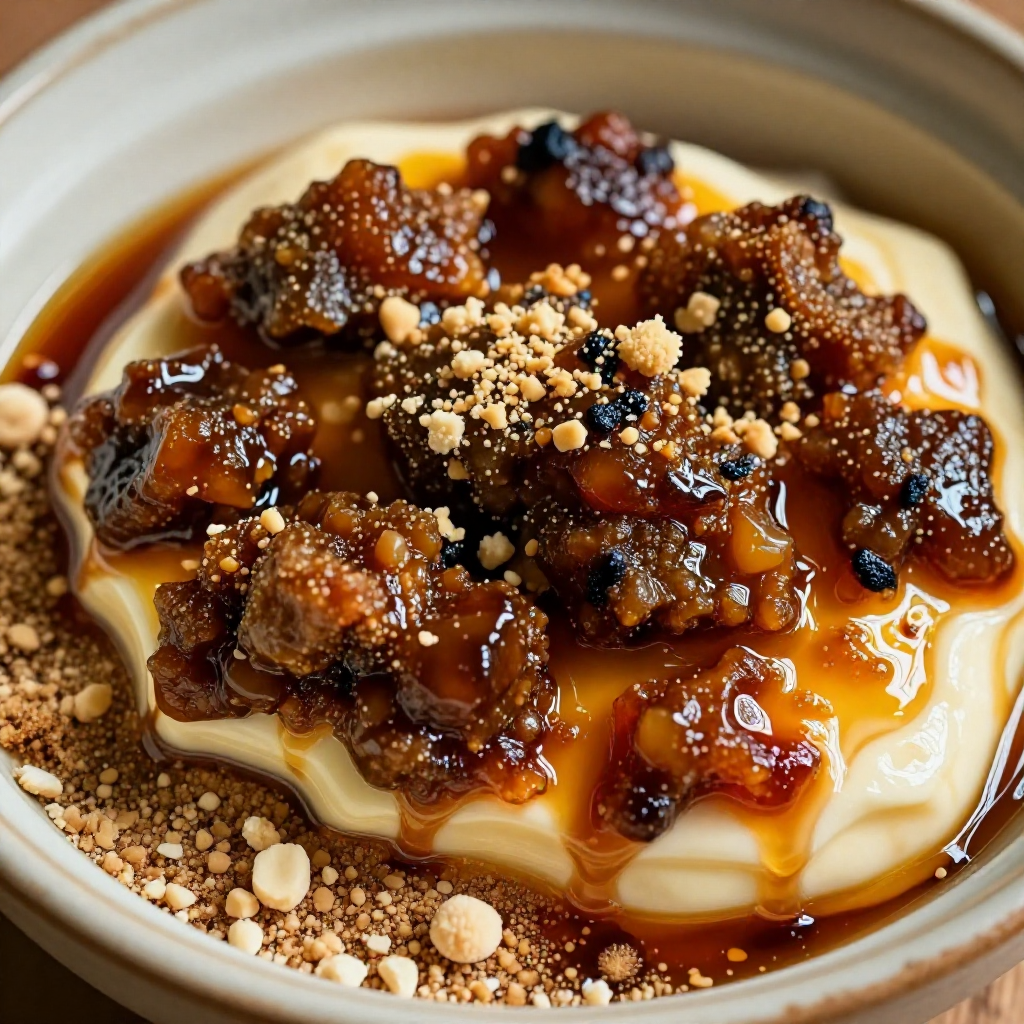
Inandila
Inandila is Kalinga's version of palitaw — a sweet, sticky rice cake that holds deep cultural meaning in the province. Traditionally prepared by the bride's family during wedding ceremonies, inandila is made from pounded glutinous rice mixed with sugar and coconut milk, wrapped in banana leaves, and boiled to a tender chew. It is served drizzled with ladek (Kalinga-style latik), a caramelized coconut-crumb syrup, and sometimes topped with crushed peanuts. The communal preparation of inandila is a cherished tradition that strengthens bonds between families.

Jean's Graham Mango Float
Made with crushed graham, graham crackers, all purpose cream or coolwhip and condensed milk — a sweet jean's graham mango float treat that's perfect for merienda or dessert.

Jelly Roll
Jelly roll — a thin sponge cake spread with jam and rolled into a spiral. Light, pretty, and slices up beautifully.

Kalamay
Glutinous rice flour is slowly cooked with coconut milk and brown sugar over low heat until the mixture thickens into a sticky, chewy, and sweet confection, then topped with golden latik coconut curds for added richness and textural contrast in every bite.

Kalamay Gabi
Kalamay Gabi is a Filipino cake made with coconut milk and taro. It's perfectly sweet and creamy and loaded with golden latik, making it a delicious and filling midday snack or dessert.

Kalamay Lansong
Kalamay Lansong — a smooth, sweet Filipino glutinous rice cake steamed in banana leaves with coconut cream and brown sugar.

Kalamay hati
Kalamay Hati — a rich, sticky Filipino rice cake made from glutinous rice flour, coconut milk, and muscovado sugar. Dense and satisfying.

Kalamay sa Latik
Kalamay sa Latik is a sticky rice cake stewed in simple syrup, coconut curds, and jackfruit strips. Sweet, chewy, and fragrant, this Filipino sweet delicacy is delicious for dessert or a midday snack. Have you tried my minatamis na langka recipe yet? I hope you have because today, we will need strips of sweetened jackfruit to make a delicious Filipino delicacy you're sure to love. We're making kalamay sa latik! Kalamay sa latik is a type of Filipino kakanin made of glutinous rice flour and cocon.
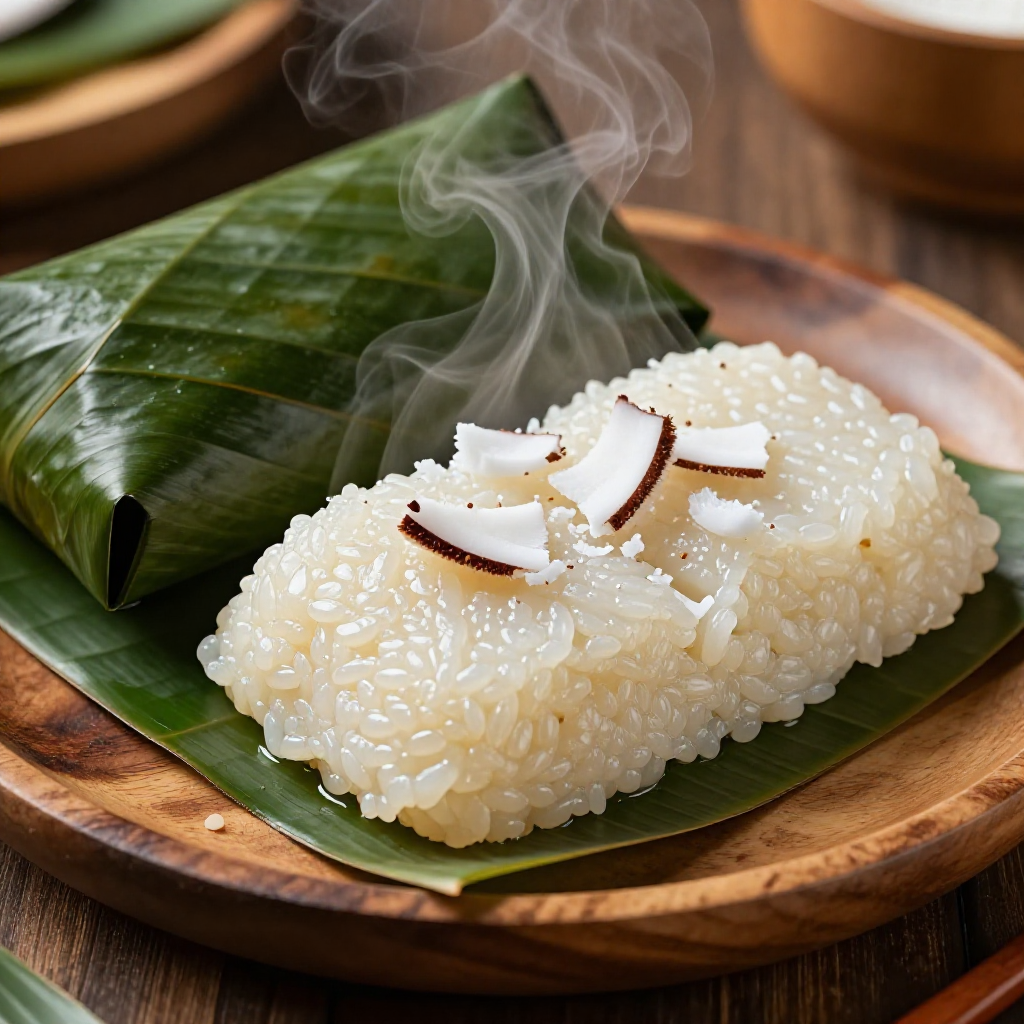
Kankalehan
A beloved Ilocano steamed rice cake made from glutinous rice flour and coconut milk, wrapped in banana leaves and cooked over low heat until tender and slightly caramelized. Kankalehan has a soft, chewy texture with a subtle sweetness that pairs perfectly with a cup of strong coffee or hot chocolate. Often served during fiestas and family gatherings in Ilocos, this humble treat reflects the resourcefulness of Ilocano cuisine.

Kapit
Kapit is a rolled sticky rice cake with jackfruit and latik filling. Sweet, chewy, and loaded with coconut flavor, this Kapampangan delicacy is delicious as a snack or dessert.
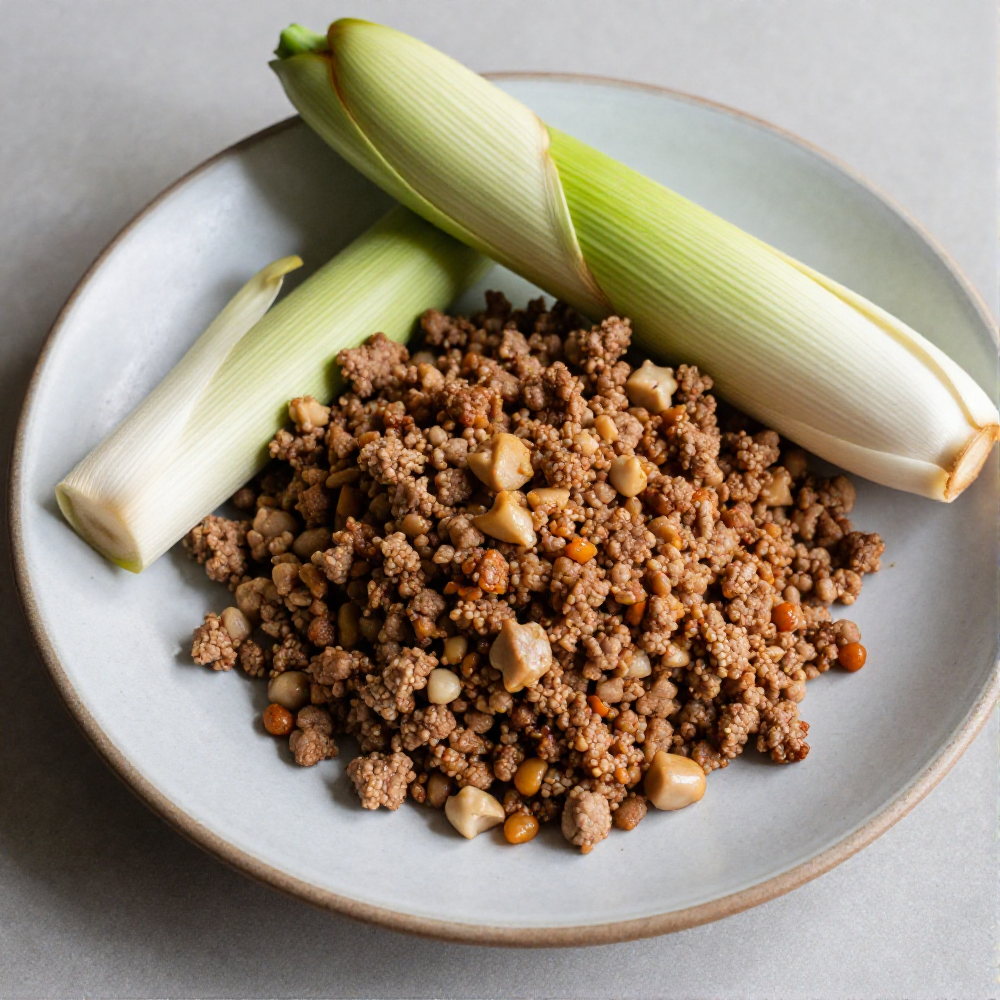
Kipo
Kipo — a traditional Visayan dish of sautéed ground pork and liver with banana heart (puso ng saging). Earthy, hearty, and uniquely regional.

Kusido
Kusido — a traditional Filipino sweet confection made from glutinous rice and coconut, slow-cooked to a chewy, sticky consistency.

Kutsinta
Kutsinta (cuchinta) are Filipino steamed cakes made with flour, tapioca flour, and brown sugar. Soft, chewy, and topped with grated coconut, they're a delicious breakfast, snack, or dessert.

Lambagon
Lambagon is a humble yet deeply satisfying Zamboangano dessert made from sweet potato, coconut milk, and sugar. The sweet potato is cooked until it practically melts, then folded into a creamy coconut mixture that sets into a sliceable cake. It's the kind of treat you'll find at fiestas and Sunday family gatherings.

Latik
Thick coconut milk is slowly simmered with sugar and pandan leaves over low heat until the oils separate and the milk solids caramelize into golden, chewy coconut curds that serve as a classic sweet topping for many Filipino desserts.