Pro Tips
Pat the meat dry before browning. Let tough cuts cook slowly for best results.
Cooking Tips
Skim off any scum or impurities that rise to the surface during the first boil — this keeps the broth clear and clean-tasting. For the richest flavor, start with cold water and bring to a gentle simmer rather than a rolling boil. This extracts more depth from the meat and bones. Check liquid levels halfway through cooking and add hot water or broth if needed. Long-cooked dishes can dry out or burn if left unattended.
Ingredient Substitutions
Beef alternatives: For stews, pork shoulder or oxtail provide similar richness. For steaks, try portobello mushrooms or cauliflower steaks for a vegetarian twist. Short on time? A pressure cooker (Instant Pot) can reduce cooking time by roughly half for most braised and stewed Filipino dishes. Reduce liquid slightly since less evaporates.
Storage & Reheating
Store in an airtight container in the refrigerator for up to 3–4 days. The flavors often deepen overnight, making leftovers even more delicious. This dish freezes exceptionally well — portion into freezer-safe containers and store for up to 3 months. Thaw overnight in the refrigerator before reheating. When reheating frozen portions, add a splash of water or broth to restore the original consistency, as some liquid is absorbed during storage. Reheat on the stovetop over medium-low heat, adding a splash of water or broth if the sauce has thickened during storage. Microwave in 30-second bursts, stirring between each.
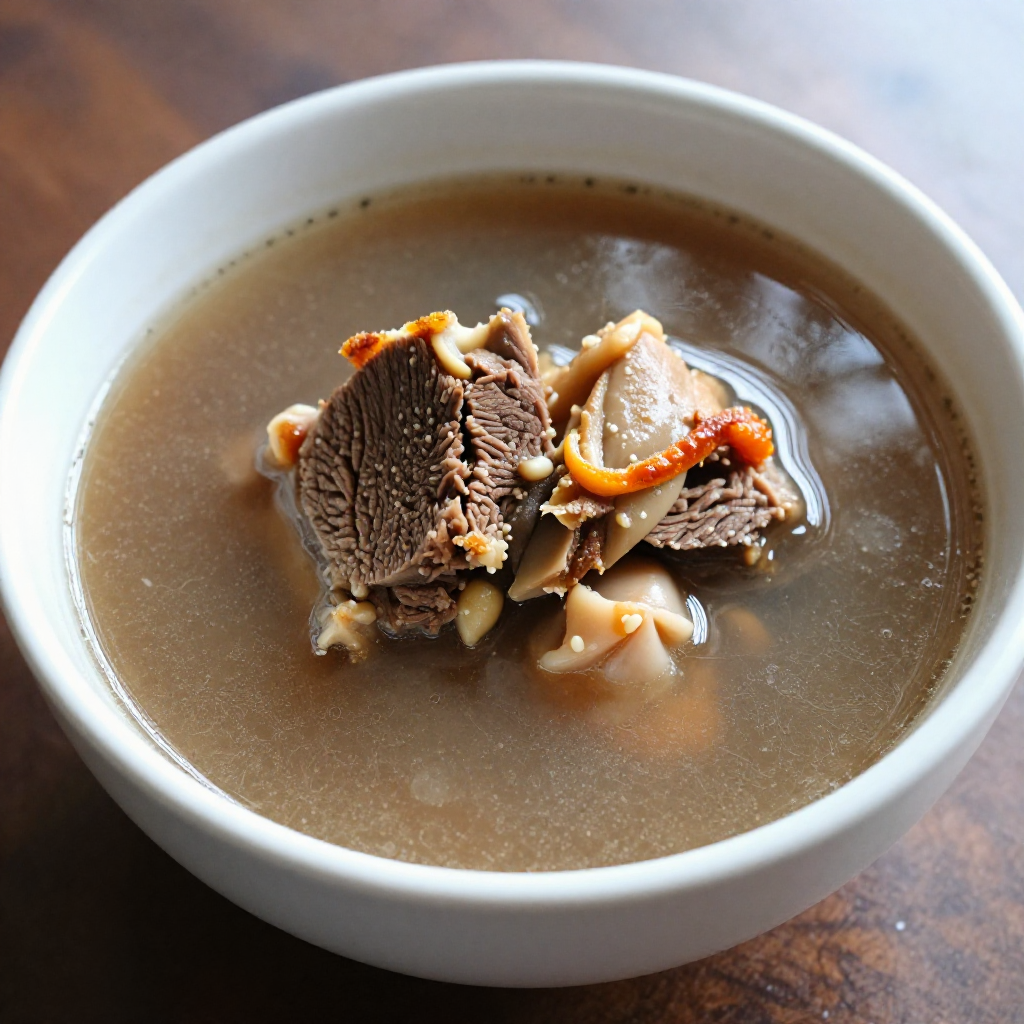
Bulalo sa Miso
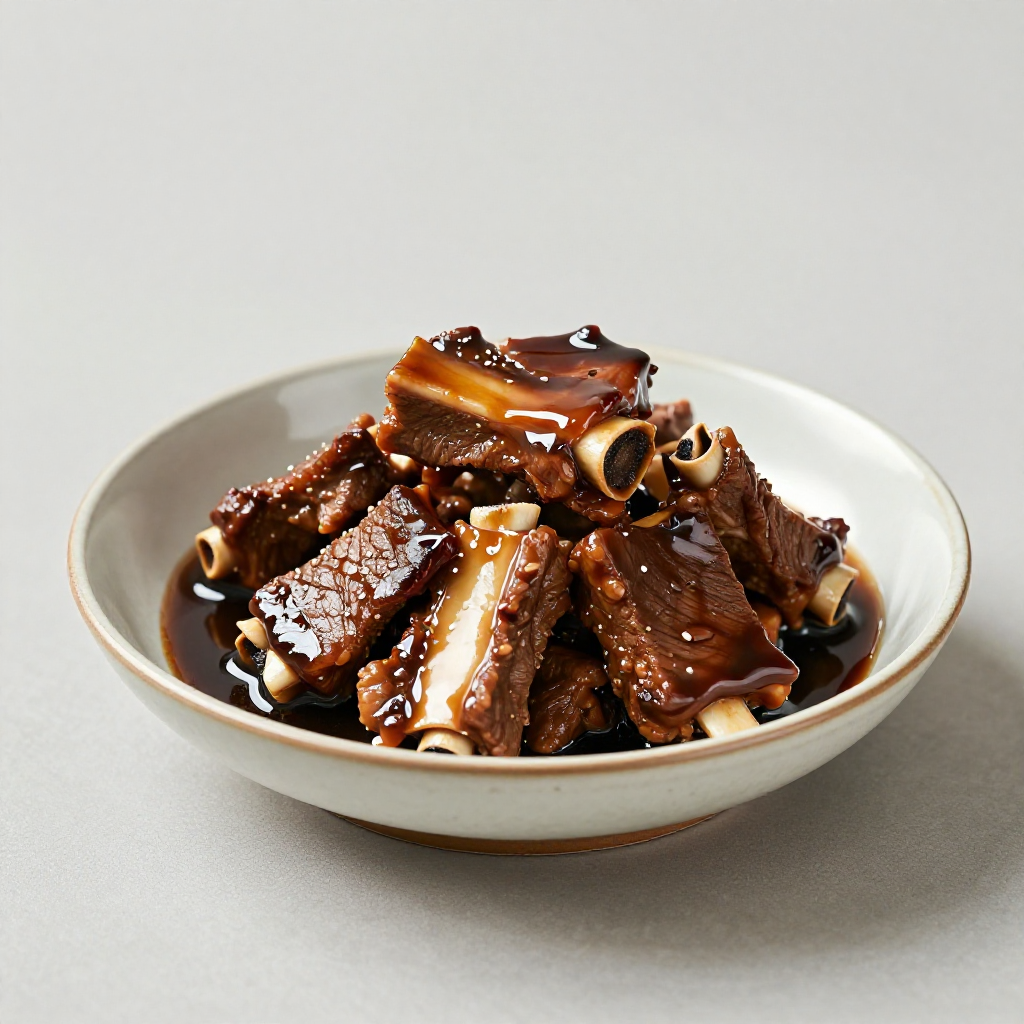
Bulalo sa miso is the Ilonggo twist on the classic Filipino beef shank soup, and it's absolutely magnificent. Instead of the usual clear broth seasoned with salt and pepper, this version uses miso paste to create a deeply savory, almost umami-bomb soup that coats every sip in warmth. The beef shanks are slow-cooked until the meat is fork-tender and practically falls away from the bone, while the marrow inside adds a silky richness. It's comfort food at its finest—hearty, soul-warming, and deeply satisfying on a cold evening.
Instructions
- Place the beef shanks in a large pot and cover with cold water. Bring to a boil over high heat, then let it boil for about 5 minutes. You'll see a lot of scum and foam rising to the surface—that's impurities from the meat. Drain the water, rinse the beef under cold running water, and scrape off any remaining scum. This step is crucial for a clean, clear broth.
- Return the cleaned beef to the pot and add fresh water (about 2 liters), quartered onions, whole garlic cloves, bay leaves, and peppercorns. Bring to a boil again, then immediately reduce to a low simmer. Skim off any foam that rises during the first 15 minutes. Cover and let it simmer gently for about 1.5 to 2 hours, checking occasionally, until the beef is tender enough to pierce easily with a fork.
- While the beef is simmering, dissolve the miso paste in 100 ml of warm water until smooth and lump-free. Set it aside—never boil miso directly or you'll kill the delicate probiotics and alter the flavor. It should be stirred in at the end.
- Once the beef is tender, add the potato wedges and daikon radish chunks to the pot. Simmer for another 15 to 20 minutes until the vegetables are cooked through but still hold their shape. Then add the napa cabbage and cook for just 3 to 5 more minutes—you want it wilted but still slightly crisp.
- Remove the pot from the heat entirely. This is the key step: stir in the dissolved miso paste and fish sauce now, off the heat. The residual warmth is enough to blend the miso into the broth. Taste and adjust with salt if needed—the miso should be prominent but balanced.
- To serve, carefully lift the beef shanks from the pot and place them in deep bowls. Spoon the vegetables around them, then ladle the hot miso broth generously over everything. The marrow inside the bones is pure liquid gold—scoop it out with a spoon and stir it into your broth for extra richness. Serve with crusty bread or steamed rice.
Kitchen Tools We Recommend
Cook Bulalo sa Miso the easy way with the right tools. Shop our favorite kitchen essentials on Amazon — from reliable pots and pans to measuring tools that make Filipino cooking simpler.
🔥 Trending on Amazon right now — these products are selling fast. Check out what's climbing the charts.
As an Amazon Associate, I earn from qualifying purchases.
Pro Tips & Troubleshooting
Cooking Tips
For the richest flavor, start with cold water and bring to a gentle simmer rather than a rolling boil. This extracts more depth from the meat and bones.
Check liquid levels halfway through cooking and add hot water or broth if needed. Long-cooked dishes can dry out or burn if left unattended.
Substitutions
Short on time? A pressure cooker (Instant Pot) can reduce cooking time by roughly half for most braised and stewed Filipino dishes. Reduce liquid slightly since less evaporates.
Storage & Reheating
This dish freezes exceptionally well — portion into freezer-safe containers and store for up to 3 months. Thaw overnight in the refrigerator before reheating.
When reheating frozen portions, add a splash of water or broth to restore the original consistency, as some liquid is absorbed during storage.
Reheat on the stovetop over medium-low heat, adding a splash of water or broth if the sauce has thickened during storage. Microwave in 30-second bursts, stirring between each.
Comments (0)
Leave a comment