Pro Tips
**Chef's Tips & Troubleshooting:**
- Preheat the oven fully before putting anything in — a cold oven gives dense, flat results.
- Measure flour by spooning it into the cup, not scooping directly — scooping packs it down and adds up to 25% more flour.
- Bring butter and eggs to room temperature before creaming — they incorporate air better for a lighter texture.
Cooking Tips
Let the dessert cool completely before slicing or serving — many Filipino sweets set and develop their best texture as they rest. Use fresh coconut milk (gata) when available rather than canned. The natural sweetness and rich consistency make a noticeable difference. In true Kapampangan style — the food capital of the Philippines — don't be shy with the seasoning. Pampanga cooking is known for its bold, confident flavors.
Ingredient Substitutions
No coconut milk? For a richer alternative, blend canned coconut cream with water (1:1). For a lighter option, use evaporated milk with a splash of coconut extract. In a pinch, heavy cream or full-fat milk can replace coconut milk — the texture will be similar though the flavor profile changes. Short on time? A pressure cooker (Instant Pot) can reduce cooking time by roughly half for most braised and stewed Filipino dishes. Reduce liquid slightly since less evaporates.
Storage & Reheating
Store in an airtight container in the refrigerator for up to 3–4 days. The flavors often deepen overnight, making leftovers even more delicious. Store desserts in a sealed container at room temperature for up to 2 days, or refrigerate for up to a week. Let chilled desserts come to room temperature before serving for the best texture and flavor. Reheat on the stovetop over medium-low heat, adding a splash of water or broth if the sauce has thickened during storage. Microwave in 30-second bursts, stirring between each.
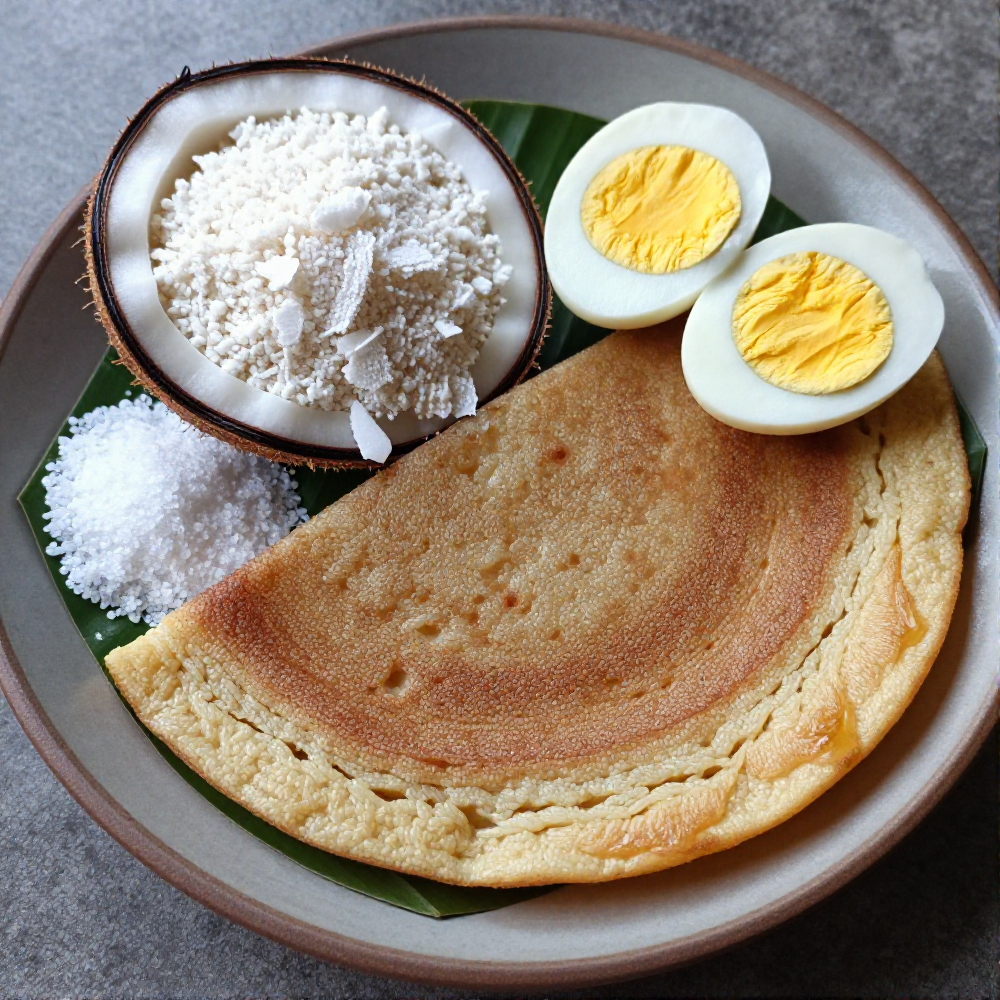
Bibingka
Bibingka — a soft rice cake baked in banana leaves with salted egg and cheese on top. The taste of Simbang Gabi.
Instructions
- Preheat oven to 350F. Grease baking pans.
- Mix rice flour, sugar. Add eggs and coconut milk, beat smooth.
- Pour batter, place 1 salted egg in center of each.
- Bake 20 min. Brush with butter, sprinkle coconut flakes.
- Bake 15 more minutes until golden. Serve warm.
Kitchen Tools We Recommend
Cook Bibingka the easy way with the right tools. Shop our favorite kitchen essentials on Amazon — from reliable pots and pans to measuring tools that make Filipino cooking simpler.
🔥 Trending on Amazon right now — these products are selling fast. Check out what's climbing the charts.
As an Amazon Associate, I earn from qualifying purchases.
Pro Tips & Troubleshooting
- Preheat the oven fully before putting anything in — a cold oven gives dense, flat results.
- Measure flour by spooning it into the cup, not scooping directly — scooping packs it down and adds up to 25% more flour.
- Bring butter and eggs to room temperature before creaming — they incorporate air better for a lighter texture.
Cooking Tips
Use fresh coconut milk (gata) when available rather than canned. The natural sweetness and rich consistency make a noticeable difference.
In true Kapampangan style — the food capital of the Philippines — don't be shy with the seasoning. Pampanga cooking is known for its bold, confident flavors.
Substitutions
In a pinch, heavy cream or full-fat milk can replace coconut milk — the texture will be similar though the flavor profile changes.
Short on time? A pressure cooker (Instant Pot) can reduce cooking time by roughly half for most braised and stewed Filipino dishes. Reduce liquid slightly since less evaporates.
Storage & Reheating
Store desserts in a sealed container at room temperature for up to 2 days, or refrigerate for up to a week. Let chilled desserts come to room temperature before serving for the best texture and flavor.
Reheat on the stovetop over medium-low heat, adding a splash of water or broth if the sauce has thickened during storage. Microwave in 30-second bursts, stirring between each.
Comments (0)
Leave a comment