Pro Tips
**Chef's Tips & Troubleshooting:**
- Pat the okra completely dry before cooking — excess moisture makes the coconut sauce watery and prevents proper thickening.
- Keep the heat at medium-low once the coconut cream is in. Hard boiling splits the fat from the cream, leaving a greasy, separated sauce.
- A small amount of bagoong goes a long way — start with half a teaspoon and adjust. Too much overwhelms the coconut flavor.
Cooking Tips
Blanch leafy vegetables in boiling salted water for 30–60 seconds, then plunge into ice water. This locks in their bright color and crisp texture. Add vegetables in stages — hard vegetables (carrots, potatoes) go in first, tender ones (leafy greens, beansprouts) at the very end.
Ingredient Substitutions
Short on time? A pressure cooker (Instant Pot) can reduce cooking time by roughly half for most braised and stewed Filipino dishes. Reduce liquid slightly since less evaporates.
Storage & Reheating
Store in an airtight container in the refrigerator for up to 3–4 days. The flavors often deepen overnight, making leftovers even more delicious. Reheat on the stovetop over medium-low heat, adding a splash of water or broth if the sauce has thickened during storage. Microwave in 30-second bursts, stirring between each.
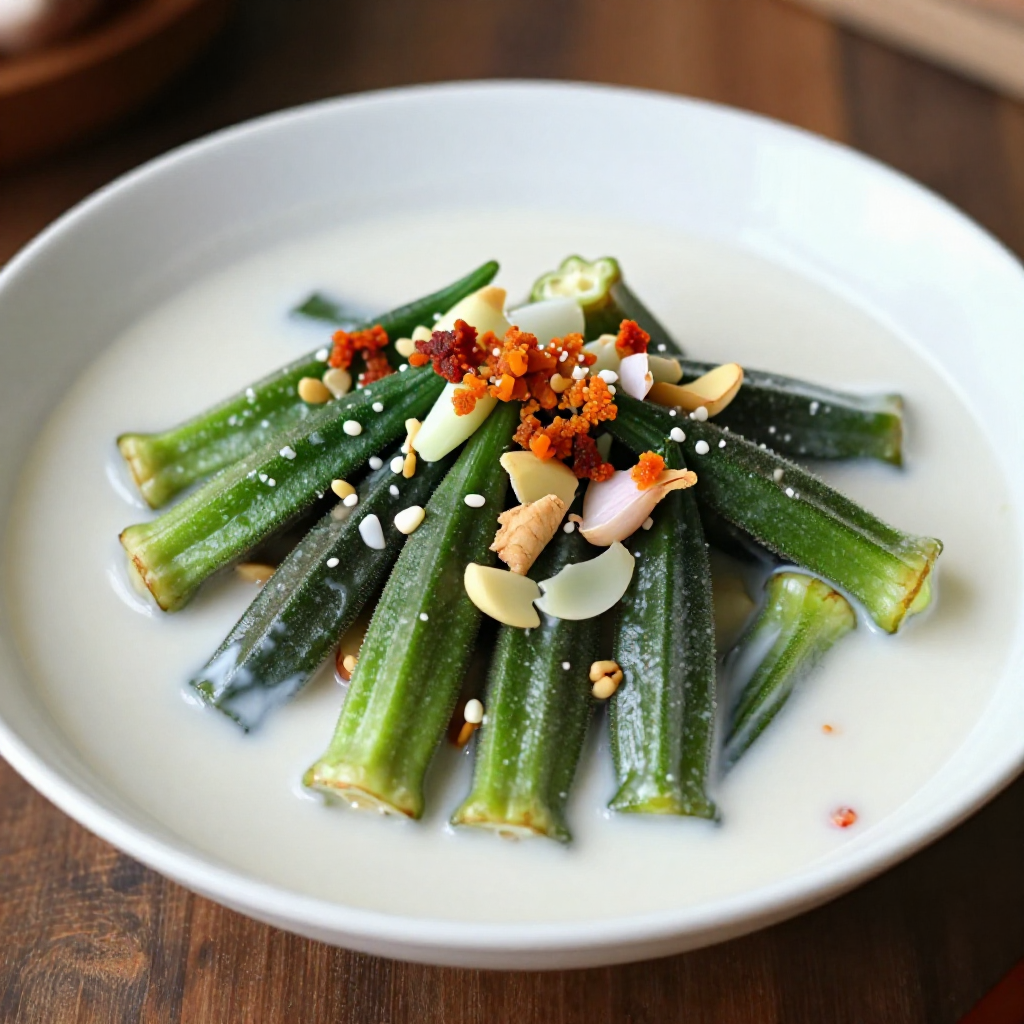
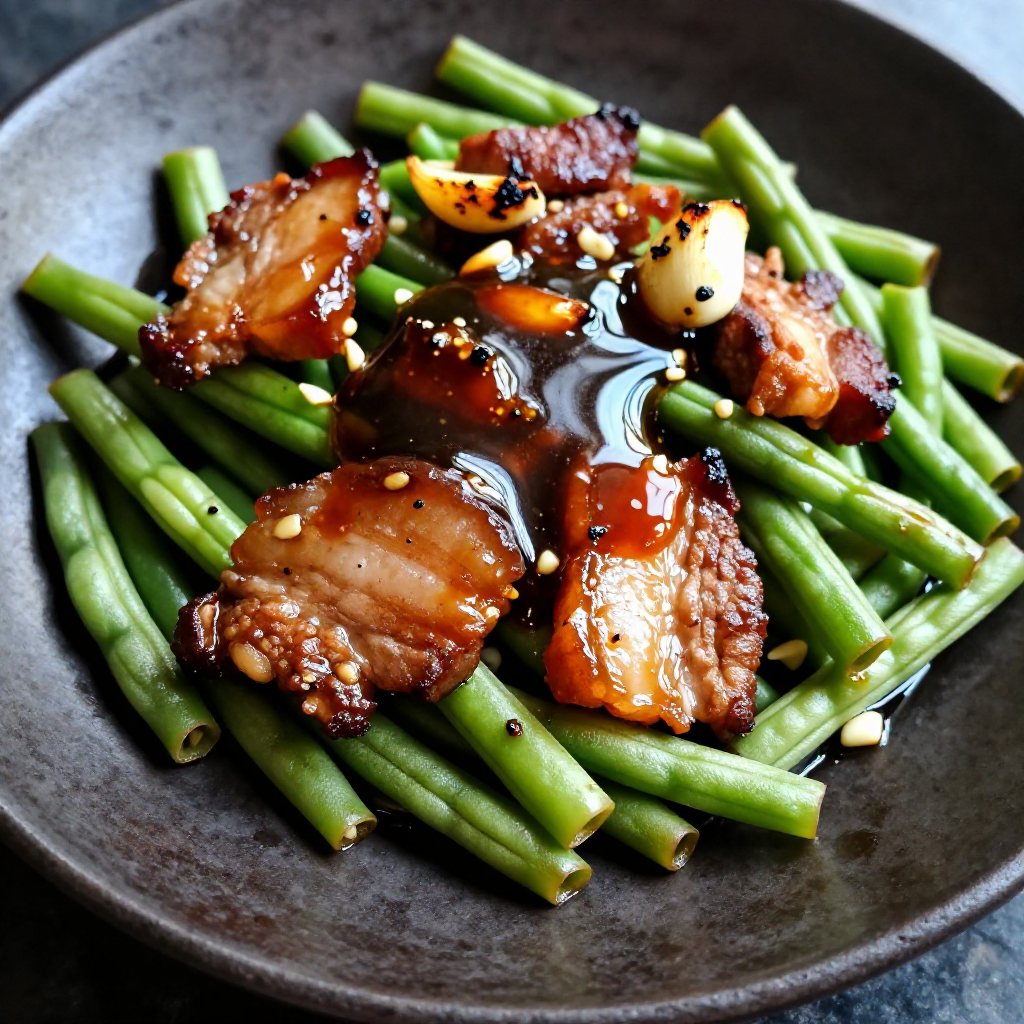
Tobik na Sitaw
A beloved Maranao dish from Mindanao where fresh okra (sitaw) is gently simmered in rich coconut milk with garlic, ginger, and a touch of shrimp paste for depth. 'Tobik' in the Maranao tradition refers to vegetables cooked in gata (coconut cream), and this version with okra is one of the most popular. The okra stays tender-crisp and the coconut sauce becomes silky and slightly sweet — a perfect accompaniment to spicy Maranao rice dishes.
Instructions
- Wash the okra thoroughly and trim the stems. Pat them completely dry with a clean cloth or paper towel — this is important because wet okra can make the coconut sauce separate. Cut them diagonally into 1-inch pieces.
- In a wide pan, heat a little oil over medium heat. Sauté the garlic until golden, then add the sliced onion and ginger. Stir-fry for 2 minutes until fragrant and softened.
- Add the shrimp paste (bagoong) and stir-fry for 30 seconds. The bagoong adds a deep, savory umami note that's essential to the Maranao flavor profile. Don't skip this step.
- Pour in the coconut cream and water. Stir well and bring to a gentle simmer over medium-low heat. Do not boil vigorously — gentle simmering keeps the coconut cream smooth and prevents curdling.
- Add the okra pieces and tomato slices. Cook for 8-10 minutes, stirring occasionally. The okra is done when it's bright green and tender but still holds its shape. Overcooking makes it slimy, so watch carefully.
- Season with salt and a pinch of sugar to round out the flavors. Taste and adjust — the sauce should be creamy and slightly savory with a hint of sweetness from the coconut. Serve warm with steamed rice, ideally alongside a spiced meat or fish dish.
Kitchen Tools We Recommend
Cook Tobik na Sitaw the easy way with the right tools. Shop our favorite kitchen essentials on Amazon — from reliable pots and pans to measuring tools that make Filipino cooking simpler.
🔥 Trending on Amazon right now — these products are selling fast. Check out what's climbing the charts.
As an Amazon Associate, I earn from qualifying purchases.
Pro Tips & Troubleshooting
- Pat the okra completely dry before cooking — excess moisture makes the coconut sauce watery and prevents proper thickening.
- Keep the heat at medium-low once the coconut cream is in. Hard boiling splits the fat from the cream, leaving a greasy, separated sauce.
- A small amount of bagoong goes a long way — start with half a teaspoon and adjust. Too much overwhelms the coconut flavor.
Cooking Tips
Add vegetables in stages — hard vegetables (carrots, potatoes) go in first, tender ones (leafy greens, beansprouts) at the very end.
Substitutions
Storage & Reheating
Reheat on the stovetop over medium-low heat, adding a splash of water or broth if the sauce has thickened during storage. Microwave in 30-second bursts, stirring between each.
Comments (0)
Leave a comment