Pro Tips
**Chef's Tips & Troubleshooting:**
- Sauté aromatics (garlic, onion) until fragrant before adding liquids — it builds a deeper flavor base.
- Filipino dishes are built on balance — taste your sauce before serving and add a pinch of sugar or a splash of vinegar if something feels off.
- Let meats rest after cooking so the juices redistribute for a more tender result.
Cooking Tips
Seafood cooks quickly — remove it from heat the moment it turns opaque and flakes easily with a fork. Overcooking makes it tough and rubbery. Pat shellfish dry before adding to the pan so they sear rather than steam. A hot, quick cook preserves their natural sweetness.
Ingredient Substitutions
Out of cane vinegar? White vinegar, apple cider vinegar, or rice vinegar all work — each brings its own subtle character. Avoid balsamic (too sweet) or distilled white (too harsh). Lemon or calamansi juice can replace vinegar in most marinades and braises. Add a pinch of sugar to balance the acidity. Short on time? A pressure cooker (Instant Pot) can reduce cooking time by roughly half for most braised and stewed Filipino dishes. Reduce liquid slightly since less evaporates.
Storage & Reheating
Store in an airtight container in the refrigerator for up to 3–4 days. The flavors often deepen overnight, making leftovers even more delicious. Seafood dishes are best consumed within 1–2 days. Reheat gently — microwave on low power or warm in a covered skillet over low heat to avoid overcooking. Do not refreeze thawed seafood dishes. Once reheated, consume immediately and do not re-refrigerate. Reheat on the stovetop over medium-low heat, adding a splash of water or broth if the sauce has thickened during storage. Microwave in 30-second bursts, stirring between each.
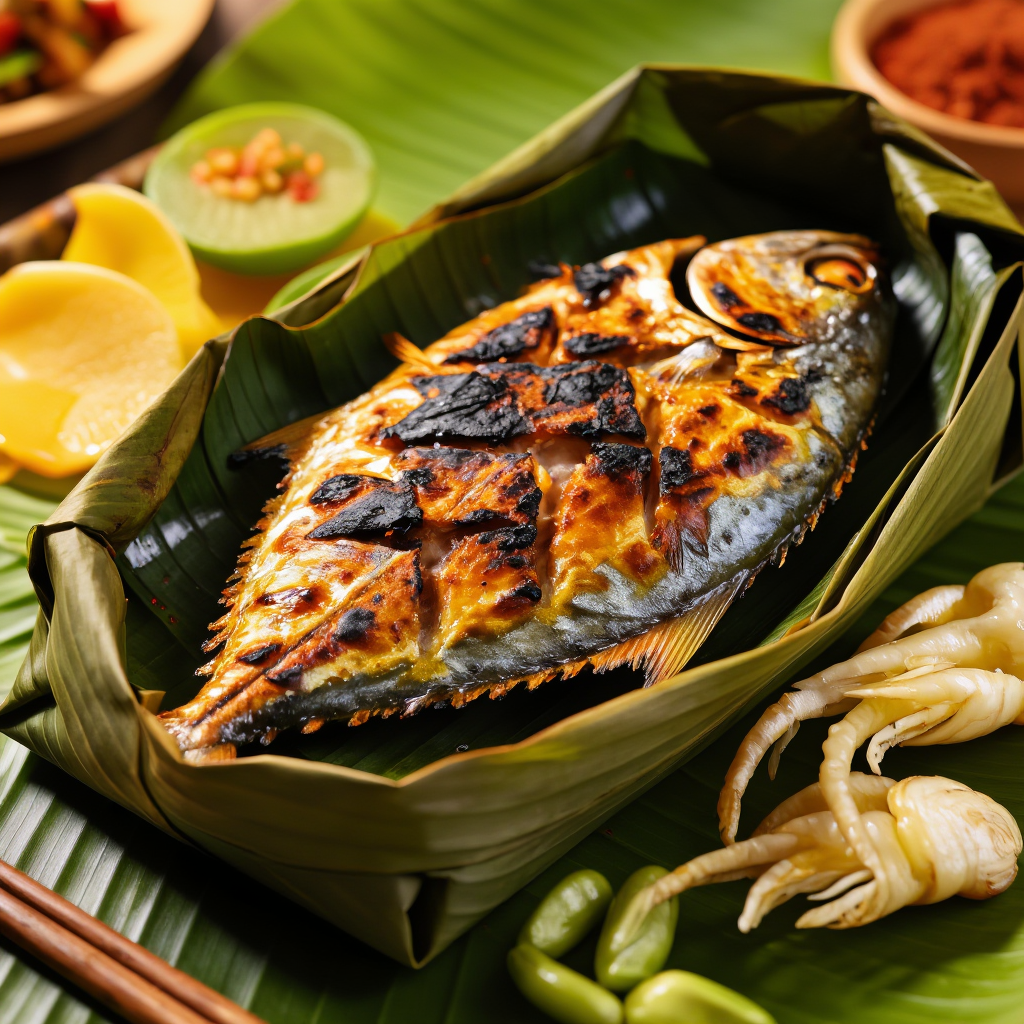
Sinaing na Tulingan
Sinaing na Tulingan takes a good few hours to make, but it is so worth the effort. This popular delicacy is cooked low and slow in a clay pot until tender and flavorful, perfect with piping-hot steamed rice. It's comfort food at its best!
Instructions
- Wipe banana leaves with a damp cloth to remove any dirt. Cut into about 2-inch thick strips.
- Clean the fish by removing the gills and innards. Make a slit in the center on both sides of the fish.
- Soak in a bowl of water for about 20 to 30 minutes to remove any blood. Rinse and Drain it well.
- Press the fish firmly with the palm of your hands to flatten.
- Generously rub fish with ½ cup rock salt. Wrap part of the body and head with banana leaf.
- In a clay pot, layer the bottom with banana leaves. Add pork belly and ½ cup dried kamias.
- Arrange fish in the pot, alternating positions.
- Add in 1 tablespoon rock salt, ½ cup dried kamias, and sukang irok.
- Add in enough water to cover fish. Cover with banana leaves.
- Cover with the palayok lid and bring up to a rolling boil.
- Lower heat and cook on low heat for about 4 to 5 hours or until flesh and bones are very tender, adding water in ½ cup increments if the liquid is drying out.
Kitchen Tools We Recommend
Cook Sinaing na Tulingan the easy way with the right tools. Shop our favorite kitchen essentials on Amazon — from reliable pots and pans to measuring tools that make Filipino cooking simpler.
🔥 Trending on Amazon right now — these products are selling fast. Check out what's climbing the charts.
As an Amazon Associate, I earn from qualifying purchases.
Pro Tips & Troubleshooting
- Sauté aromatics (garlic, onion) until fragrant before adding liquids — it builds a deeper flavor base.
- Filipino dishes are built on balance — taste your sauce before serving and add a pinch of sugar or a splash of vinegar if something feels off.
- Let meats rest after cooking so the juices redistribute for a more tender result.
Cooking Tips
Pat shellfish dry before adding to the pan so they sear rather than steam. A hot, quick cook preserves their natural sweetness.
Substitutions
Lemon or calamansi juice can replace vinegar in most marinades and braises. Add a pinch of sugar to balance the acidity.
Short on time? A pressure cooker (Instant Pot) can reduce cooking time by roughly half for most braised and stewed Filipino dishes. Reduce liquid slightly since less evaporates.
Storage & Reheating
Seafood dishes are best consumed within 1–2 days. Reheat gently — microwave on low power or warm in a covered skillet over low heat to avoid overcooking.
Do not refreeze thawed seafood dishes. Once reheated, consume immediately and do not re-refrigerate.
Reheat on the stovetop over medium-low heat, adding a splash of water or broth if the sauce has thickened during storage. Microwave in 30-second bursts, stirring between each.
Comments (0)
Leave a comment