Pro Tips
**Chef's Tips & Troubleshooting:**
- If a recipe calls for fresh produce, it matters — canned or frozen substitutes change the texture and brightness of the dish.
- Let meats rest after cooking so the juices redistribute for a more tender result.
- Filipino dishes are built on balance — taste your sauce before serving and add a pinch of sugar or a splash of vinegar if something feels off.
Cooking Tips
For maximum flavor, season the chicken at least 30 minutes before cooking — ideally overnight in the refrigerator. This allows the marinade to penetrate beyond the surface. Use a meat thermometer to check doneness: 165°F (74°C) at the thickest part of the breast, away from the bone.
Ingredient Substitutions
Chicken alternatives: Pork shoulder or boneless thigh meat can substitute for chicken in stews. For lighter fare, extra-firm tofu or seitan works in stir-fries and braises. Short on time? A pressure cooker (Instant Pot) can reduce cooking time by roughly half for most braised and stewed Filipino dishes. Reduce liquid slightly since less evaporates.
Storage & Reheating
Store in an airtight container in the refrigerator for up to 3–4 days. The flavors often deepen overnight, making leftovers even more delicious. Reheat on the stovetop over medium-low heat, adding a splash of water or broth if the sauce has thickened during storage. Microwave in 30-second bursts, stirring between each.
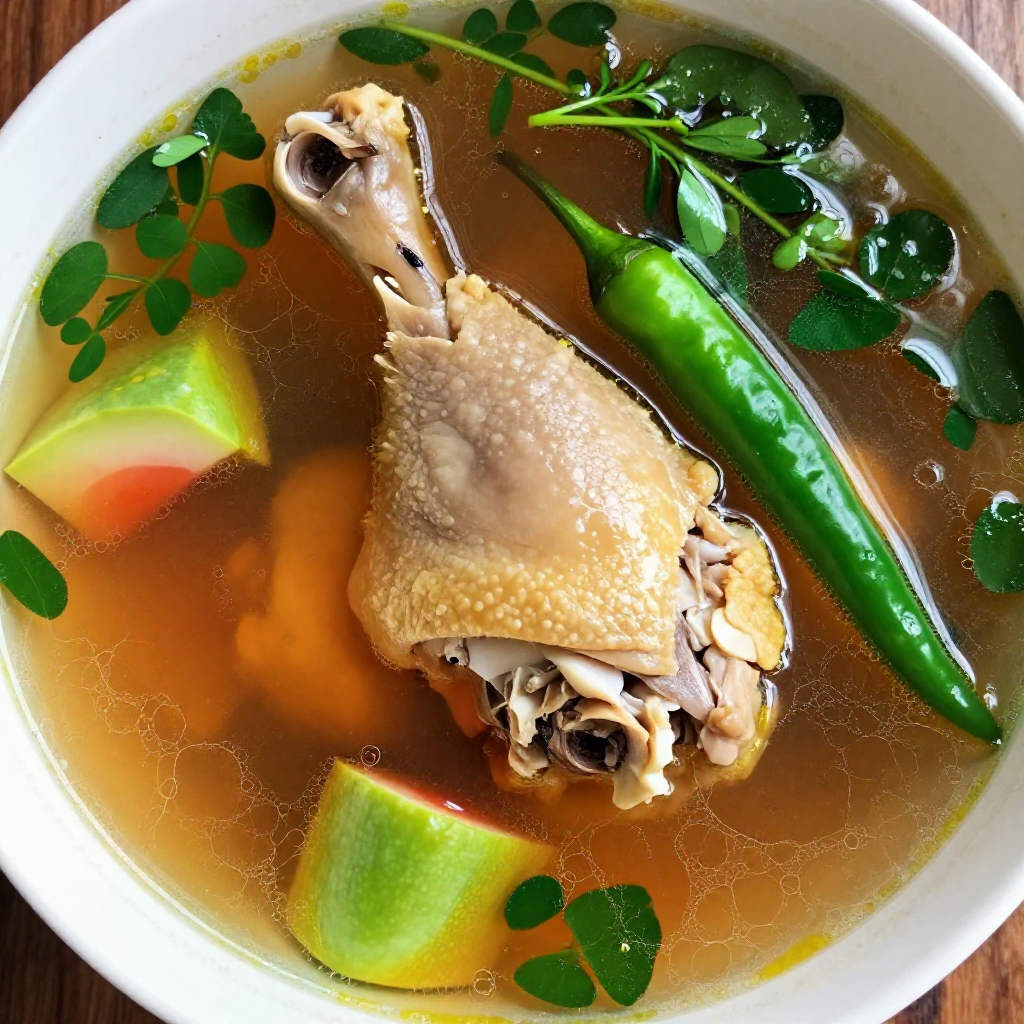
Sinabawang Manok
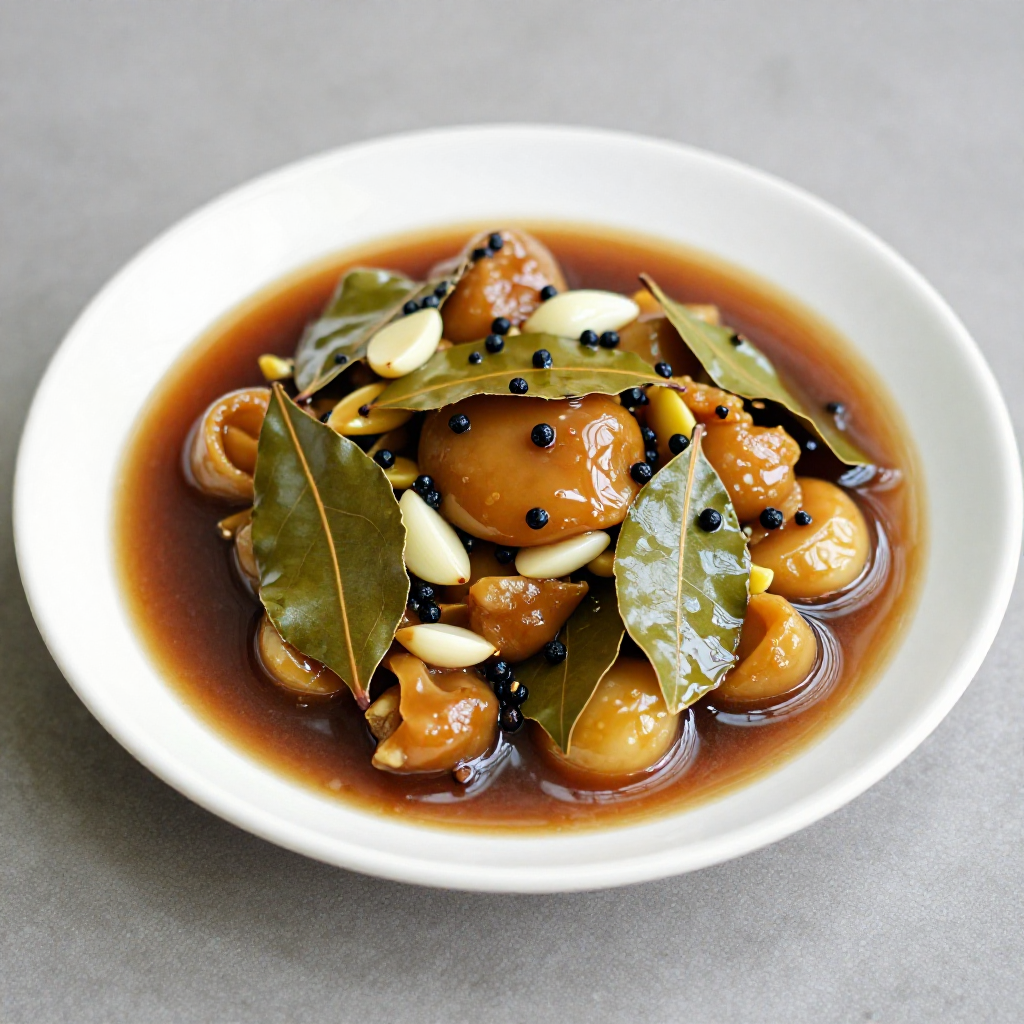
Sinabawang Manok — a Filipino chicken dish with local spices and herbs. A comforting meal passed down through generations.
Instructions
- Cook over medium heat the garlic until they soften and release their aroma.
- Incorporate shrimp paste and fry for 20 seconds until the aroma develops and the paste darkens.
- Add chicken pieces and brown them on each side, about 3-4 minutes.
- Mix in the chili paste (siling labuyo blended or crushed) and cook for 1 minute.
- Add chicken liver pieces and cook for 3 minutes until the liver is cooked through.
- Pour in a splash of fish sauce and water. Simmer for 5 minutes for the flavors to combine.
- Garnish it with sliced green onions and Serve it while it's hot with steamed rice.
Kitchen Tools We Recommend
Cook Sinabawang Manok the easy way with the right tools. Shop our favorite kitchen essentials on Amazon — from reliable pots and pans to measuring tools that make Filipino cooking simpler.
🔥 Trending on Amazon right now — these products are selling fast. Check out what's climbing the charts.
As an Amazon Associate, I earn from qualifying purchases.
Pro Tips & Troubleshooting
- If a recipe calls for fresh produce, it matters — canned or frozen substitutes change the texture and brightness of the dish.
- Let meats rest after cooking so the juices redistribute for a more tender result.
- Filipino dishes are built on balance — taste your sauce before serving and add a pinch of sugar or a splash of vinegar if something feels off.
Cooking Tips
Use a meat thermometer to check doneness: 165°F (74°C) at the thickest part of the breast, away from the bone.
Substitutions
Short on time? A pressure cooker (Instant Pot) can reduce cooking time by roughly half for most braised and stewed Filipino dishes. Reduce liquid slightly since less evaporates.
Storage & Reheating
Reheat on the stovetop over medium-low heat, adding a splash of water or broth if the sauce has thickened during storage. Microwave in 30-second bursts, stirring between each.
Comments (0)
Leave a comment