Pro Tips
**Chef's Tips & Troubleshooting:**
- Toast the ground rice or peanuts before adding them to the stew for deeper flavor.
- Grind peanuts or peanut butter with a little warm broth first to prevent lumps in the sauce.
- Let the stew rest for 10 minutes after cooking — the flavors deepen noticeably as it sits.
- Use a non-stick pan when cooking delicate white fish to prevent sticking and breaking.
Cooking Tips
Seafood cooks quickly — remove it from heat the moment it turns opaque and flakes easily with a fork. Overcooking makes it tough and rubbery. Pat shellfish dry before adding to the pan so they sear rather than steam. A hot, quick cook preserves their natural sweetness. In true Kapampangan style — the food capital of the Philippines — don't be shy with the seasoning. Pampanga cooking is known for its bold, confident flavors.
Ingredient Substitutions
Short on time? A pressure cooker (Instant Pot) can reduce cooking time by roughly half for most braised and stewed Filipino dishes. Reduce liquid slightly since less evaporates.
Storage & Reheating
Store in an airtight container in the refrigerator for up to 3–4 days. The flavors often deepen overnight, making leftovers even more delicious. Seafood dishes are best consumed within 1–2 days. Reheat gently — microwave on low power or warm in a covered skillet over low heat to avoid overcooking. Do not refreeze thawed seafood dishes. Once reheated, consume immediately and do not re-refrigerate. Reheat on the stovetop over medium-low heat, adding a splash of water or broth if the sauce has thickened during storage. Microwave in 30-second bursts, stirring between each.

Seafood Kare Kare
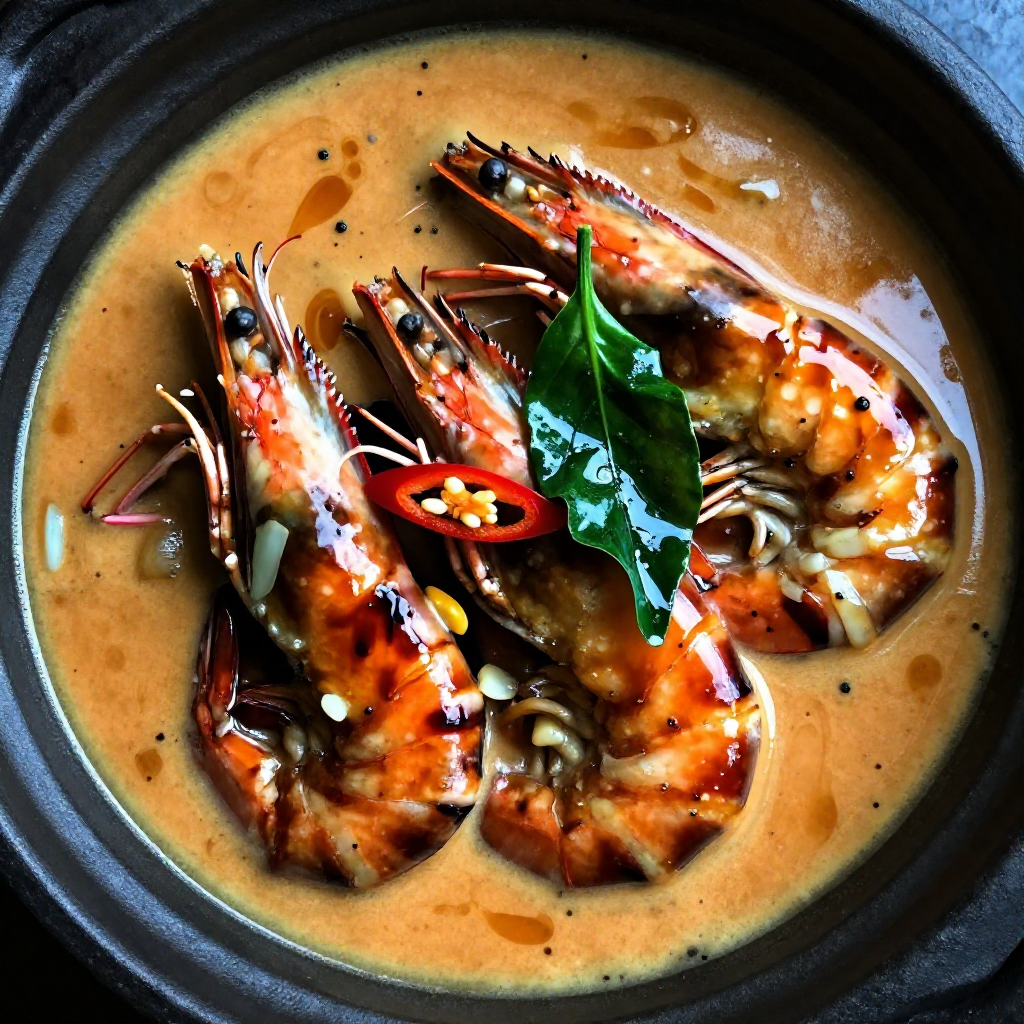
Seafood Kare Kare is a Filipino stew made with a rich, savory peanut sauce and a variety of seafood, such as shrimp, crab, and fish. This dish is typically served with vegetables and a side of bagoong (fermented shrimp paste) to balance the flavors.
Instructions
- Pour 5 cups of water in a cooking pot. Let boil. Blanch the string beans and banana heart by placing these in the pot with boiling water and cook it for 3 to 4 minutes. Remove the vegetables and put these on a bowl with cold water and ice. Let it stay in the bowl for 3 minutes. Remove from the bowl and set aside.
- Heat 3 tablespoons of cooking oil in a pan. Pan fry the shrimp in medium heat for 2 minutes per side.Remove the shrimp from the pan. Set aside.
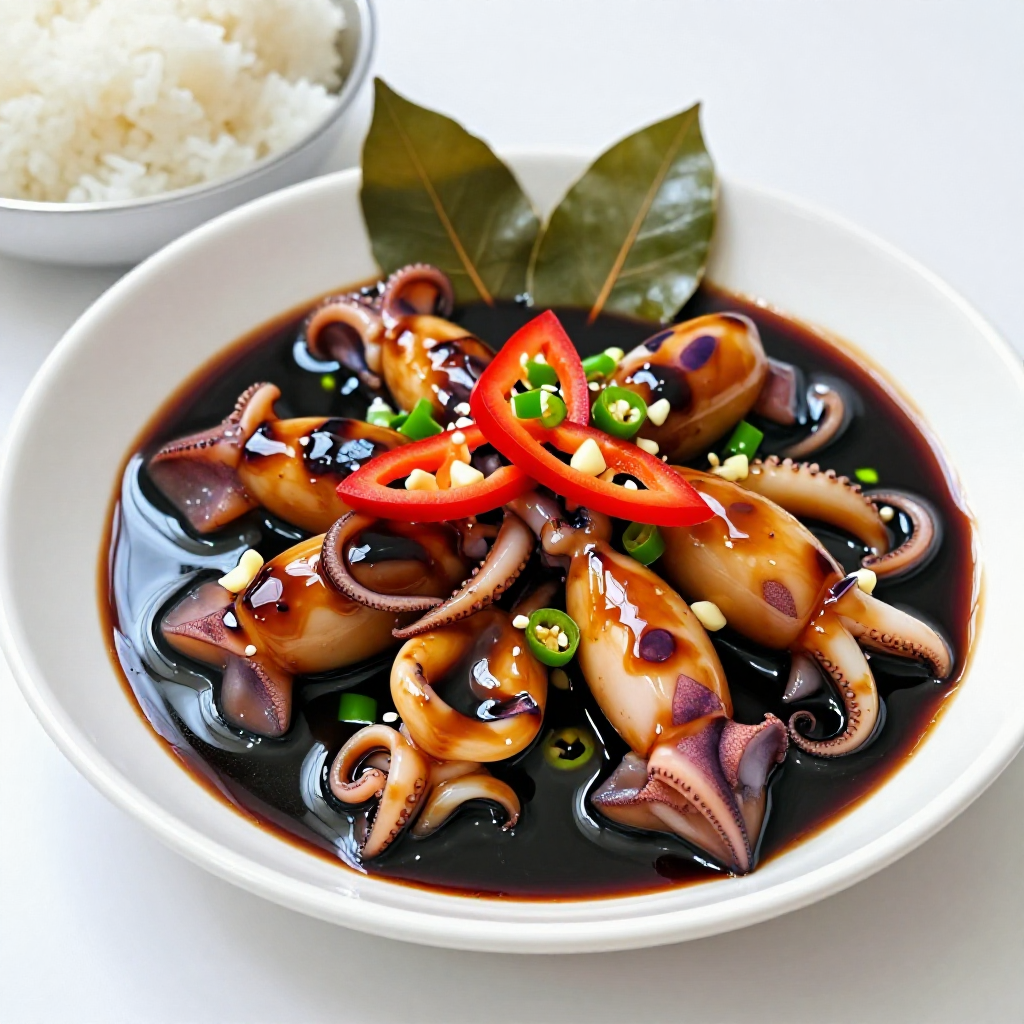
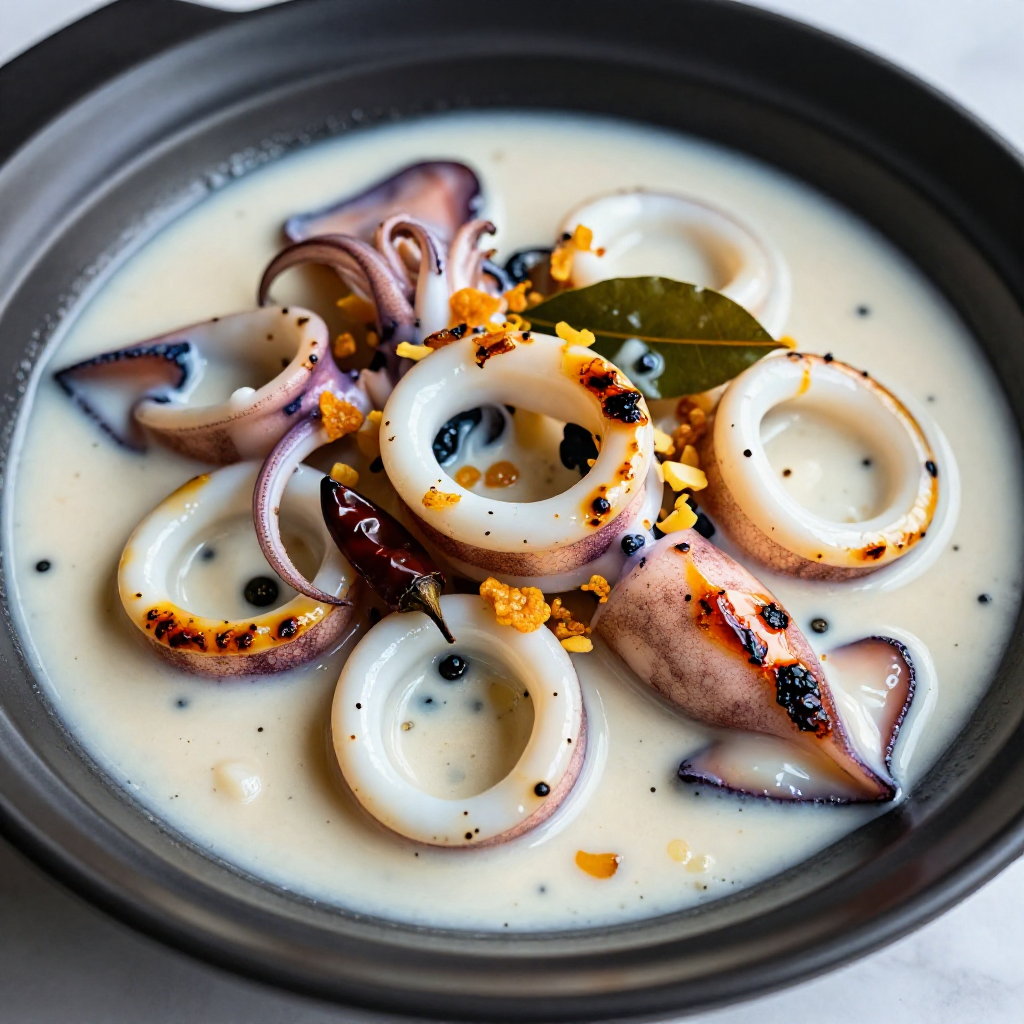
- On the same pan, pan fry the squid using the remaining oil for 2 minutes per side. Do not overcook the squid as it will get tough. Remove the squid from the pan and set it aside.
- Pan fry the steamed crabs on the same pan for 2 1/2 minutes per side. Add more oil if needed. Set aside.
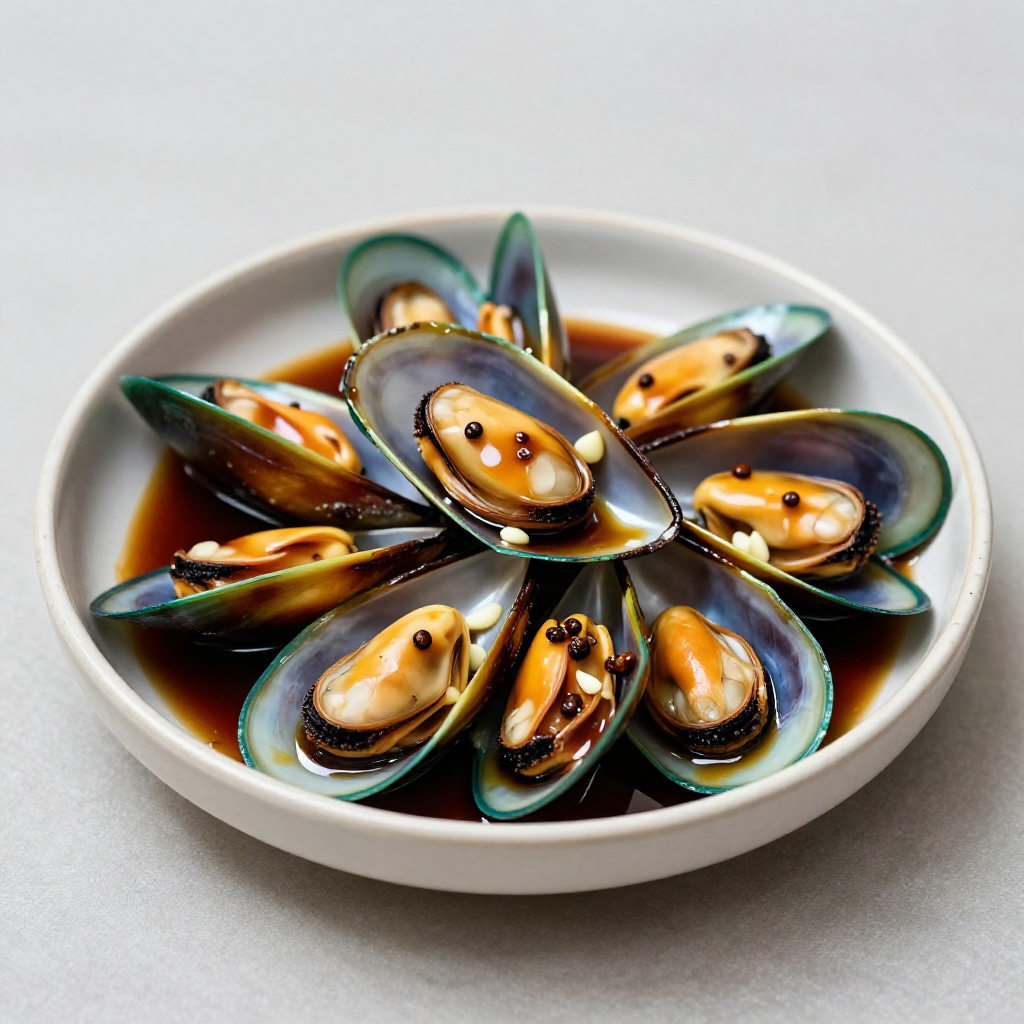
- Put the mussels on the same pan and pan fry or stir fry for 4 minutes total. Pour-in the water used to boil the mussels (or if you are using pre-cooked mussels, use the water in the package). Deglaze the pan by gently rubbing your spatula on the surface until bits of seafood are diluted in the liquid. Remove the mussels from the pan and then place the liquid on a separate bowl.
- Using a clay pot (palayok) or regular cooking pot, heat 3 tablespoons of cooking oil and then saute the garlic and onion.
- Once the onion turns soft, pour-in the coconut cream. Let boil.
- Add the liquid from the frying pan. Stir.
- Add the peanut butter. Stir and cook until it is completely diluted.
- Add the fish sauce (patis). Stir.
- Pour-in the annatto powder diluted in water. You may add more annatto powder to get your desired color. Cook for 2 to 5 minutes in medium heat while stirring.
- Top with shrimp paste and serve.
Kitchen Tools We Recommend
Cook Seafood Kare Kare the easy way with the right tools. Shop our favorite kitchen essentials on Amazon — from reliable pots and pans to measuring tools that make Filipino cooking simpler.
🔥 Trending on Amazon right now — these products are selling fast. Check out what's climbing the charts.
As an Amazon Associate, I earn from qualifying purchases.
Pro Tips & Troubleshooting
- Toast the ground rice or peanuts before adding them to the stew for deeper flavor.
- Grind peanuts or peanut butter with a little warm broth first to prevent lumps in the sauce.
- Let the stew rest for 10 minutes after cooking — the flavors deepen noticeably as it sits.
- Use a non-stick pan when cooking delicate white fish to prevent sticking and breaking.
Cooking Tips
Pat shellfish dry before adding to the pan so they sear rather than steam. A hot, quick cook preserves their natural sweetness.
In true Kapampangan style — the food capital of the Philippines — don't be shy with the seasoning. Pampanga cooking is known for its bold, confident flavors.
Substitutions
Storage & Reheating
Seafood dishes are best consumed within 1–2 days. Reheat gently — microwave on low power or warm in a covered skillet over low heat to avoid overcooking.
Do not refreeze thawed seafood dishes. Once reheated, consume immediately and do not re-refrigerate.
Reheat on the stovetop over medium-low heat, adding a splash of water or broth if the sauce has thickened during storage. Microwave in 30-second bursts, stirring between each.
Comments (0)
Leave a comment