Pro Tips
**Chef's Tips & Troubleshooting:**
- Preheat the oven fully before putting anything in — a cold oven gives dense, flat results.
- Bring butter and eggs to room temperature before creaming — they incorporate air better for a lighter texture.
- Measure flour by spooning it into the cup, not scooping directly — scooping packs it down and adds up to 25% more flour.
Cooking Tips
Let the dessert cool completely before slicing or serving — many Filipino sweets set and develop their best texture as they rest. Use fresh coconut milk (gata) when available rather than canned. The natural sweetness and rich consistency make a noticeable difference.
Ingredient Substitutions
Short on time? A pressure cooker (Instant Pot) can reduce cooking time by roughly half for most braised and stewed Filipino dishes. Reduce liquid slightly since less evaporates.
Storage & Reheating
Store in an airtight container in the refrigerator for up to 3–4 days. The flavors often deepen overnight, making leftovers even more delicious. Store desserts in a sealed container at room temperature for up to 2 days, or refrigerate for up to a week. Let chilled desserts come to room temperature before serving for the best texture and flavor. Reheat on the stovetop over medium-low heat, adding a splash of water or broth if the sauce has thickened during storage. Microwave in 30-second bursts, stirring between each.
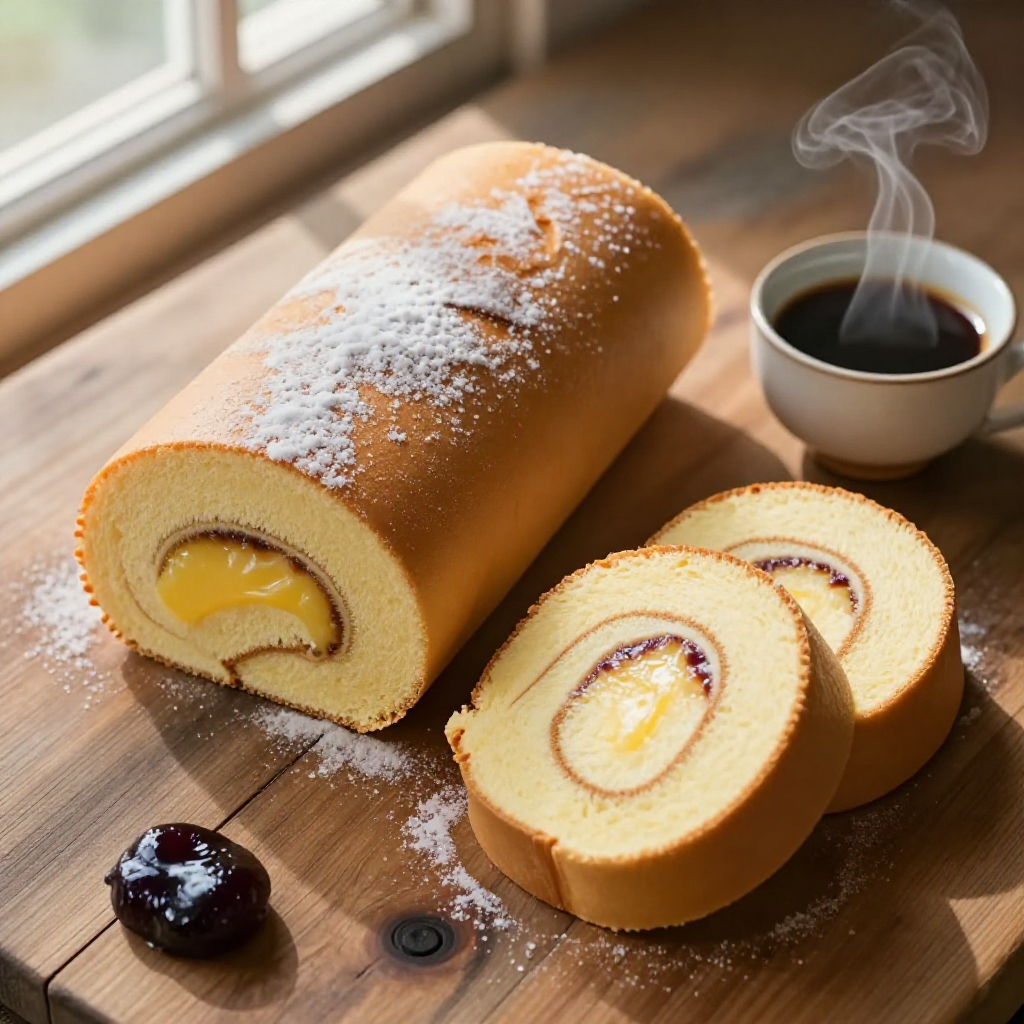
Pianono (Filipino Sponge Cake Roll)
Pianono with soft, pillowy sponge cake and sweetened margarine filling is the perfect accompaniment to coffee or tea. This Filipino-style jelly roll is delicious for breakfast or midday snacks!
Instructions
- Separate egg yolks from egg whites.
- In a big bowl, cream together the egg yolks, the remaining ¼ cup sugar, milk, and vanilla extract until it becomes light in texture and color.
- Sift the flour, cornstarch, and baking powder and add to the egg yolk mixture. Give it a good mix.
- In a bowl, beat the egg whites using a mixer at low speed for 1 minute or until frothy.
- Sprinkle the cream of tartar on top and continue beating until soft peaks form.
- Gradually add ¼ cup of the granulated sugar, a tablespoon at a time, while continuously beating. Once all sugar is added, turn up the speed to medium and continue beating the meringue until it forms stiff glossy peaks.
- Carefully fold in a third of the meringue into the egg mixture and then add the rest and fold until everything is mixed in.
- Pour the batter into a 15x10x1-inch pan lined with wax or parchment paper.
- Bake in a 375 F oven for about 15 minutes or until the cake is golden.
- Remove from the oven and loosen the edges of the cake. Transfer the cake including the wax paper to a rack and allow to cool.
- Dust a wax or parchment paper with powdered sugar and invert cake onto the paper. Gently peel the other wax paper off the cake.
- Beginning with the narrow side, roll the cake up together with the wax paper. Let it cool down completely, seam side down, for 10 to 15 minutes.
- Once the cake has cooled, gently unroll and spread the cake with softened margarine and sprinkle with granulated sugar.
- Beginning with the narrow side, re-roll the cake tightly. Cut into 1-inch thick slices to serve.
- Eggs are easier to separate when cold, but allow the egg whites to reach room temperature before whisking to create more volume.
- Use eggs that are fresh if possible, they might not create as much volume as older (3-5 day-old) eggs, but they make a more stable meringue.
- Make sure there is not a speck of grease, fat, or even a smear of yolk in the whites, which will prevent them from foaming properly.
- For best results, use clean, grease-free bowls and whisk attachments. Use glass or metal bowls, as plastic can have a greasy film that will keep the whites from whipping up to full volume.
- Avoid using high speed while whisking or beating the whites. As it incorporates more air and creates larger bubbles, it tends to deflate the meringue during or after baking.
Kitchen Tools We Recommend
Cook Pianono (Filipino Sponge Cake Roll) the easy way with the right tools. Shop our favorite kitchen essentials on Amazon — from reliable pots and pans to measuring tools that make Filipino cooking simpler.
🔥 Trending on Amazon right now — these products are selling fast. Check out what's climbing the charts.
As an Amazon Associate, I earn from qualifying purchases.
Pro Tips & Troubleshooting
- Preheat the oven fully before putting anything in — a cold oven gives dense, flat results.
- Bring butter and eggs to room temperature before creaming — they incorporate air better for a lighter texture.
- Measure flour by spooning it into the cup, not scooping directly — scooping packs it down and adds up to 25% more flour.
Cooking Tips
Use fresh coconut milk (gata) when available rather than canned. The natural sweetness and rich consistency make a noticeable difference.
Substitutions
Storage & Reheating
Store desserts in a sealed container at room temperature for up to 2 days, or refrigerate for up to a week. Let chilled desserts come to room temperature before serving for the best texture and flavor.
Reheat on the stovetop over medium-low heat, adding a splash of water or broth if the sauce has thickened during storage. Microwave in 30-second bursts, stirring between each.
Comments (0)
Leave a comment