Pro Tips
**Chef's Tips & Troubleshooting:**
The double-cooking method defines kinunot: marinate the flaked fish in vinegar, then simmer it in coconut cream. The vinegar marinade firms the fish and removes any fishy smell. Don't skip this step.
Flake the fish while warm — it comes apart cleanly into large, even pieces. Cold fish flakes into tiny, uneven bits that look less appealing and cook unevenly in the sauce.
Use the thickest coconut cream you can find for the final sauce. Thin coconut milk makes a watery sauce that doesn't cling to the fish. If using canned, use the thick cream from the top of the can.
Cooking Tips
Seafood cooks quickly — remove it from heat the moment it turns opaque and flakes easily with a fork. Overcooking makes it tough and rubbery. Pat shellfish dry before adding to the pan so they sear rather than steam. A hot, quick cook preserves their natural sweetness. Bicolanos love their heat — feel free to add extra siling labuyo (bird's eye chili) if you want a more authentic kick. The coconut milk (gata) will balance the spice beautifully.
Ingredient Substitutions
No coconut milk? For a richer alternative, blend canned coconut cream with water (1:1). For a lighter option, use evaporated milk with a splash of coconut extract. In a pinch, heavy cream or full-fat milk can replace coconut milk — the texture will be similar though the flavor profile changes. Short on time? A pressure cooker (Instant Pot) can reduce cooking time by roughly half for most braised and stewed Filipino dishes. Reduce liquid slightly since less evaporates.
Storage & Reheating
Store in an airtight container in the refrigerator for up to 3–4 days. The flavors often deepen overnight, making leftovers even more delicious. Seafood dishes are best consumed within 1–2 days. Reheat gently — microwave on low power or warm in a covered skillet over low heat to avoid overcooking. Do not refreeze thawed seafood dishes. Once reheated, consume immediately and do not re-refrigerate. Reheat on the stovetop over medium-low heat, adding a splash of water or broth if the sauce has thickened during storage. Microwave in 30-second bursts, stirring between each.
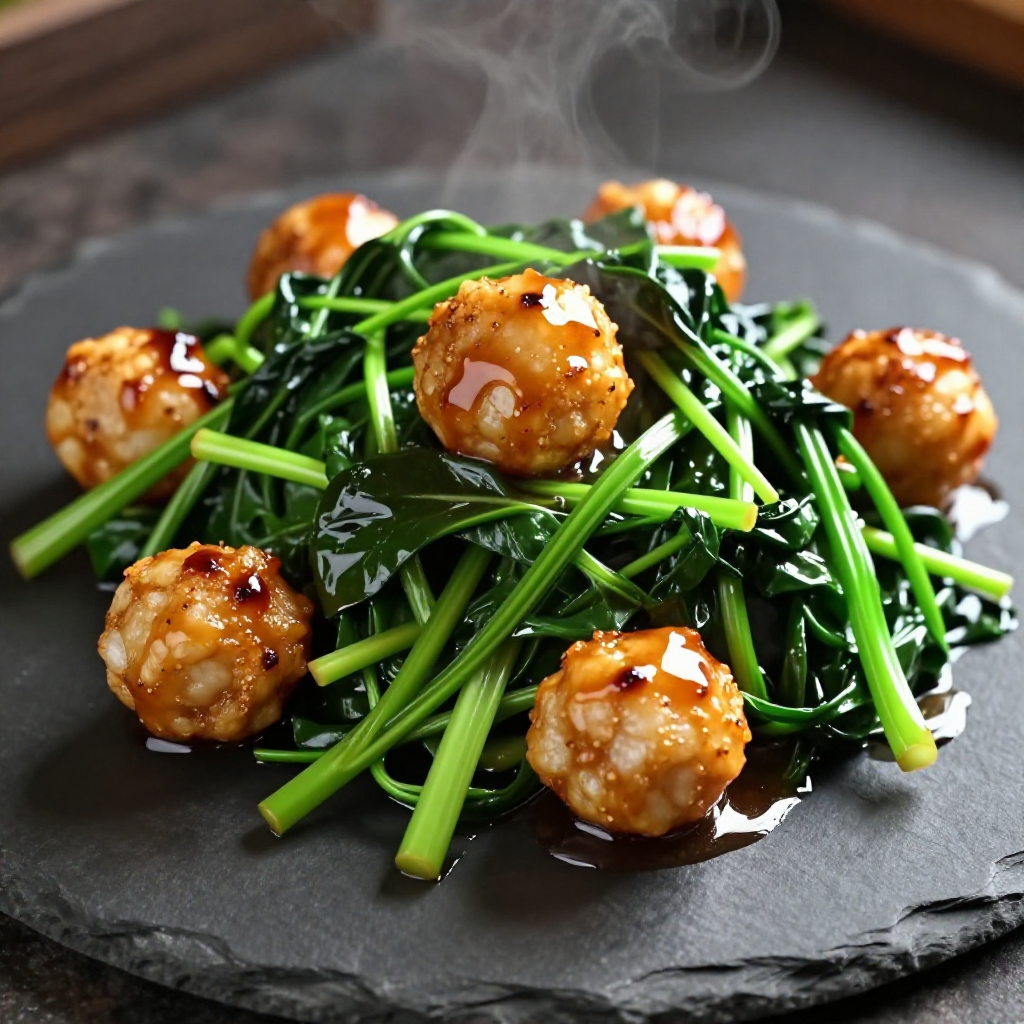
Kinunot
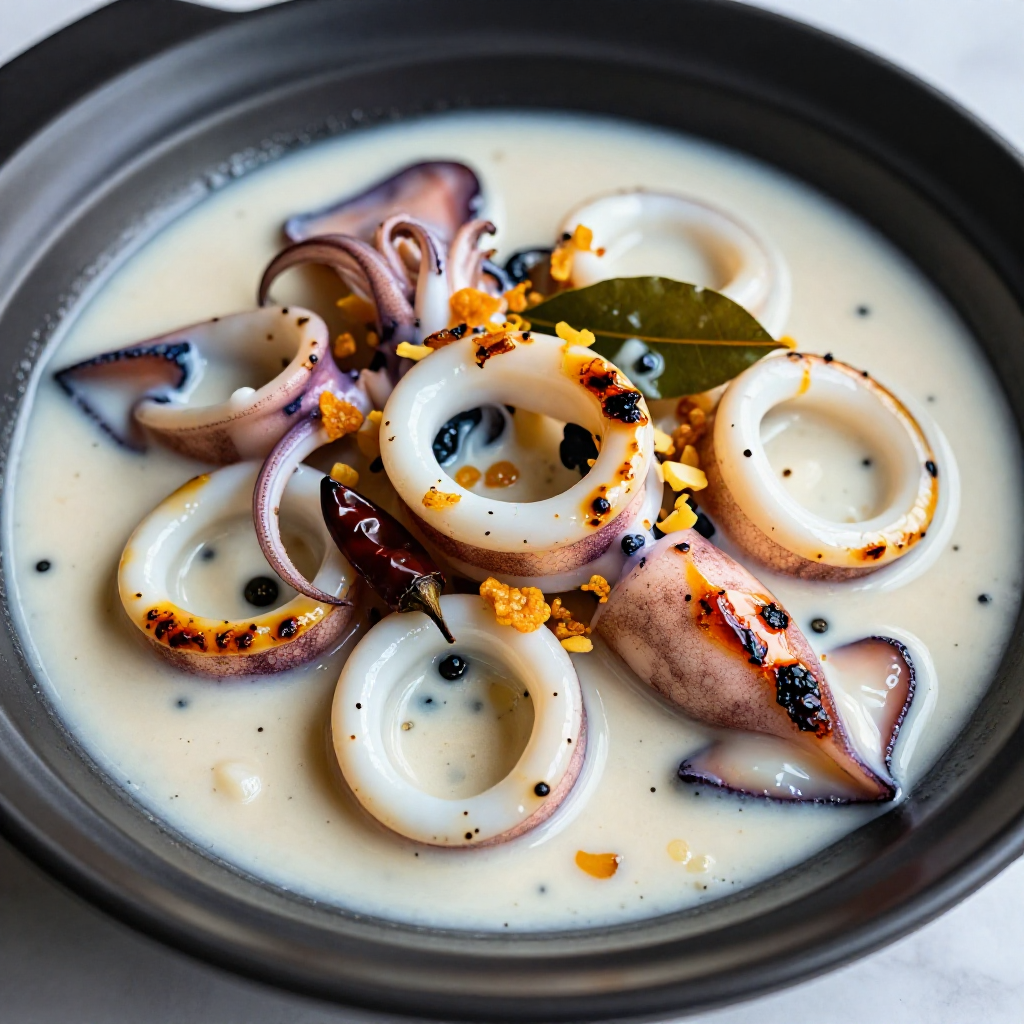
A classic Bicolano dish of flaked fish simmered in a spicy, rich coconut sauce with malunggay leaves and chilies. Traditionally made with stingray, the fish is boiled, flaked by hand, and then tossed in the thick, creamy, fiery coconut broth.
Instructions
- In a pot, bring water to a boil with the ginger slices and salt. Add the fish chunks and cook for about 10 minutes until the fish is done. Drain and set aside to cool.
- Once the fish is cool enough to handle, flake it into strips using your fingers or a fork. Set the flaked fish aside — this gives the dish its signature texture.
- In a bowl, toss the flaked fish with vinegar and black pepper. Let it marinate for about 30 minutes, then drain using a colander.
- In a wok or wide pan, heat the oil over medium heat. Sauté the garlic and onion until golden and fragrant.
- Pour in the coconut milk and add the finely chopped siling labuyo. Bring to a boil, then simmer for about 10 minutes until the coconut milk reduces and starts rendering oil — you'll see the surface get glossy and oily.
- Add the flaked fish and malunggay leaves. Cook over medium heat for 5-10 minutes until the liquid almost dries up and the fish absorbs the sauce.
- Stir in the thick coconut cream and whole siling haba. Season with fish sauce and simmer on low for 5 more minutes until everything is thick, creamy, and nicely coated.
- Taste and adjust — it should be rich, creamy, and spicy. Serve hot with steamed rice.
Kitchen Tools We Recommend
Cook Kinunot the easy way with the right tools. Shop our favorite kitchen essentials on Amazon — from reliable pots and pans to measuring tools that make Filipino cooking simpler.
🔥 Trending on Amazon right now — these products are selling fast. Check out what's climbing the charts.
As an Amazon Associate, I earn from qualifying purchases.
Pro Tips & Troubleshooting
The double-cooking method defines kinunot: marinate the flaked fish in vinegar, then simmer it in coconut cream. The vinegar marinade firms the fish and removes any fishy smell. Don't skip this step.
Flake the fish while warm — it comes apart cleanly into large, even pieces. Cold fish flakes into tiny, uneven bits that look less appealing and cook unevenly in the sauce.
Use the thickest coconut cream you can find for the final sauce. Thin coconut milk makes a watery sauce that doesn't cling to the fish. If using canned, use the thick cream from the top of the can.
Cooking Tips
Pat shellfish dry before adding to the pan so they sear rather than steam. A hot, quick cook preserves their natural sweetness.
Bicolanos love their heat — feel free to add extra siling labuyo (bird's eye chili) if you want a more authentic kick. The coconut milk (gata) will balance the spice beautifully.
Substitutions
In a pinch, heavy cream or full-fat milk can replace coconut milk — the texture will be similar though the flavor profile changes.
Short on time? A pressure cooker (Instant Pot) can reduce cooking time by roughly half for most braised and stewed Filipino dishes. Reduce liquid slightly since less evaporates.
Storage & Reheating
Seafood dishes are best consumed within 1–2 days. Reheat gently — microwave on low power or warm in a covered skillet over low heat to avoid overcooking.
Do not refreeze thawed seafood dishes. Once reheated, consume immediately and do not re-refrigerate.
Reheat on the stovetop over medium-low heat, adding a splash of water or broth if the sauce has thickened during storage. Microwave in 30-second bursts, stirring between each.
Comments (0)
Leave a comment