Pro Tips
Pat the meat dry before browning. Let tough cuts cook slowly for best results.
Cooking Tips
For the most tender results, cook low and slow — a gentle simmer (not a vigorous boil) breaks down connective tissue without drying out the meat. Taste and adjust seasoning toward the end of cooking. As liquids reduce, flavors concentrate, so what tastes balanced early may become too salty later. Check liquid levels halfway through cooking and add hot water or broth if needed. Long-cooked dishes can dry out or burn if left unattended.
Ingredient Substitutions
No soy sauce? Use tamari (gluten-free), coconut aminos (paleo-friendly), or a mix of fish sauce and water for a different but delicious umami profile. For a low-sodium version, use light soy sauce or dilute regular soy sauce with a splash of water or broth. Beef alternatives: For stews, pork shoulder or oxtail provide similar richness. For steaks, try portobello mushrooms or cauliflower steaks for a vegetarian twist. Short on time? A pressure cooker (Instant Pot) can reduce cooking time by roughly half for most braised and stewed Filipino dishes. Reduce liquid slightly since less evaporates.
Storage & Reheating
Store in an airtight container in the refrigerator for up to 3–4 days. The flavors often deepen overnight, making leftovers even more delicious. Reheat on the stovetop over medium-low heat, adding a splash of water or broth if the sauce has thickened during storage. Microwave in 30-second bursts, stirring between each.
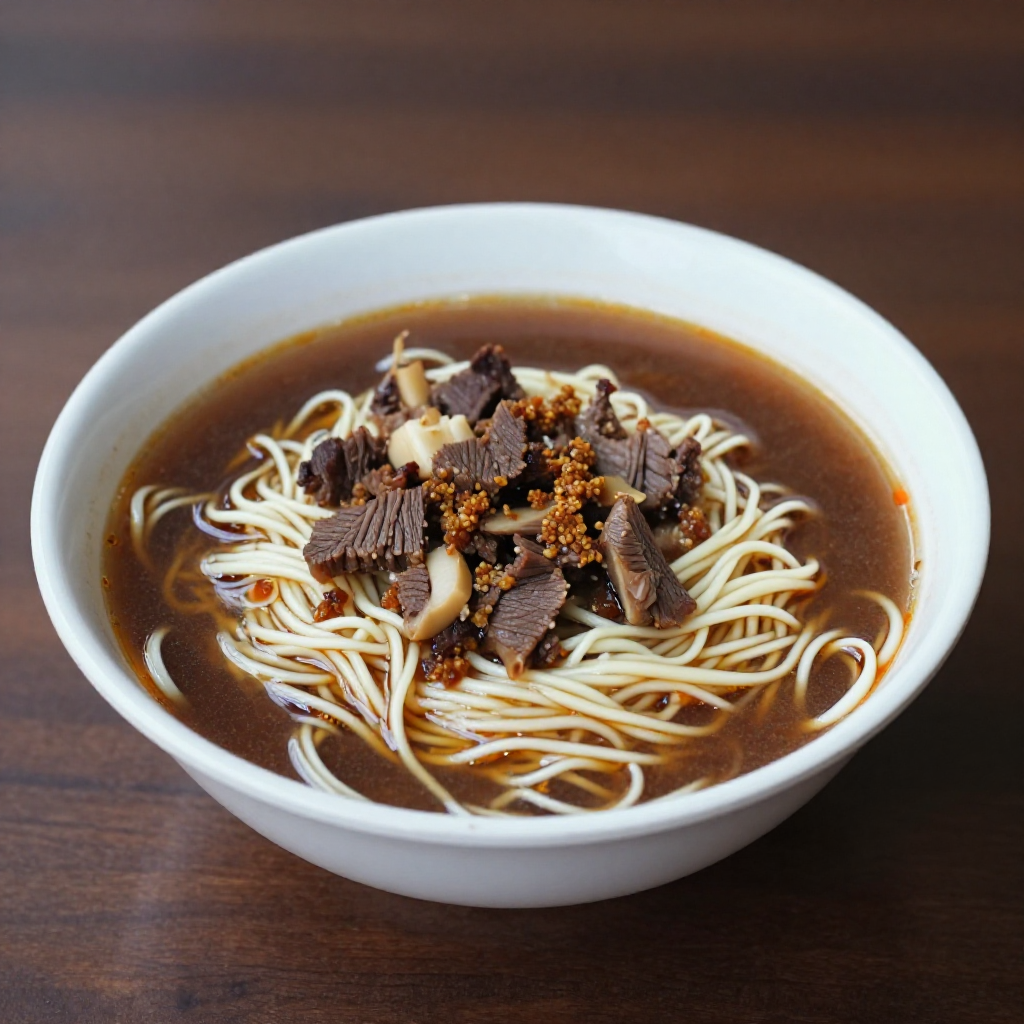
Kinalas
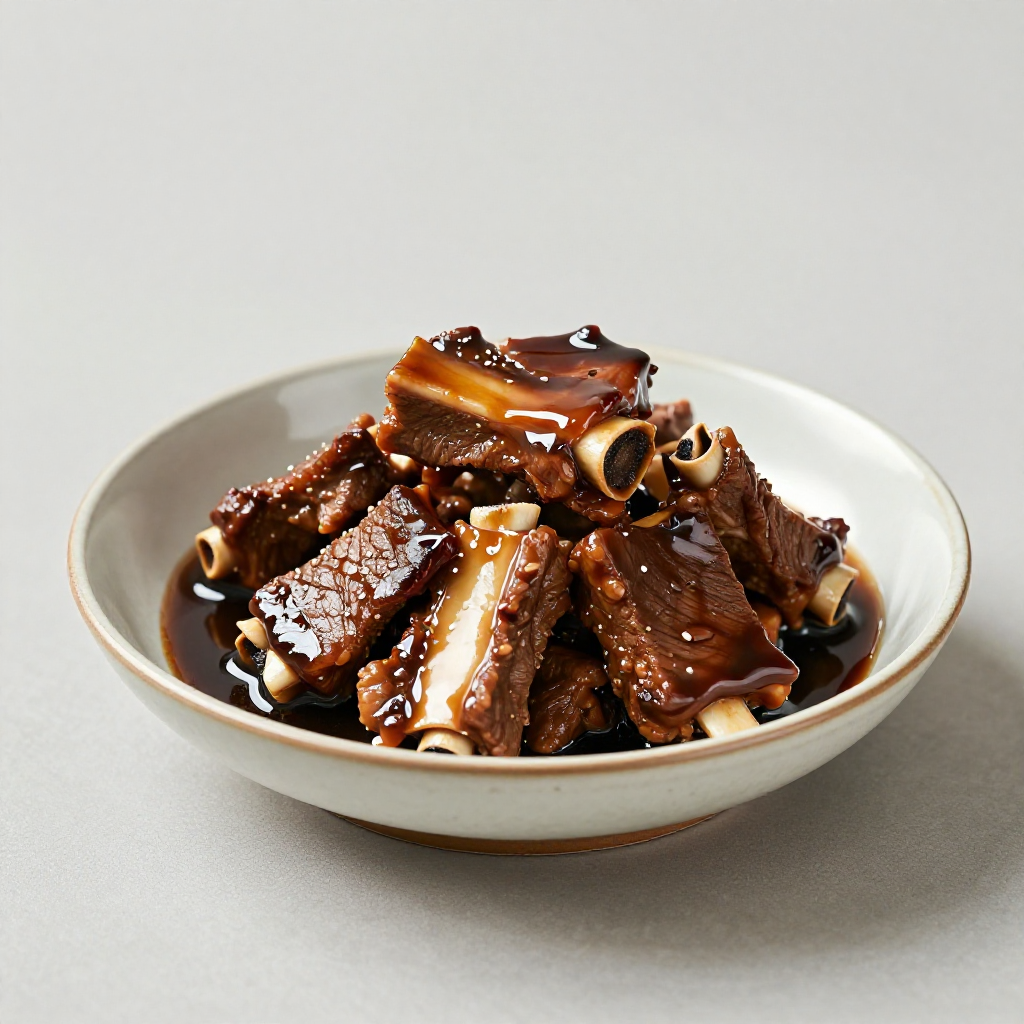
Naga City's signature noodle soup, Kinalas is a hearty, deeply savory dish that's a favorite on cold, rainy days. The name comes from the Ilokano word meaning 'scraped' — referring to how tender the beef becomes that it just falls off the bone. Served over a mountain of noodles and smothered in a rich brown sauce, it's the kind of comfort food that brings families together.
Instructions
- Place the beef shank in a large stockpot and cover with water. Add the bay leaves and whole peppercorns. Bring to a boil, then immediately reduce to a low simmer. Skim off any scum that forms on the surface.
- Let the beef simmer gently for 2-2.5 hours, partially covered, until the meat is so tender it practically falls off the bone. This is the most important step — don't rush it. The collagen from the bones and connective tissue is what gives the broth its rich, gelatinous body.
- Remove the beef from the pot and strain the broth through a fine sieve. Discard the bay leaves and peppercorns. Let the beef cool enough to handle, then scrape all the meat off the bone using two forks. Shred it into bite-sized pieces. Reserve any juices.
- Make the signature brown sauce: In a small pan, dry-toast the flour over medium heat for 3-4 minutes until it turns golden brown and smells nutty. This is key — don't skip the toasting, as it's what gives the sauce its deep color and flavor. Slowly whisk in 500ml of the reserved broth until smooth and thick. Stir in the soy sauce and fish sauce. Season with a bit more salt if needed.
- Cook the egg noodles according to package directions. Drain and divide among serving bowls.
- Top the noodles with generous portions of shredded beef. Ladle hot broth over everything. Spoon the thick brown sauce on top — it should pool around the meat, not fully mix in. Garnish with hard-boiled egg halves, spring onions, and a generous sprinkle of fried garlic. Serve immediately with calamansi on the side.
Kitchen Tools We Recommend
Cook Kinalas the easy way with the right tools. Shop our favorite kitchen essentials on Amazon — from reliable pots and pans to measuring tools that make Filipino cooking simpler.
🔥 Trending on Amazon right now — these products are selling fast. Check out what's climbing the charts.
As an Amazon Associate, I earn from qualifying purchases.
Pro Tips & Troubleshooting
Cooking Tips
Taste and adjust seasoning toward the end of cooking. As liquids reduce, flavors concentrate, so what tastes balanced early may become too salty later.
Check liquid levels halfway through cooking and add hot water or broth if needed. Long-cooked dishes can dry out or burn if left unattended.
Substitutions
For a low-sodium version, use light soy sauce or dilute regular soy sauce with a splash of water or broth.
Beef alternatives: For stews, pork shoulder or oxtail provide similar richness. For steaks, try portobello mushrooms or cauliflower steaks for a vegetarian twist.
Short on time? A pressure cooker (Instant Pot) can reduce cooking time by roughly half for most braised and stewed Filipino dishes. Reduce liquid slightly since less evaporates.
Storage & Reheating
Reheat on the stovetop over medium-low heat, adding a splash of water or broth if the sauce has thickened during storage. Microwave in 30-second bursts, stirring between each.
Comments (0)
Leave a comment