Pro Tips
**Chef's Tips & Troubleshooting:**
- Some regions add kangkong (water spinach) only at the very end, just until wilted.
- If your tamarind isn't sour enough, a squeeze of calamansi at the end brightens the flavor without altering the base.
- For a richer broth, use pork bones or add a piece of pork hock to the stock.
Cooking Tips
Skim off any scum or impurities that rise to the surface during the first boil — this keeps the broth clear and clean-tasting. For the richest flavor, start with cold water and bring to a gentle simmer rather than a rolling boil. This extracts more depth from the meat and bones.
Ingredient Substitutions
Out of cane vinegar? White vinegar, apple cider vinegar, or rice vinegar all work — each brings its own subtle character. Avoid balsamic (too sweet) or distilled white (too harsh). Lemon or calamansi juice can replace vinegar in most marinades and braises. Add a pinch of sugar to balance the acidity. No fish sauce (patis)? Soy sauce or Worcestershire sauce are decent substitutes in cooked dishes. For a closer match, try anchovy paste dissolved in water. Beef alternatives: For stews, pork shoulder or oxtail provide similar richness. For steaks, try portobello mushrooms or cauliflower steaks for a vegetarian twist. Short on time? A pressure cooker (Instant Pot) can reduce cooking time by roughly half for most braised and stewed Filipino dishes. Reduce liquid slightly since less evaporates.
Storage & Reheating
Store in an airtight container in the refrigerator for up to 3–4 days. The flavors often deepen overnight, making leftovers even more delicious. This dish freezes exceptionally well — portion into freezer-safe containers and store for up to 3 months. Thaw overnight in the refrigerator before reheating. When reheating frozen portions, add a splash of water or broth to restore the original consistency, as some liquid is absorbed during storage. For soup/stew dishes, reheat on the stovetop over medium-low heat rather than the microwave. Gentle stovetop reheating preserves the texture of vegetables and meat.
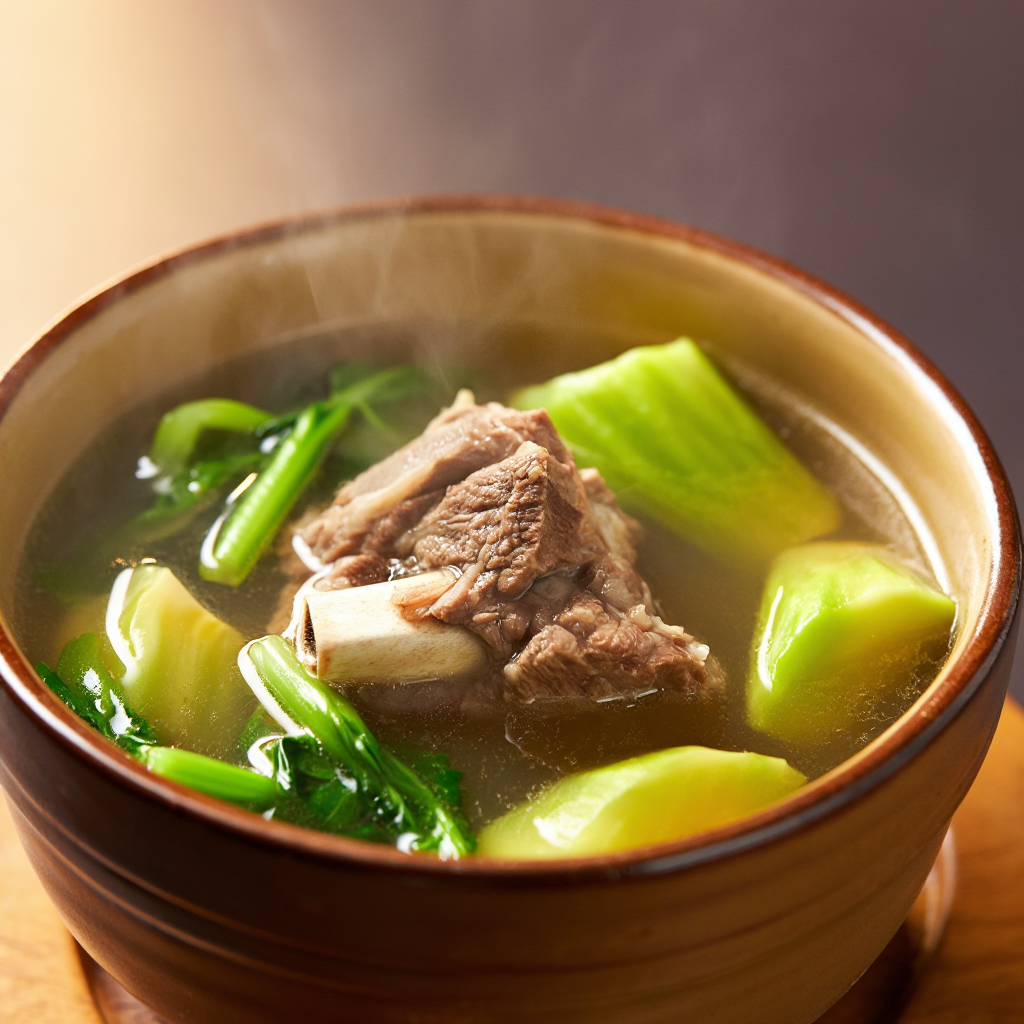
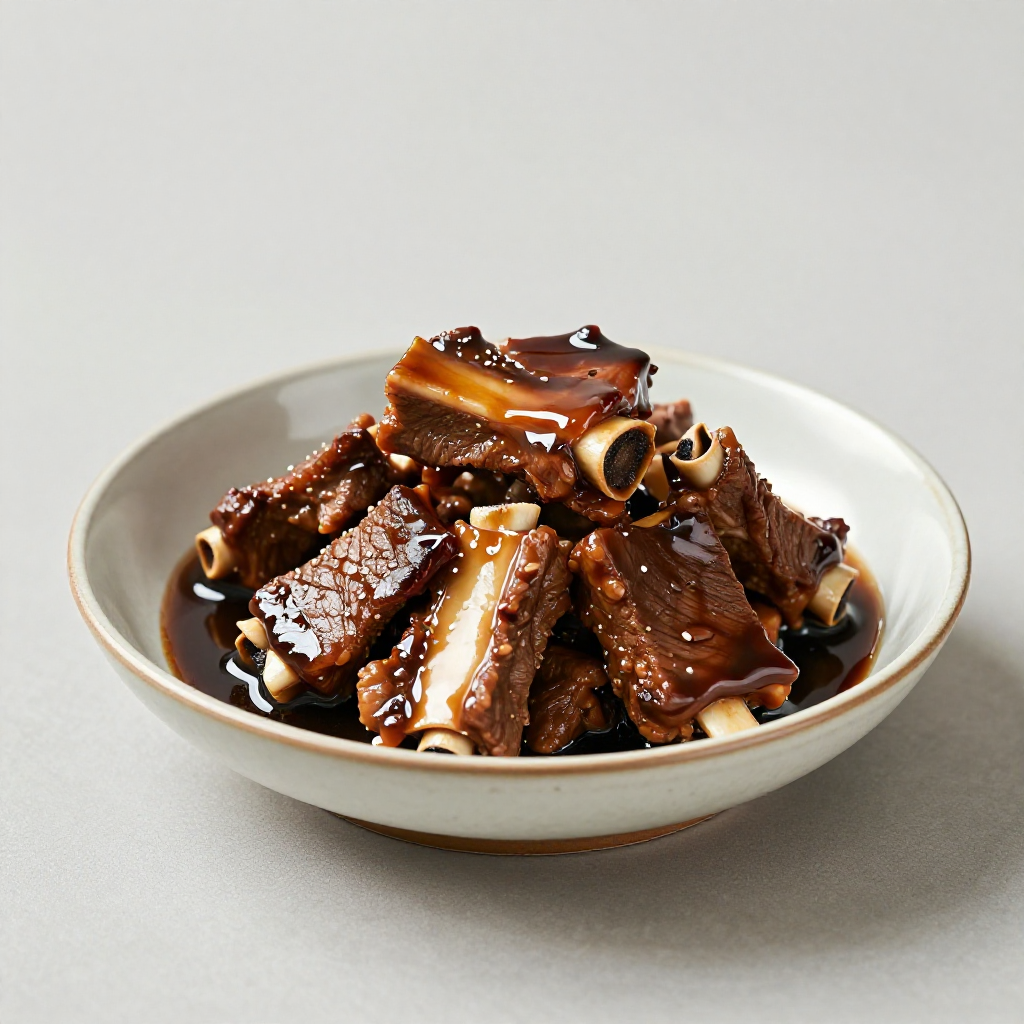
Kansi (Sinigang na Bulalo)
Warm up your belly with a comforting bowl of Kansi! This Ilonggo sour soup with beef shanks and green jackfruit is filling and delicious. Perfect for chilly weather!
Instructions
- Rinse beef shanks well to remove any blood or impurities. Drain it well.
- Peel the outer layer of the lemongrass stalks until you reach the pale central core. Cut into 3 to 4-inch lengths and with the back of the knife, lightly pound each piece. Set it aside.
- In a deep pot on medium heat, heat oil. Add beef shanks and cook, turning as needed, until lightly seared.
- Mix in garlic and cook, stirring often, until softened.
- Add water and Bring it to a boil. skimming off foam that floats on top. When the broth clears, add onion.
- Turn down the heat and cover it, and let it simmer gently for about 1 ½ to 2 hours or until meat is fork-tender.
- Mix annatto powder with ½ cup of the broth. Stir until annatto powder is dissolved and return broth to the pot.
- Add tamarind soup base. Stir to disperse.
- Mix in lemongrass, green jackfruit, kamias, and chili peppers. Keep cooking for about 10 to 15 minutes or until jackfruit pieces are heated.
- Add salt and pepper to taste. Serve while hot.
Kitchen Tools We Recommend
Cook Kansi (Sinigang na Bulalo) the easy way with the right tools. Shop our favorite kitchen essentials on Amazon — from reliable pots and pans to measuring tools that make Filipino cooking simpler.
🔥 Trending on Amazon right now — these products are selling fast. Check out what's climbing the charts.
As an Amazon Associate, I earn from qualifying purchases.
Pro Tips & Troubleshooting
- Some regions add kangkong (water spinach) only at the very end, just until wilted.
- If your tamarind isn't sour enough, a squeeze of calamansi at the end brightens the flavor without altering the base.
- For a richer broth, use pork bones or add a piece of pork hock to the stock.
Cooking Tips
For the richest flavor, start with cold water and bring to a gentle simmer rather than a rolling boil. This extracts more depth from the meat and bones.
Substitutions
Lemon or calamansi juice can replace vinegar in most marinades and braises. Add a pinch of sugar to balance the acidity.
No fish sauce (patis)? Soy sauce or Worcestershire sauce are decent substitutes in cooked dishes. For a closer match, try anchovy paste dissolved in water.
Beef alternatives: For stews, pork shoulder or oxtail provide similar richness. For steaks, try portobello mushrooms or cauliflower steaks for a vegetarian twist.
Short on time? A pressure cooker (Instant Pot) can reduce cooking time by roughly half for most braised and stewed Filipino dishes. Reduce liquid slightly since less evaporates.
Storage & Reheating
This dish freezes exceptionally well — portion into freezer-safe containers and store for up to 3 months. Thaw overnight in the refrigerator before reheating.
When reheating frozen portions, add a splash of water or broth to restore the original consistency, as some liquid is absorbed during storage.
For soup/stew dishes, reheat on the stovetop over medium-low heat rather than the microwave. Gentle stovetop reheating preserves the texture of vegetables and meat.
Comments (0)
Leave a comment