Pro Tips
Seafood cooks quickly — avoid overcooking. Look for opacity and flakiness as doneness indicators.
Cooking Tips
Let the meat rest at room temperature for 15–20 minutes before grilling so it cooks evenly from edge to center. Baste the marinade on during the last few minutes of grilling — applying it too early can char the sugars and create bitter flavors. As prepared in Cebu, this dish is best enjoyed with steamed white rice and a drizzle of fresh calamansi — the acidity cuts through the richness beautifully.
Ingredient Substitutions
Out of cane vinegar? White vinegar, apple cider vinegar, or rice vinegar all work — each brings its own subtle character. Avoid balsamic (too sweet) or distilled white (too harsh). Lemon or calamansi juice can replace vinegar in most marinades and braises. Add a pinch of sugar to balance the acidity. Short on time? A pressure cooker (Instant Pot) can reduce cooking time by roughly half for most braised and stewed Filipino dishes. Reduce liquid slightly since less evaporates.
Storage & Reheating
Store in an airtight container in the refrigerator for up to 3–4 days. The flavors often deepen overnight, making leftovers even more delicious. Seafood dishes are best consumed within 1–2 days. Reheat gently — microwave on low power or warm in a covered skillet over low heat to avoid overcooking. Do not refreeze thawed seafood dishes. Once reheated, consume immediately and do not re-refrigerate. Reheat on the stovetop over medium-low heat, adding a splash of water or broth if the sauce has thickened during storage. Microwave in 30-second bursts, stirring between each.
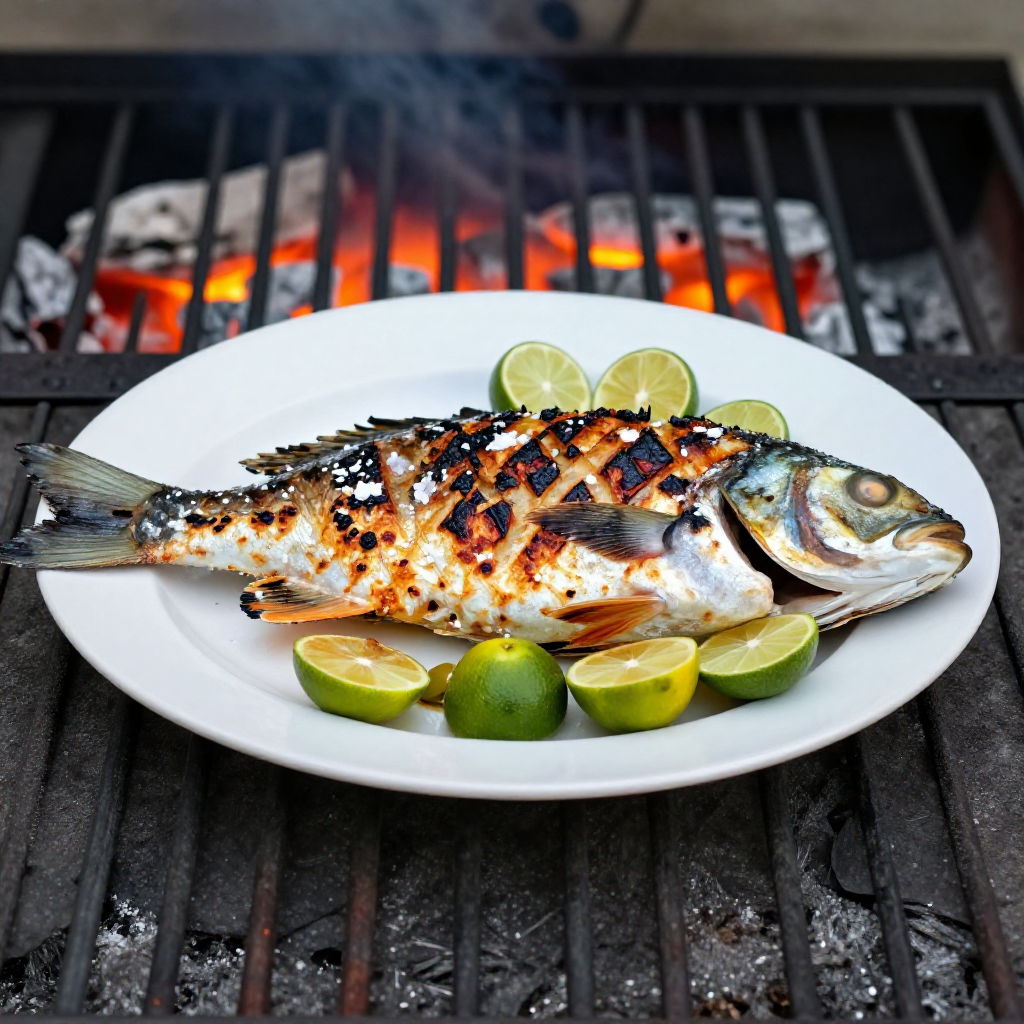
Inihaw na Isda
Inihaw na Isda is whole fish grilled to perfection, a beloved staple across the Philippines with Cebu being one of its strongest traditions. Fresh fish — whether it's galunggong, lapu-lapu (grouper), or tanigue (spanish mackerel) — is simply seasoned with salt and calamansi, then grilled over glowing charcoal until the skin crisps and the flesh is moist and flaky. The beauty of this dish is in its simplicity: it lets the natural sweetness of the fish shine through. It's almost always served with sinangag (garlic fried rice), itlog (fried egg), and a tangy tomato-vinegar dipping sauce called sawsawan.
Instructions
- Clean the fish thoroughly — remove the gills, scales, and innards. Make 3-4 diagonal slashes on each side of the fish, going deep enough to reach the bone. This helps the fish cook evenly and lets the seasoning penetrate.
- Rub the fish all over with coarse sea salt and crushed garlic, including inside the slashes and the belly cavity. Squeeze calamansi juice over the fish and let it rest for 10-15 minutes. This simple salt-calamansi treatment is the classic Filipino way of seasoning fish.
- Prepare the sawsawan (dipping sauce) while the fish marinates. Mix diced tomatoes, diced onions, sliced chili, fish sauce, and calamansi juice in a small bowl. Set aside — this tangy, slightly spicy sauce is what makes grilled fish truly delicious.
- Heat your charcoal grill until the coals are hot and ash-covered. If using a gas grill, preheat to high. Lightly brush the grill grates with vegetable oil to prevent the fish from sticking.
- Place the fish on the grill, skin-side down first. Grill for about 8-10 minutes without moving it — patience is key. If you flip it too early, the skin will tear. You'll know it's ready to flip when the skin releases easily from the grill.
- Flip the fish and grill for another 6-8 minutes on the other side. Baste with a little vegetable oil and squeeze more calamansi over it during grilling. The fish is done when the flesh is opaque and flakes easily with a fork.
- Serve the whole grilled fish on a large platter, garnished with fresh calamansi halves. Pair it with the sawsawan, sinangag (garlic fried rice), and sliced raw tomatoes and onions. In Cebu, this is how lunch is done right.
Kitchen Tools We Recommend
Cook Inihaw na Isda the easy way with the right tools. Shop our favorite kitchen essentials on Amazon — from reliable pots and pans to measuring tools that make Filipino cooking simpler.
🔥 Trending on Amazon right now — these products are selling fast. Check out what's climbing the charts.
As an Amazon Associate, I earn from qualifying purchases.
Pro Tips & Troubleshooting
Cooking Tips
Baste the marinade on during the last few minutes of grilling — applying it too early can char the sugars and create bitter flavors.
As prepared in Cebu, this dish is best enjoyed with steamed white rice and a drizzle of fresh calamansi — the acidity cuts through the richness beautifully.
Substitutions
Lemon or calamansi juice can replace vinegar in most marinades and braises. Add a pinch of sugar to balance the acidity.
Short on time? A pressure cooker (Instant Pot) can reduce cooking time by roughly half for most braised and stewed Filipino dishes. Reduce liquid slightly since less evaporates.
Storage & Reheating
Seafood dishes are best consumed within 1–2 days. Reheat gently — microwave on low power or warm in a covered skillet over low heat to avoid overcooking.
Do not refreeze thawed seafood dishes. Once reheated, consume immediately and do not re-refrigerate.
Reheat on the stovetop over medium-low heat, adding a splash of water or broth if the sauce has thickened during storage. Microwave in 30-second bursts, stirring between each.
Comments (0)
Leave a comment