Pro Tips
Slice beef against the grain while partially frozen for paper-thin strips. Your wok must be smoking hot before the beef hits it — this is what creates the signature sear. Do not overcrowd the pan or the beef will steam instead of sear. Serve immediately after the vinegar hits the pan.
Cooking Tips
Slice beef against the grain for the most tender bite every time. Look for the long muscle fibers and cut perpendicular to them. For tough cuts like chuck or brisket, cook low and slow — low heat over a longer time breaks down collagen into rich, silky gelatin. Have all your ingredients prepped and measured before you start cooking — quick dishes leave no time for chopping mid-recipe. True to Ilocano tradition, this Imbaliktad pairs wonderfully with a side of steamed rice and fresh bagoong (fermented shrimp paste) for an authentic regional experience.
Ingredient Substitutions
Out of cane vinegar? White vinegar, apple cider vinegar, or rice vinegar all work — each brings its own subtle character. Avoid balsamic (too sweet) or distilled white (too harsh). Lemon or calamansi juice can replace vinegar in most marinades and braises. Add a pinch of sugar to balance the acidity. Beef alternatives: For stews, pork shoulder or oxtail provide similar richness. For steaks, try portobello mushrooms or cauliflower steaks for a vegetarian twist. Short on time? A pressure cooker (Instant Pot) can reduce cooking time by roughly half for most braised and stewed Filipino dishes. Reduce liquid slightly since less evaporates.
Storage & Reheating
Store in an airtight container in the refrigerator for up to 3–4 days. The flavors often deepen overnight, making leftovers even more delicious. Reheat on the stovetop over medium-low heat, adding a splash of water or broth if the sauce has thickened during storage. Microwave in 30-second bursts, stirring between each.
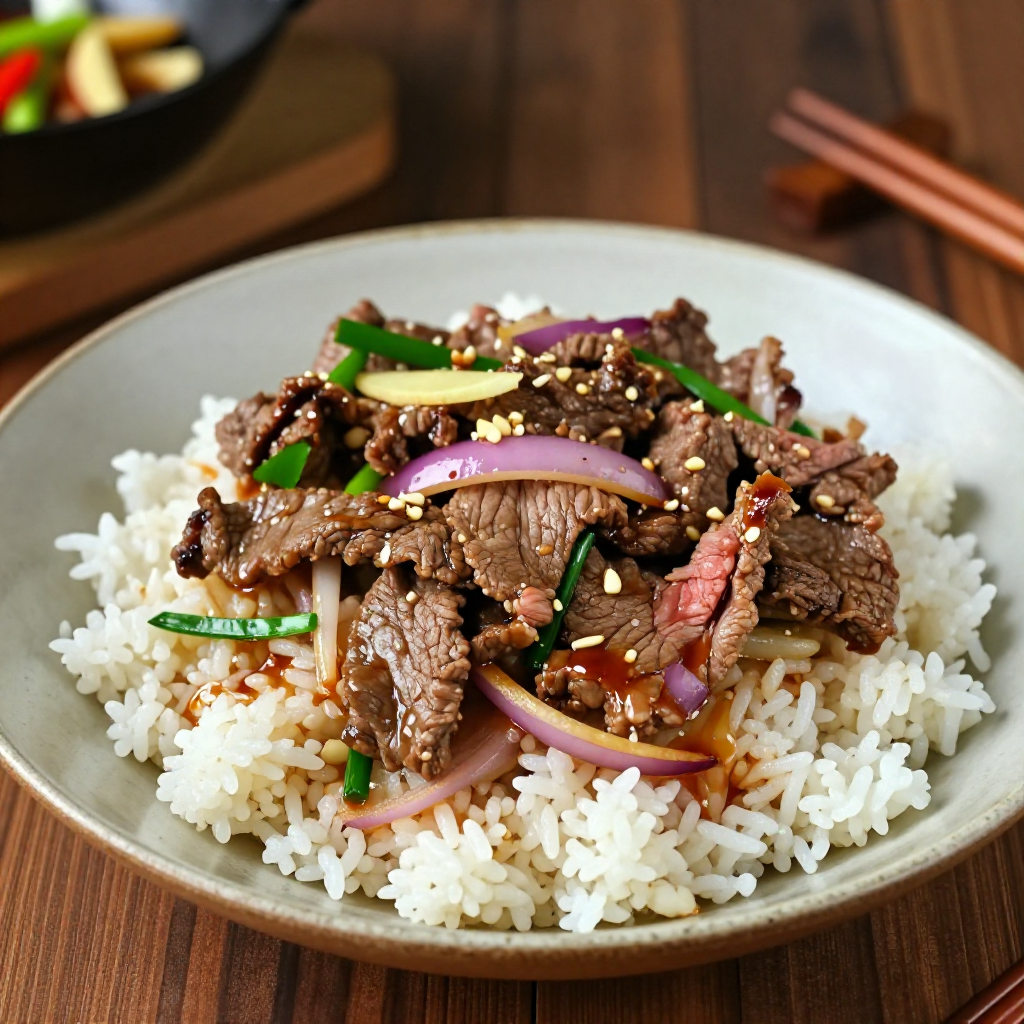
Imbaliktad
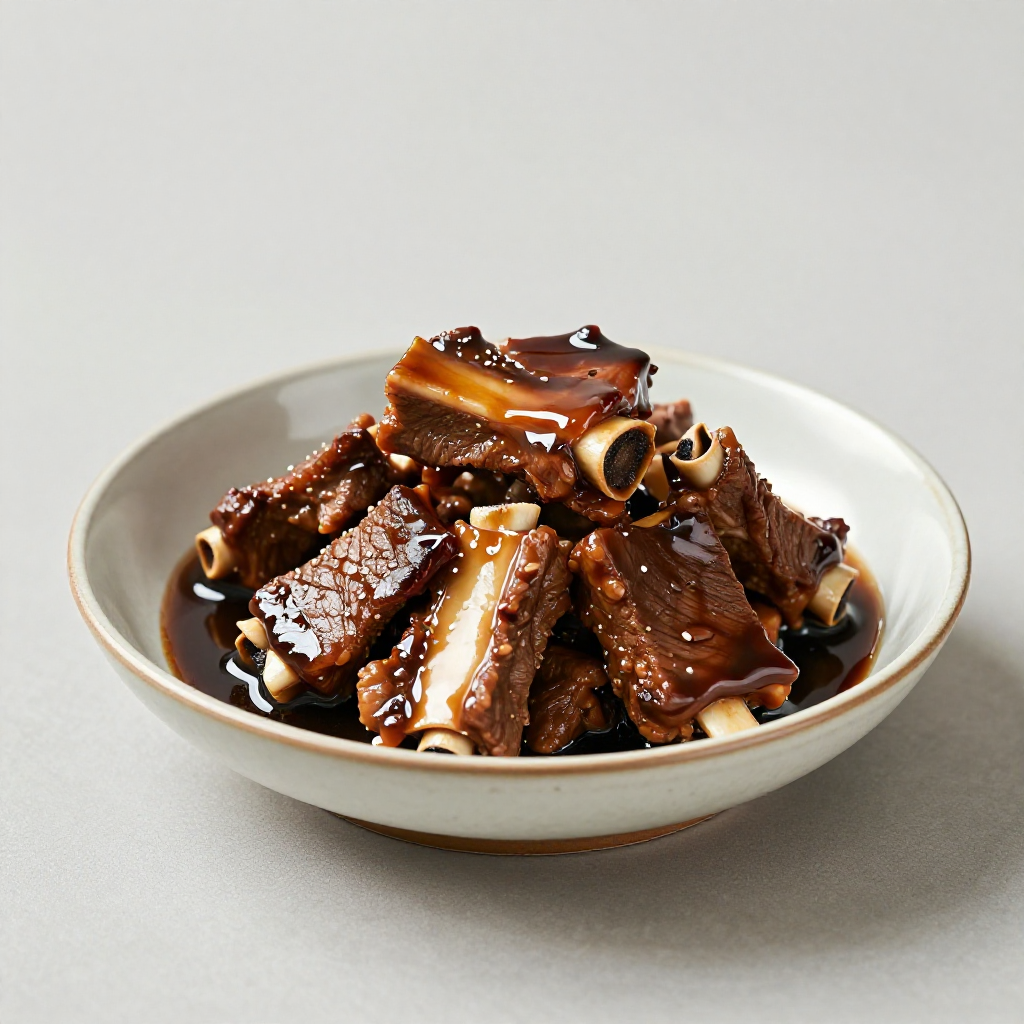
A lightning-fast Ilocano stir-fry where paper-thin beef strips are seared in a screaming-hot wok with garlic, ginger, and red onion, then finished with a bright splash of cane vinegar. The name "imbaliktad" means "to flip" — referring to the rapid tossing motion that keeps the beef perfectly medium-rare. Originally a student favorite in Baguio carinderias for its speed and affordability, it has become the go-to pulutan (bar food) across the Ilocos Region. The dish proves that five minutes and five core ingredients can produce something truly extraordinary.
Instructions
- Slice the beef rump steak as thinly as possible, cutting against the grain. If the meat is soft, partially freeze it for 20 minutes first to make thin slicing easier.
- Heat a wok or large skillet over the highest heat setting until the oil you add begins to smoke.
- Add the cooking oil, then immediately toss in the beef along with the minced garlic, chopped onion, ginger matchsticks, sliced chillies, and spring onions.
- Stir-fry continuously and vigorously for about 2 minutes. The beef should just reach medium-rare — do not overcook.
- Pour in the cane vinegar while still on high heat and let it bubble and reduce for 30 seconds.
- Season with salt and freshly ground black pepper to taste, then immediately transfer to a serving plate.
- Serve hot over steamed rice. The dish is best enjoyed right away while the beef is still tender and the flavors are at their brightest.
Kitchen Tools We Recommend
Cook Imbaliktad the easy way with the right tools. Shop our favorite kitchen essentials on Amazon — from reliable pots and pans to measuring tools that make Filipino cooking simpler.
🔥 Trending on Amazon right now — these products are selling fast. Check out what's climbing the charts.
As an Amazon Associate, I earn from qualifying purchases.
Pro Tips & Troubleshooting
Cooking Tips
For tough cuts like chuck or brisket, cook low and slow — low heat over a longer time breaks down collagen into rich, silky gelatin.
Have all your ingredients prepped and measured before you start cooking — quick dishes leave no time for chopping mid-recipe.
True to Ilocano tradition, this Imbaliktad pairs wonderfully with a side of steamed rice and fresh bagoong (fermented shrimp paste) for an authentic regional experience.
Substitutions
Lemon or calamansi juice can replace vinegar in most marinades and braises. Add a pinch of sugar to balance the acidity.
Beef alternatives: For stews, pork shoulder or oxtail provide similar richness. For steaks, try portobello mushrooms or cauliflower steaks for a vegetarian twist.
Short on time? A pressure cooker (Instant Pot) can reduce cooking time by roughly half for most braised and stewed Filipino dishes. Reduce liquid slightly since less evaporates.
Storage & Reheating
Reheat on the stovetop over medium-low heat, adding a splash of water or broth if the sauce has thickened during storage. Microwave in 30-second bursts, stirring between each.
Comments (0)
Leave a comment