Pro Tips
**Chef's Tips & Troubleshooting:**
- For seafood soups, add the seafood last and simmer just until cooked to preserve tenderness.
- Remove the vein from shrimp with a toothpick for a cleaner presentation and texture.
- For squid, cook quickly over high heat — it turns rubbery if simmered longer than 3 minutes.
- Do not overcook seafood — shrimp turns pink and curls in 2-3 minutes, fish flakes easily when done.
Cooking Tips
Seafood cooks quickly — remove it from heat the moment it turns opaque and flakes easily with a fork. Overcooking makes it tough and rubbery. Pat shellfish dry before adding to the pan so they sear rather than steam. A hot, quick cook preserves their natural sweetness.
Ingredient Substitutions
No soy sauce? Use tamari (gluten-free), coconut aminos (paleo-friendly), or a mix of fish sauce and water for a different but delicious umami profile. For a low-sodium version, use light soy sauce or dilute regular soy sauce with a splash of water or broth. Short on time? A pressure cooker (Instant Pot) can reduce cooking time by roughly half for most braised and stewed Filipino dishes. Reduce liquid slightly since less evaporates.
Storage & Reheating
Store in an airtight container in the refrigerator for up to 3–4 days. The flavors often deepen overnight, making leftovers even more delicious. Seafood dishes are best consumed within 1–2 days. Reheat gently — microwave on low power or warm in a covered skillet over low heat to avoid overcooking. Do not refreeze thawed seafood dishes. Once reheated, consume immediately and do not re-refrigerate. Reheat on the stovetop over medium-low heat, adding a splash of water or broth if the sauce has thickened during storage. Microwave in 30-second bursts, stirring between each.

Hoisin Glazed Salmon
Hoisin Glazed Salmon — fresh seafood prepared Filipino-style with garlic, vinegar, and calamansi. Briny, savory, and deeply flavorful.
Instructions
- Combine Hoisin sauce, lemon juice, soy sauce, garlic powder, Sriracha sauce, ginger, and EV olive oil in a bowl. Stir until the mixture is well incorporated.
- Arrange the salmon fillets inside a resealable freezer bag. Pour-in the mixture inside the bag. Make sure that the mixture coats the salmon.
- Place the bag in a flat surface then gently push the air out of the bag and seal it. Refrigerate for 1 hour.
- Preheat the oven to 350 degrees Fahrenheit.
- Grease a baking tray by spraying or spreading a small amount of cooking oil. Arrange the marinated salmon on the tray.Scoop the remaining marinade and pour it over each salmon fillet.
- Bake for about 28 to 32 minutes.
- Remove from the oven. Let the temperature cool down.
- Arrange in a serving plate along with your favorite salad side dish.
- Serve.
Kitchen Tools We Recommend
Cook Hoisin Glazed Salmon the easy way with the right tools. Shop our favorite kitchen essentials on Amazon — from reliable pots and pans to measuring tools that make Filipino cooking simpler.
🔥 Trending on Amazon right now — these products are selling fast. Check out what's climbing the charts.
As an Amazon Associate, I earn from qualifying purchases.
Pro Tips & Troubleshooting
- For seafood soups, add the seafood last and simmer just until cooked to preserve tenderness.
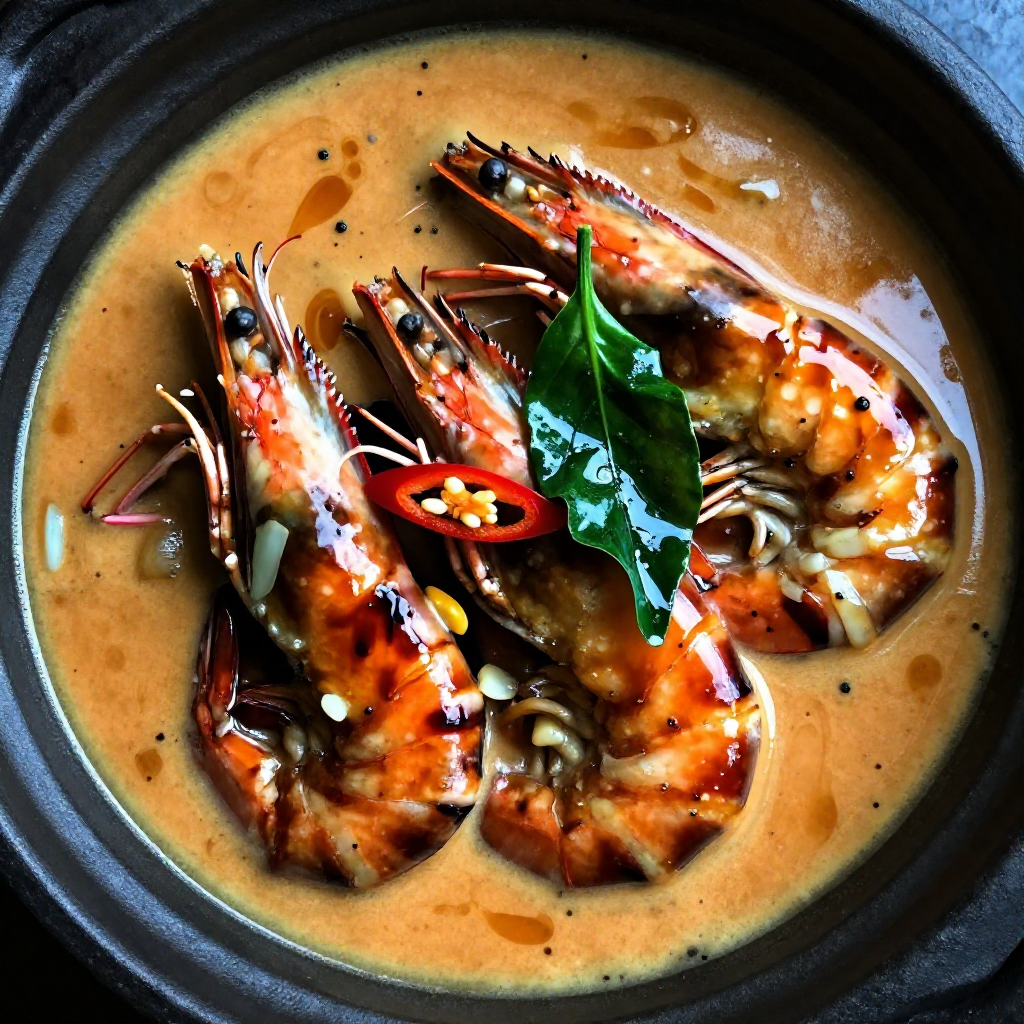
- Remove the vein from shrimp with a toothpick for a cleaner presentation and texture.
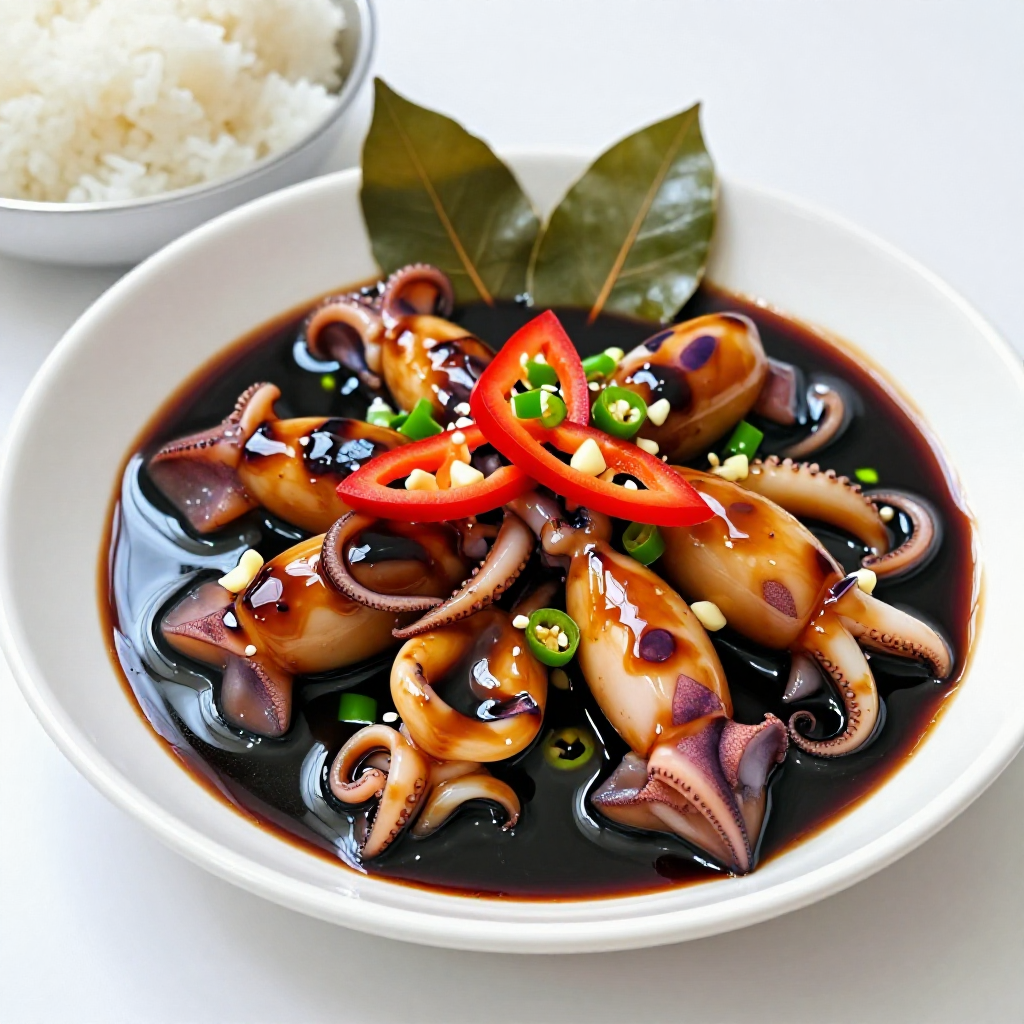
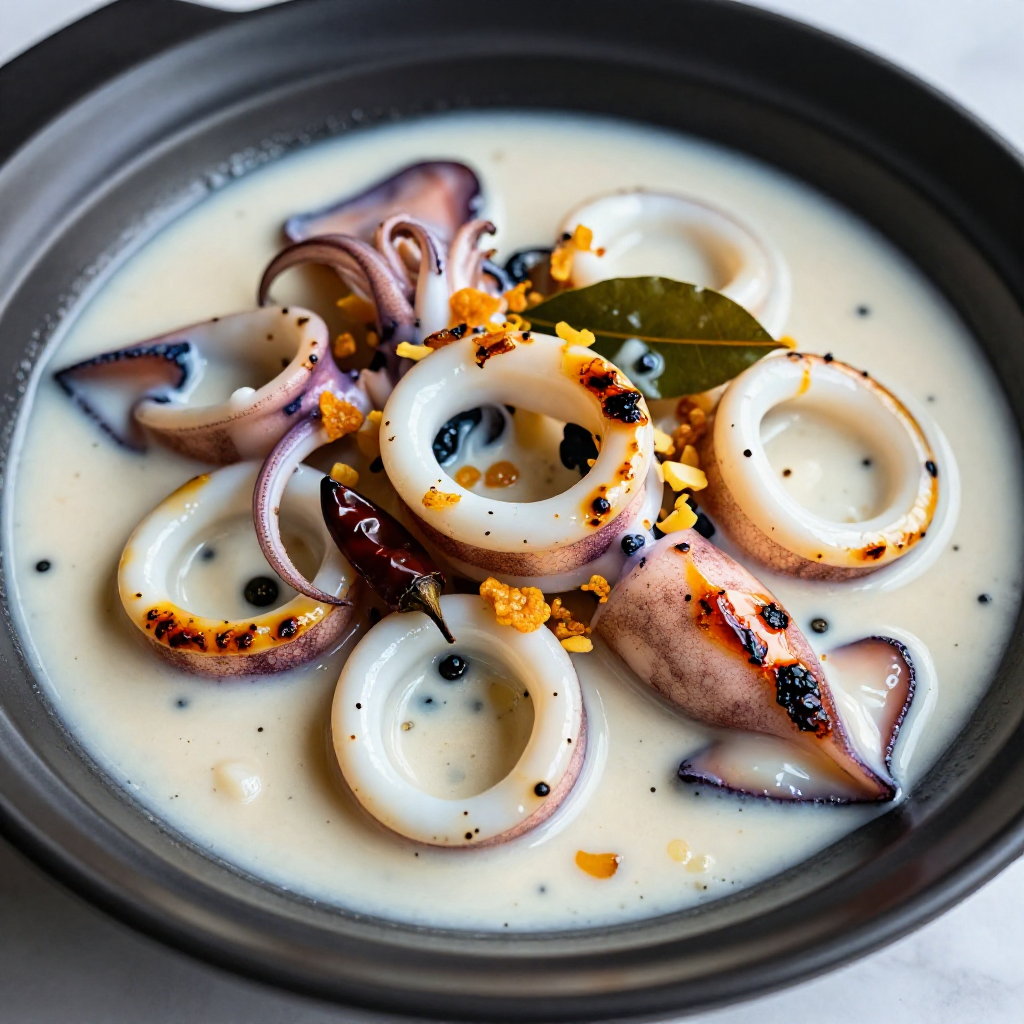
- For squid, cook quickly over high heat — it turns rubbery if simmered longer than 3 minutes.
- Do not overcook seafood — shrimp turns pink and curls in 2-3 minutes, fish flakes easily when done.
Cooking Tips
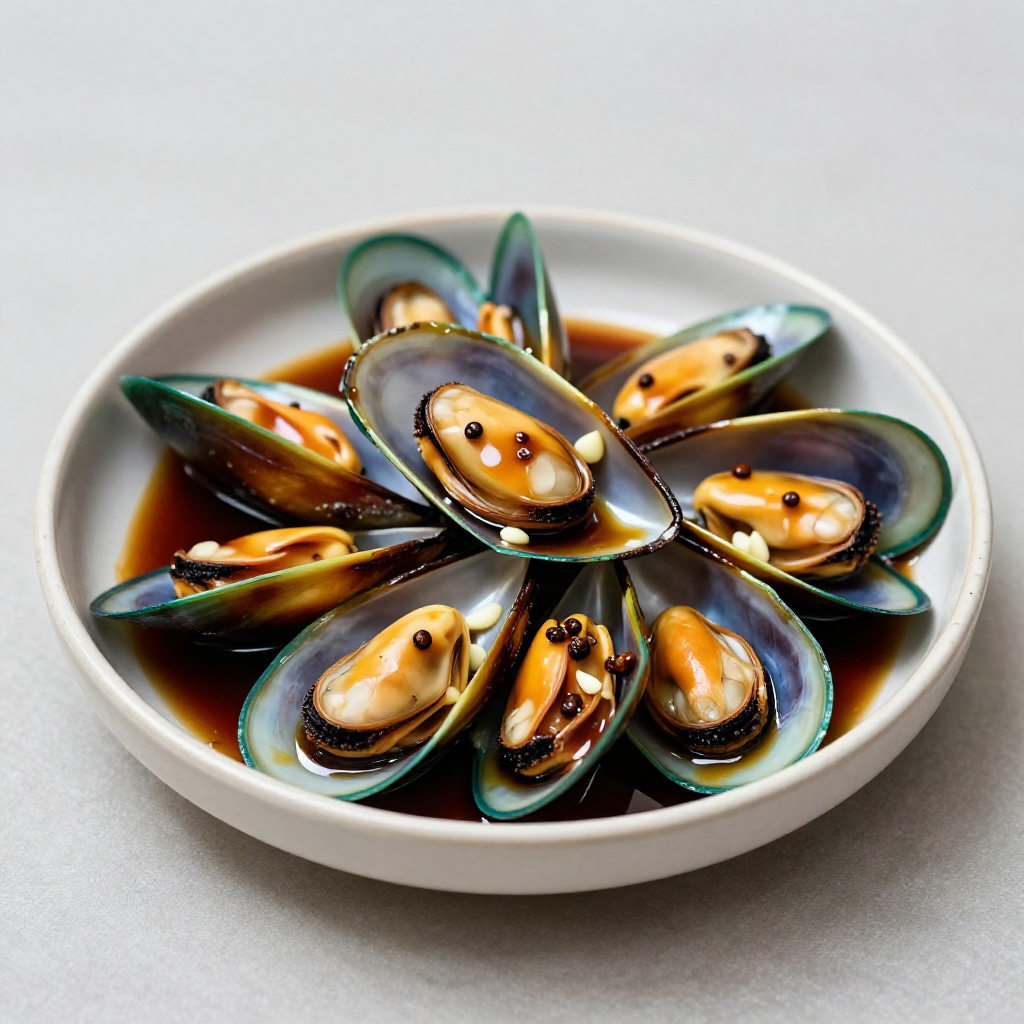
Pat shellfish dry before adding to the pan so they sear rather than steam. A hot, quick cook preserves their natural sweetness.
Substitutions
For a low-sodium version, use light soy sauce or dilute regular soy sauce with a splash of water or broth.
Short on time? A pressure cooker (Instant Pot) can reduce cooking time by roughly half for most braised and stewed Filipino dishes. Reduce liquid slightly since less evaporates.
Storage & Reheating
Seafood dishes are best consumed within 1–2 days. Reheat gently — microwave on low power or warm in a covered skillet over low heat to avoid overcooking.
Do not refreeze thawed seafood dishes. Once reheated, consume immediately and do not re-refrigerate.
Reheat on the stovetop over medium-low heat, adding a splash of water or broth if the sauce has thickened during storage. Microwave in 30-second bursts, stirring between each.
Comments (0)
Leave a comment