Pro Tips
Pat the meat dry before browning. Let tough cuts cook slowly for best results.
Cooking Tips
For the most tender results, cook low and slow — a gentle simmer (not a vigorous boil) breaks down connective tissue without drying out the meat. Taste and adjust seasoning toward the end of cooking. As liquids reduce, flavors concentrate, so what tastes balanced early may become too salty later. Check liquid levels halfway through cooking and add hot water or broth if needed. Long-cooked dishes can dry out or burn if left unattended. True to Ilocano tradition, this Gigil na Baka pairs wonderfully with a side of steamed rice and fresh bagoong (fermented shrimp paste) for an authentic regional experience.
Ingredient Substitutions
Beef alternatives: For stews, pork shoulder or oxtail provide similar richness. For steaks, try portobello mushrooms or cauliflower steaks for a vegetarian twist. Short on time? A pressure cooker (Instant Pot) can reduce cooking time by roughly half for most braised and stewed Filipino dishes. Reduce liquid slightly since less evaporates.
Storage & Reheating
Store in an airtight container in the refrigerator for up to 3–4 days. The flavors often deepen overnight, making leftovers even more delicious. Reheat on the stovetop over medium-low heat, adding a splash of water or broth if the sauce has thickened during storage. Microwave in 30-second bursts, stirring between each.

Gigil na Baka
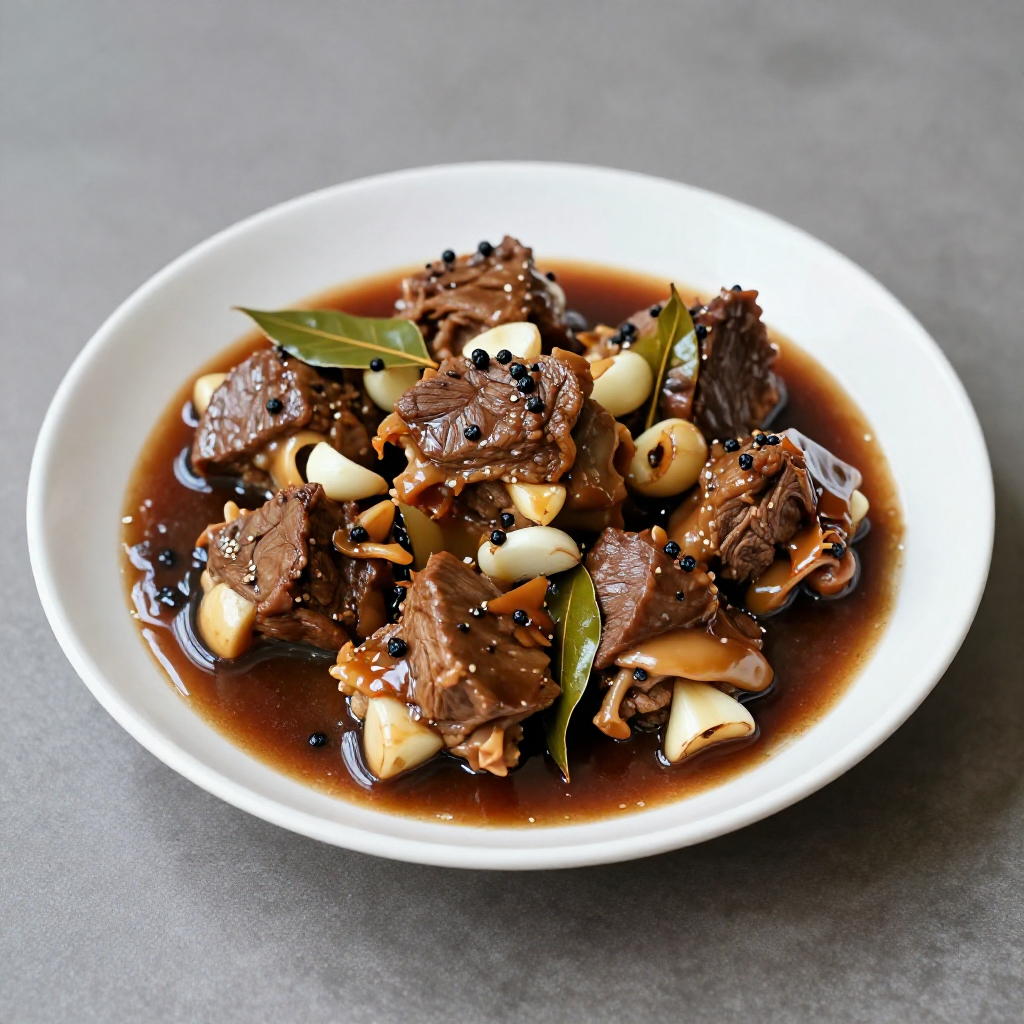
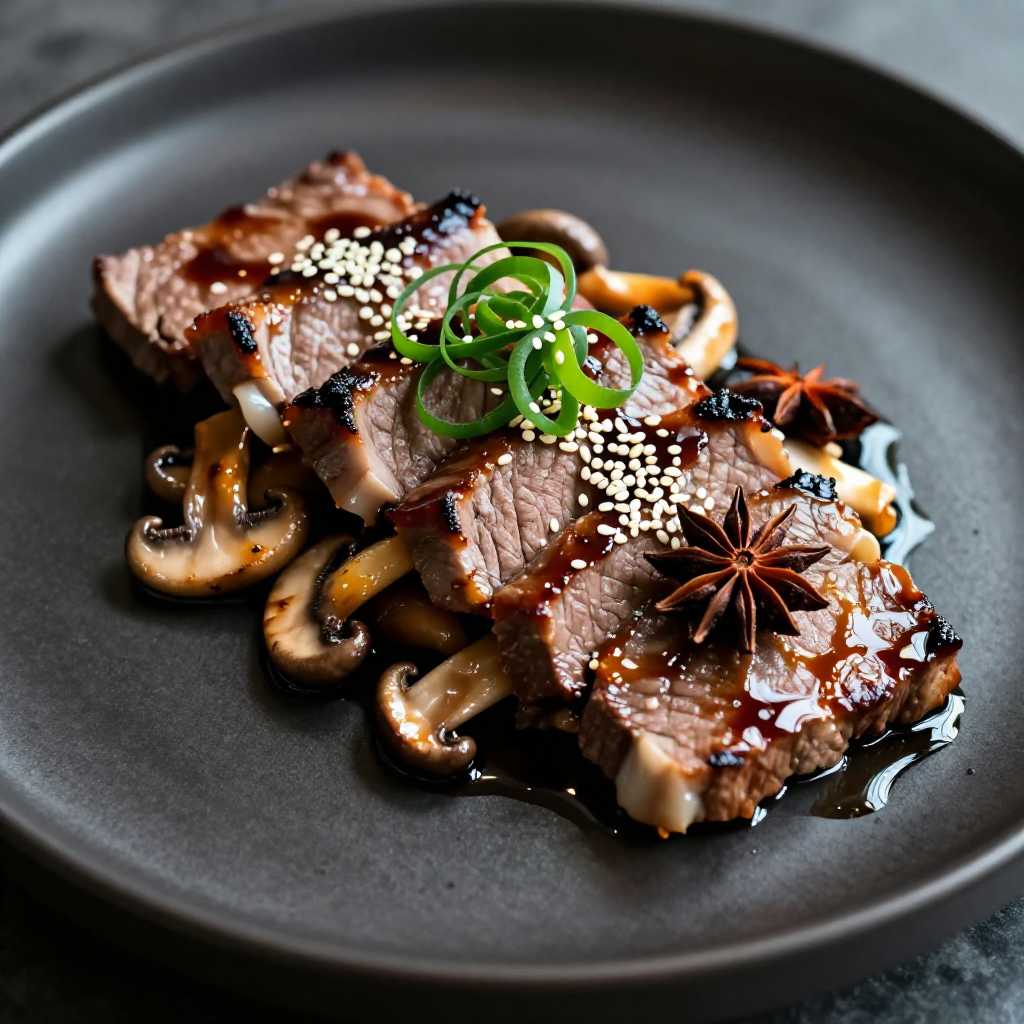
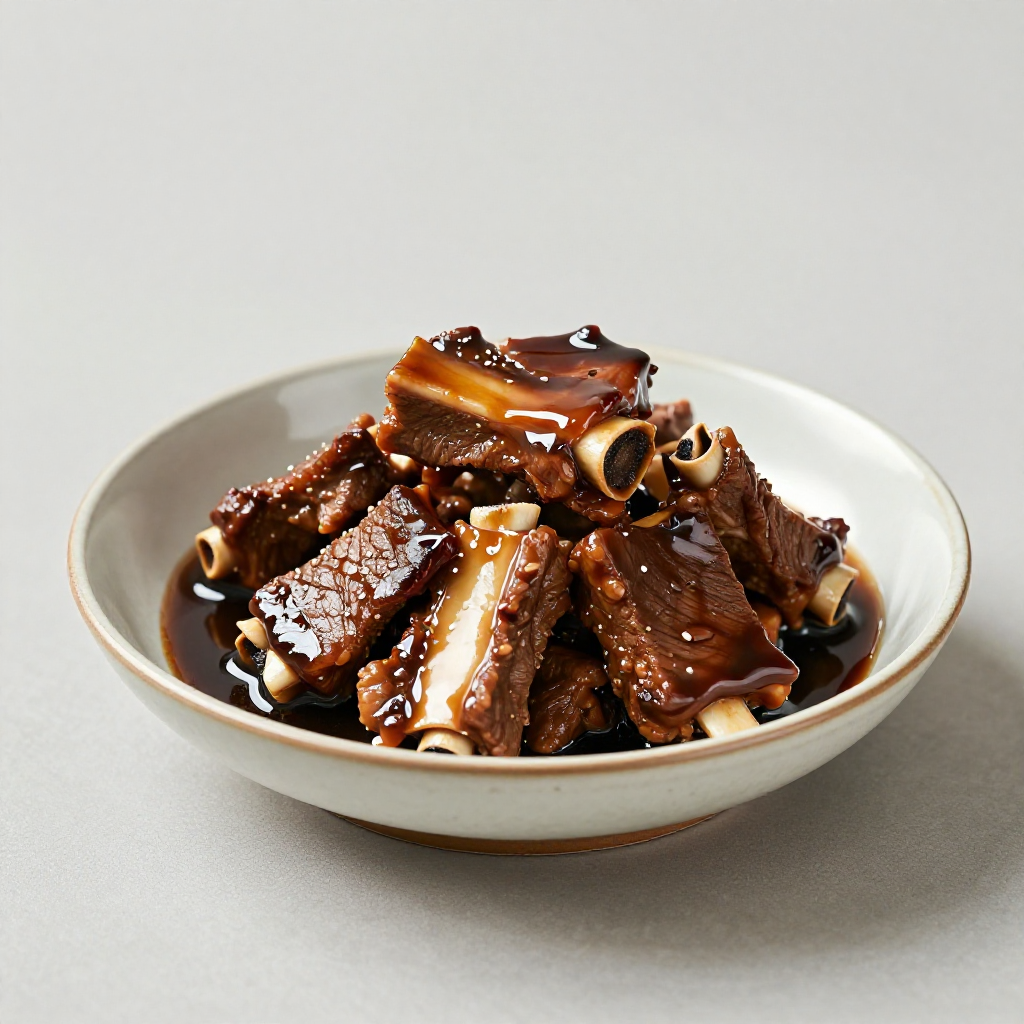
An Ilocano preparation of beef that's boiled until impossibly tender, then 'gigiled' — rubbed and pounded with salt and calamansi to draw out every last bit of flavor. The meat is so soft it practically melts between your teeth. Traditionally eaten with bare hands dipped in a tangy vinegar-soy sauce, this is rustic Ilocano cooking at its most delicious.
Instructions
- Place the beef shank in a large pot and cover generously with water. Add the whole garlic cloves, bay leaves, peppercorns, and quartered onion. Bring to a boil, then reduce to the lowest possible simmer.
- Cover and let it cook for 2-2.5 hours. The goal here is to make the beef so tender that you can pull it apart with just two forks. Check occasionally and add more water if the level gets too low. When the meat starts separating from the bone, you're getting close.
- Remove the beef from the pot and let it cool on a cutting board until you can handle it. Pull off and discard the bones. You should be left with piles of fork-tender beef.
- Now comes the 'gigil' part — the technique this dish is named after. Sprinkle the salt generously over the beef. Using your hands or tongs, rub and press the meat, working the salt in and breaking it down further. Then squeeze calamansi juice all over it. The acid brightens the rich beef flavor and the salt draws out the natural juices.
- Mix the dipping sauce: combine the soy sauce, vinegar, minced garlic, and sliced chilies in a small bowl.
- Serve the gigiled beef on a platter with extra calamansi halves and the dipping sauce on the side. The Ilocano way is to take a piece of beef with your fingers, dip it in the sauce, and eat it with steamed rice. Simple, but incredibly satisfying.
Kitchen Tools We Recommend
Cook Gigil na Baka the easy way with the right tools. Shop our favorite kitchen essentials on Amazon — from reliable pots and pans to measuring tools that make Filipino cooking simpler.
🔥 Trending on Amazon right now — these products are selling fast. Check out what's climbing the charts.
As an Amazon Associate, I earn from qualifying purchases.
Pro Tips & Troubleshooting
Cooking Tips
Taste and adjust seasoning toward the end of cooking. As liquids reduce, flavors concentrate, so what tastes balanced early may become too salty later.
Check liquid levels halfway through cooking and add hot water or broth if needed. Long-cooked dishes can dry out or burn if left unattended.
True to Ilocano tradition, this Gigil na Baka pairs wonderfully with a side of steamed rice and fresh bagoong (fermented shrimp paste) for an authentic regional experience.
Substitutions
Short on time? A pressure cooker (Instant Pot) can reduce cooking time by roughly half for most braised and stewed Filipino dishes. Reduce liquid slightly since less evaporates.
Storage & Reheating
Reheat on the stovetop over medium-low heat, adding a splash of water or broth if the sauce has thickened during storage. Microwave in 30-second bursts, stirring between each.
Comments (0)
Leave a comment