Pro Tips
**Chef's Tips & Troubleshooting:**
- Skim the scum that rises to the surface during the first boil for a clear, clean broth.
- Add salt or fish sauce only at the end of cooking so the broth does not become too salty as it reduces.
- Simmer soup gently rather than boiling vigorously to keep the broth clear.
- Cook fish fillets skin-side down first until the skin is crispy before flipping.
Cooking Tips
Seafood cooks quickly — remove it from heat the moment it turns opaque and flakes easily with a fork. Overcooking makes it tough and rubbery. Pat shellfish dry before adding to the pan so they sear rather than steam. A hot, quick cook preserves their natural sweetness.
Ingredient Substitutions
Short on time? A pressure cooker (Instant Pot) can reduce cooking time by roughly half for most braised and stewed Filipino dishes. Reduce liquid slightly since less evaporates.
Storage & Reheating
Store in an airtight container in the refrigerator for up to 3–4 days. The flavors often deepen overnight, making leftovers even more delicious. Seafood dishes are best consumed within 1–2 days. Reheat gently — microwave on low power or warm in a covered skillet over low heat to avoid overcooking. Do not refreeze thawed seafood dishes. Once reheated, consume immediately and do not re-refrigerate. Reheat on the stovetop over medium-low heat, adding a splash of water or broth if the sauce has thickened during storage. Microwave in 30-second bursts, stirring between each.
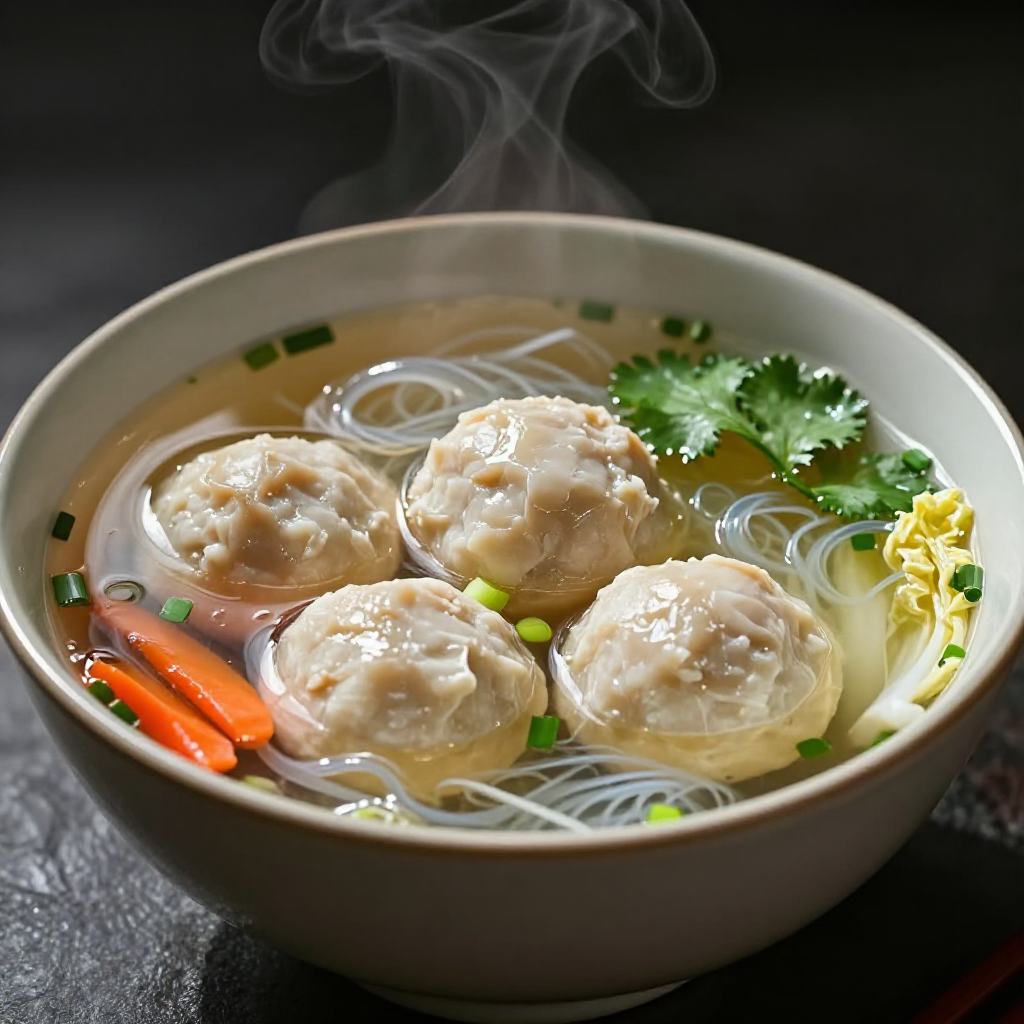
Fish Ball Soup
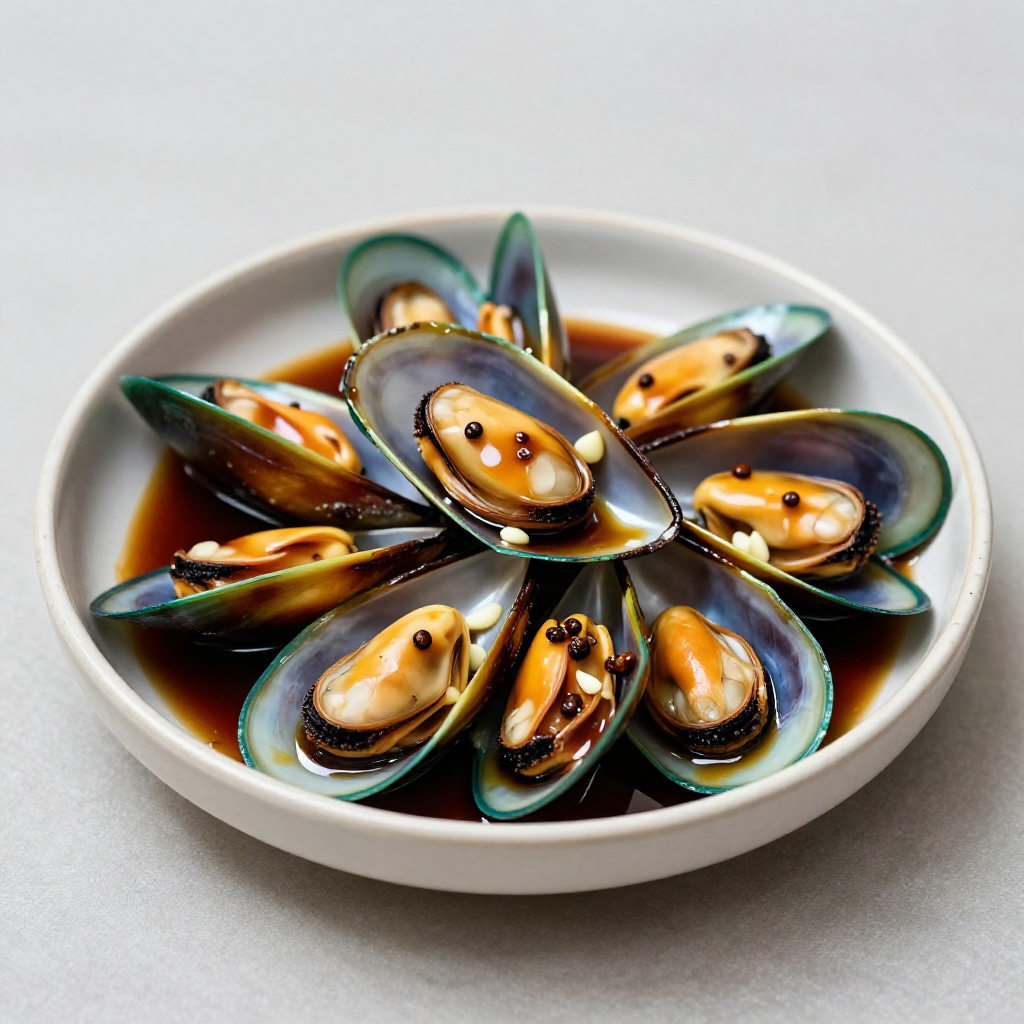
Fish Ball Soup — fresh seafood prepared Filipino-style with garlic, vinegar, and calamansi. Briny, savory, and deeply flavorful.
Instructions
- Boil the vegetable broth in a large cooking pot.
- Put-in the onions and simmer for 10 minutes.
- Meanwhile, make the fish paste by combining the fish fillet, tapioca starch, salt, and pepper in a food processor. Mince the mixture until the texture becomes soft.
- Transfer the mixture in a mixing bowl. Add the minced scallions and ice cubes. Mix well using your hands until the mixture becomes thick.
- Make a ball out of the mixture by grabbing a handful using your hand. Make an “O” shaped opening using your thumb and index finger. Gently squeeze your hand until the mixture exits the opening. Use a spoon to scoop the mixture.
- Place the scooped mixture in the simmering broth. Continue to simmer until the balls float.
- Add in the chopped scallions and bok choy. Cook for 5 to 7 minutes.
- Pour in the fish sauce. Stir.
- Transfer to a serving bowl.
- Serve.
Kitchen Tools We Recommend
Cook Fish Ball Soup the easy way with the right tools. Shop our favorite kitchen essentials on Amazon — from reliable pots and pans to measuring tools that make Filipino cooking simpler.
🔥 Trending on Amazon right now — these products are selling fast. Check out what's climbing the charts.
As an Amazon Associate, I earn from qualifying purchases.
Pro Tips & Troubleshooting
- Skim the scum that rises to the surface during the first boil for a clear, clean broth.
- Add salt or fish sauce only at the end of cooking so the broth does not become too salty as it reduces.
- Simmer soup gently rather than boiling vigorously to keep the broth clear.
- Cook fish fillets skin-side down first until the skin is crispy before flipping.
Cooking Tips
Pat shellfish dry before adding to the pan so they sear rather than steam. A hot, quick cook preserves their natural sweetness.
Substitutions
Storage & Reheating
Seafood dishes are best consumed within 1–2 days. Reheat gently — microwave on low power or warm in a covered skillet over low heat to avoid overcooking.
Do not refreeze thawed seafood dishes. Once reheated, consume immediately and do not re-refrigerate.
Reheat on the stovetop over medium-low heat, adding a splash of water or broth if the sauce has thickened during storage. Microwave in 30-second bursts, stirring between each.
Comments (0)
Leave a comment