Pro Tips
The key to Dinililian is not rushing the caramelization — let the sugar-coated beef develop a golden crust before adding the braising liquid. Use dark brown sugar for the deepest color and flavor. The dish improves significantly overnight as the flavors settle. Pair with Ilocano pinakbet for a complete meal.
Cooking Tips
For the most tender results, cook low and slow — a gentle simmer (not a vigorous boil) breaks down connective tissue without drying out the meat. Taste and adjust seasoning toward the end of cooking. As liquids reduce, flavors concentrate, so what tastes balanced early may become too salty later. Check liquid levels halfway through cooking and add hot water or broth if needed. Long-cooked dishes can dry out or burn if left unattended. True to Ilocano tradition, this Dinililian pairs wonderfully with a side of steamed rice and fresh bagoong (fermented shrimp paste) for an authentic regional experience.
Ingredient Substitutions
No soy sauce? Use tamari (gluten-free), coconut aminos (paleo-friendly), or a mix of fish sauce and water for a different but delicious umami profile. For a low-sodium version, use light soy sauce or dilute regular soy sauce with a splash of water or broth. Out of cane vinegar? White vinegar, apple cider vinegar, or rice vinegar all work — each brings its own subtle character. Avoid balsamic (too sweet) or distilled white (too harsh). Lemon or calamansi juice can replace vinegar in most marinades and braises. Add a pinch of sugar to balance the acidity. Beef alternatives: For stews, pork shoulder or oxtail provide similar richness. For steaks, try portobello mushrooms or cauliflower steaks for a vegetarian twist.
Storage & Reheating
Store in an airtight container in the refrigerator for up to 3–4 days. The flavors often deepen overnight, making leftovers even more delicious. Reheat on the stovetop over medium-low heat, adding a splash of water or broth if the sauce has thickened during storage. Microwave in 30-second bursts, stirring between each.
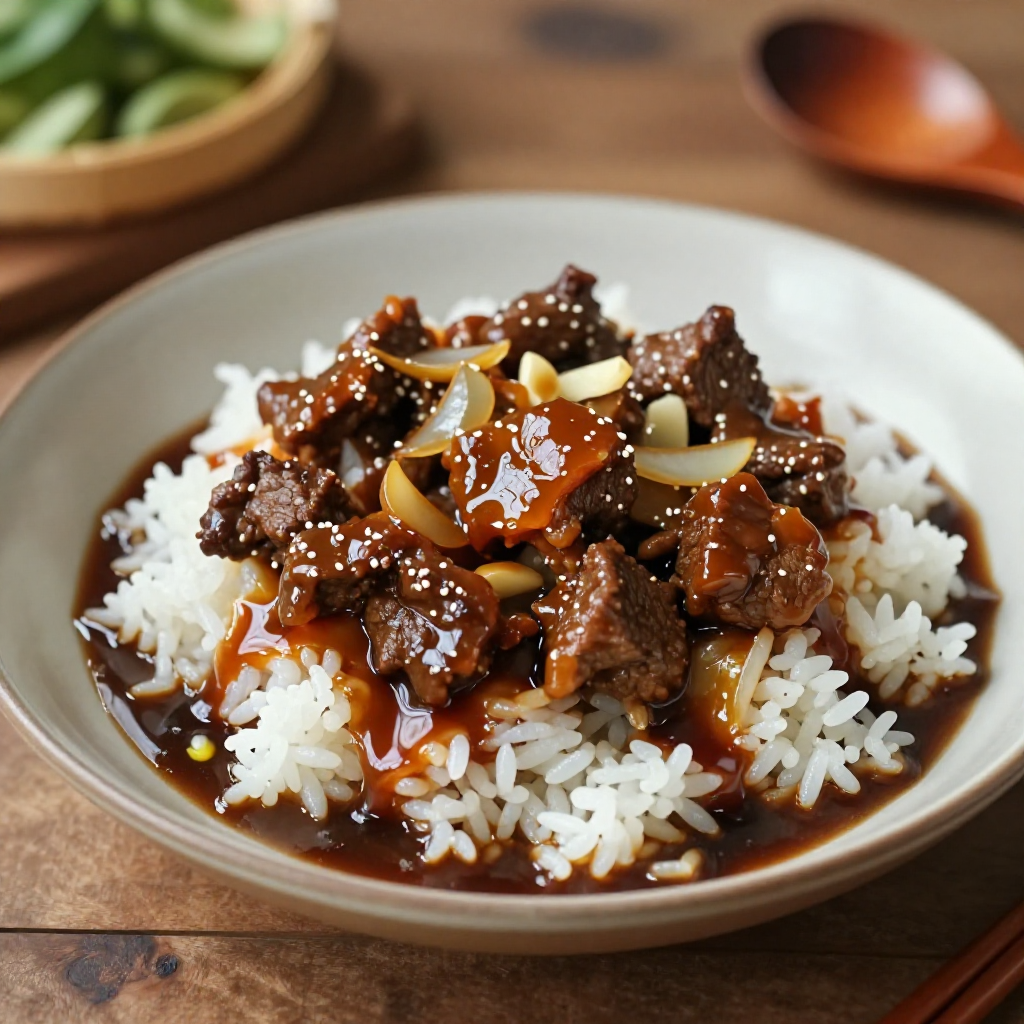
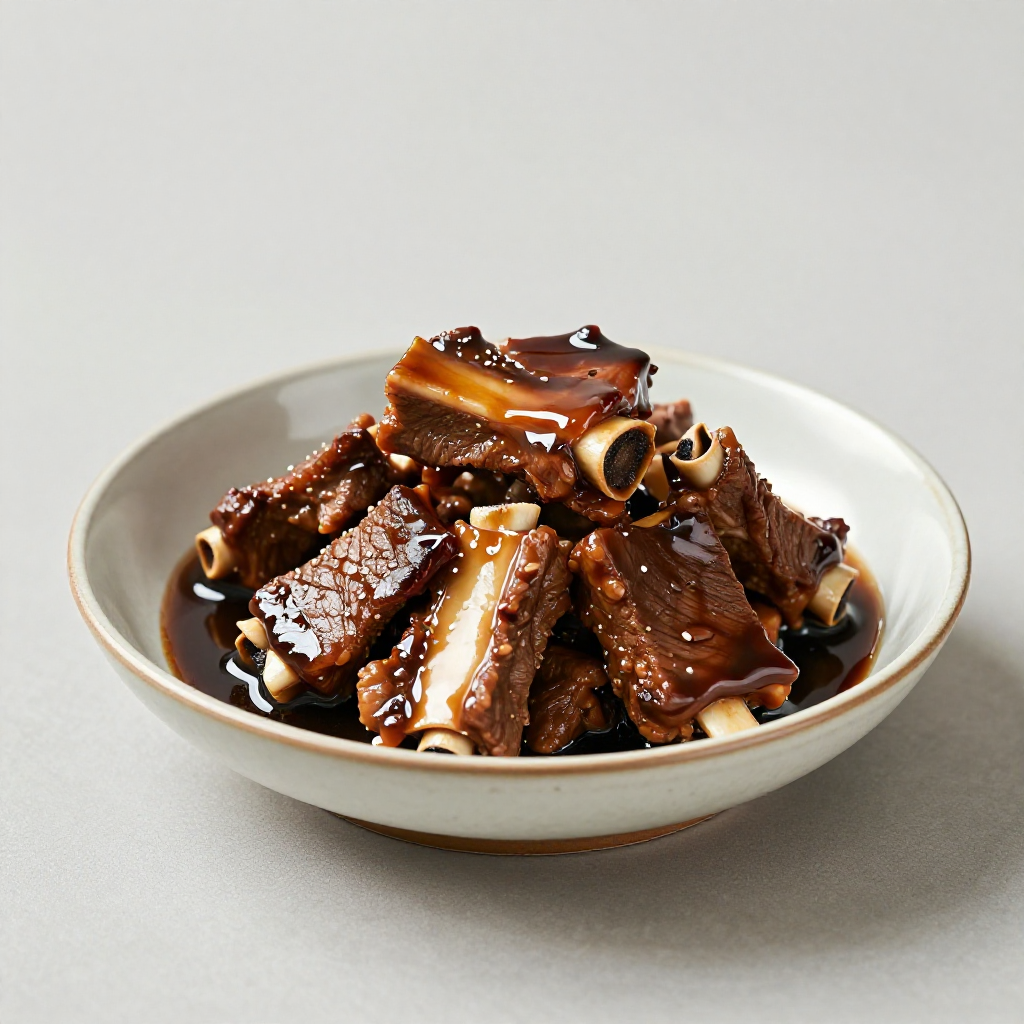
Dinililian
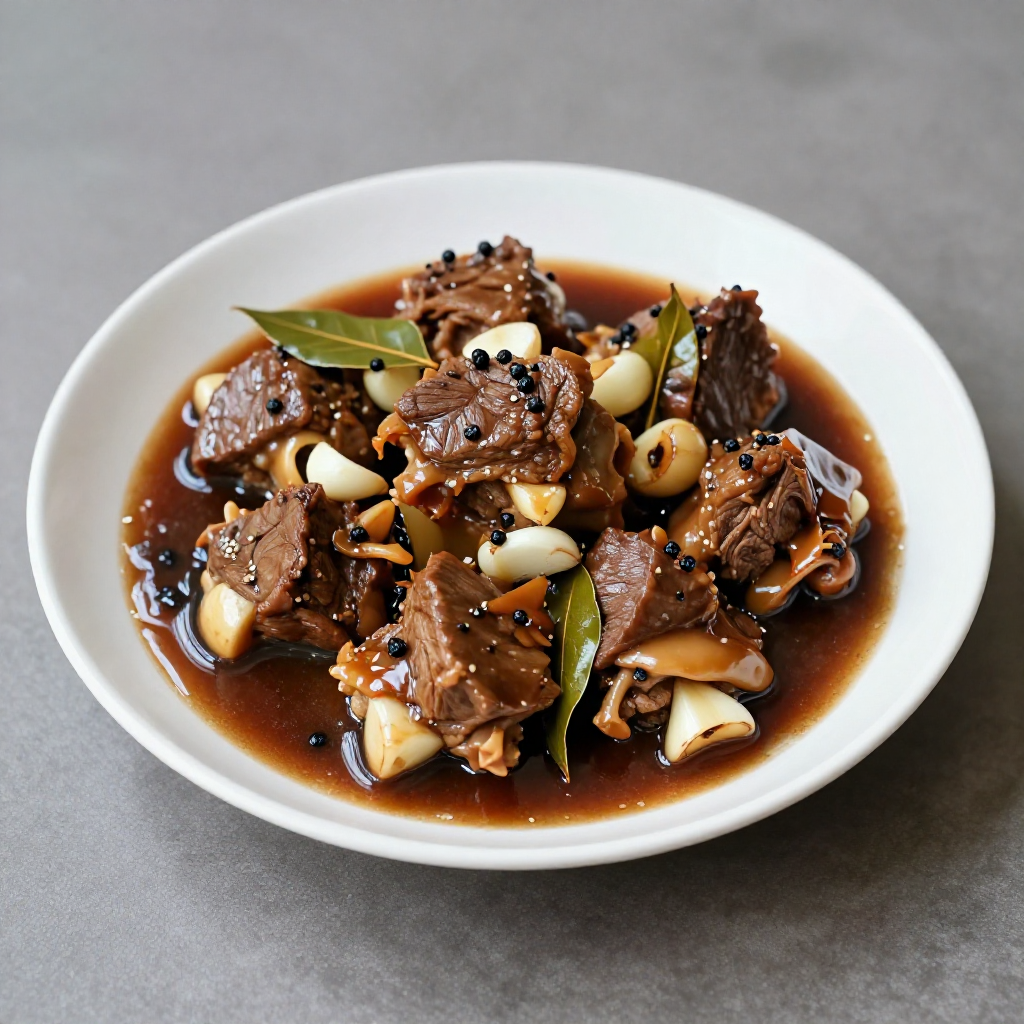
Dinililian is the Ilocano answer to the question "what if adobo leaned harder into sweet?" This beloved beef dish from the Ilocos Region braises tender strips of meat in a harmonious blend of soy sauce, vinegar, copious garlic, and a generous measure of brown sugar that caramelizes into a glossy, amber glaze. The name derives from "dililay," meaning to marinate or soak — and the beef does exactly that, sitting in its sweet-savory bath until every fiber has absorbed the complex seasoning. Often served during fiestas and family gatherings, Dinililian pairs beautifully with pinakbet and is a testament to Ilocano resourcefulness in creating depth from pantry staples.
Instructions
- Combine soy sauce, cane vinegar, brown sugar, water, bay leaves, and peppercorns in a bowl to make the marinade.
- Add the beef strips to the marinade and let sit for at least 30 minutes, or refrigerate overnight for maximum flavor absorption.
- Heat cooking oil in a large pot or Dutch oven over medium heat. Drain the beef from the marinade (reserve the liquid).
- Sear the beef strips in the hot oil in batches until browned on both sides. Set aside.
- In the same pot, sauté the minced garlic and sliced onion until fragrant and golden.
- Return all the beef to the pot. Pour in the reserved marinade and fish sauce.
- Bring to a gentle boil, then reduce heat to low. Cover and simmer for 60 to 90 minutes until the beef is fork-tender.
- Uncover and increase heat to medium-high. Let the sauce reduce and thicken, stirring occasionally, until it becomes a glossy glaze that coats the beef.
- Taste and adjust seasoning — add more brown sugar for sweetness or fish sauce for depth as needed.
- Serve hot with steamed rice. The caramelized sauce is the star of this dish — do not skip the final reduction step.
Kitchen Tools We Recommend
Cook Dinililian the easy way with the right tools. Shop our favorite kitchen essentials on Amazon — from reliable pots and pans to measuring tools that make Filipino cooking simpler.
🔥 Trending on Amazon right now — these products are selling fast. Check out what's climbing the charts.
As an Amazon Associate, I earn from qualifying purchases.
Pro Tips & Troubleshooting
Cooking Tips
Taste and adjust seasoning toward the end of cooking. As liquids reduce, flavors concentrate, so what tastes balanced early may become too salty later.
Check liquid levels halfway through cooking and add hot water or broth if needed. Long-cooked dishes can dry out or burn if left unattended.
True to Ilocano tradition, this Dinililian pairs wonderfully with a side of steamed rice and fresh bagoong (fermented shrimp paste) for an authentic regional experience.
Substitutions
For a low-sodium version, use light soy sauce or dilute regular soy sauce with a splash of water or broth.
Out of cane vinegar? White vinegar, apple cider vinegar, or rice vinegar all work — each brings its own subtle character. Avoid balsamic (too sweet) or distilled white (too harsh).
Lemon or calamansi juice can replace vinegar in most marinades and braises. Add a pinch of sugar to balance the acidity.
Beef alternatives: For stews, pork shoulder or oxtail provide similar richness. For steaks, try portobello mushrooms or cauliflower steaks for a vegetarian twist.
Storage & Reheating
Reheat on the stovetop over medium-low heat, adding a splash of water or broth if the sauce has thickened during storage. Microwave in 30-second bursts, stirring between each.
Comments (0)
Leave a comment