Pro Tips
**Chef's Tips & Troubleshooting:**
- For oyster sauce dishes, add it at the end of cooking to preserve its savory depth.
- Use fresh seafood whenever possible — frozen releases excess water and dilutes the sauce.
- Pat fish dry with paper towels before frying to ensure a crisp, golden crust.
- Rinse shellfish thoroughly under cold water to remove sand and grit before cooking.
Cooking Tips
Seafood cooks quickly — remove it from heat the moment it turns opaque and flakes easily with a fork. Overcooking makes it tough and rubbery. Pat shellfish dry before adding to the pan so they sear rather than steam. A hot, quick cook preserves their natural sweetness.
Ingredient Substitutions
Pork alternatives: Chicken thighs work well in most pork recipes (they stay moist like pork does). For a leaner option, use turkey breast or firm tofu. Short on time? A pressure cooker (Instant Pot) can reduce cooking time by roughly half for most braised and stewed Filipino dishes. Reduce liquid slightly since less evaporates.
Storage & Reheating
Store in an airtight container in the refrigerator for up to 3–4 days. The flavors often deepen overnight, making leftovers even more delicious. Seafood dishes are best consumed within 1–2 days. Reheat gently — microwave on low power or warm in a covered skillet over low heat to avoid overcooking. Do not refreeze thawed seafood dishes. Once reheated, consume immediately and do not re-refrigerate. Reheat on the stovetop over medium-low heat, adding a splash of water or broth if the sauce has thickened during storage. Microwave in 30-second bursts, stirring between each.
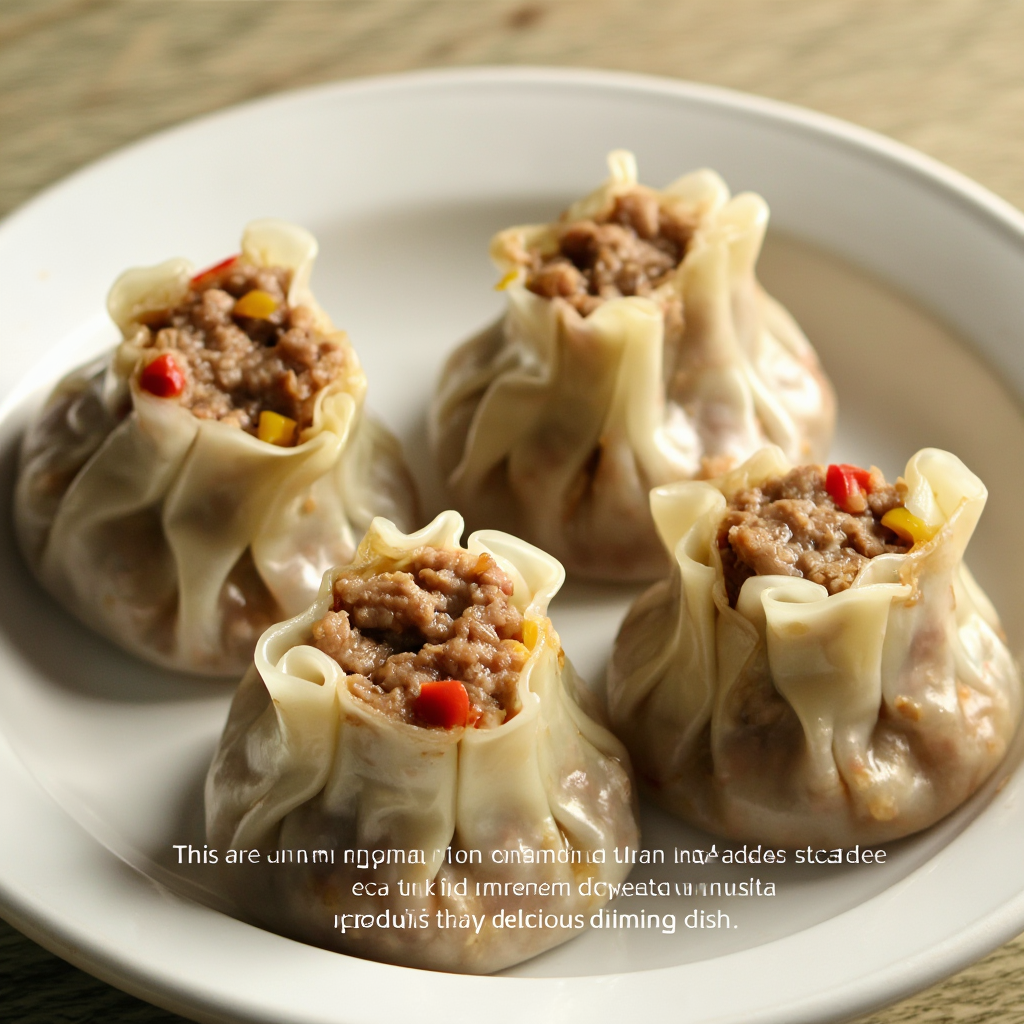
Crab and Pork Shumai
This is a yummy siomai recipe. Crab meat and ground pork are combined along with other ingredients to produce a delicious dimsum dish.
Instructions
- In a large mixing bowl, combine the pork and crab meat. Mix well using a spatula or long wooden spoon.
- Add the sesame oil, egg, salt, pepper, onions, and carrots. Continue to mix until all the ingredients are properly incorporated. You can even mix using your hand if you feel comfortable doing this.
- Scoop around 1 to 1 1/2 teaspoon of mixture and place at the middle of a wonton wrapper.
- Fold the wonton wrapper to cover all the sides. Make sure that you leave the top open. Do this step until you are down with the last shumai. If you need more guidance on this step, this pork siomai recipe cooking video might be helpful.
- Spray cooking oil on the base of a bamboo or metal steamer to avoid the shumai from sticking. I use Pam cooking oil spray all the time, but feel free to use whatever brand suits you. If you do not have a cooking oil spray around, you can spread about a tablespoon of cooking oil using a paper towel.
- Arrange the shumai on steamer. Make sure that you leave a little space in between each piece to prevent the shumai from sticking to each other.
- Pour the water into the steamer and let boil.
- Steam the crab and pork shumai for 20 to 25 minutes.
- Remove from the steamer and serve with ponzu or soy sauce and a lemon dip.
Kitchen Tools We Recommend
Cook Crab and Pork Shumai the easy way with the right tools. Shop our favorite kitchen essentials on Amazon — from reliable pots and pans to measuring tools that make Filipino cooking simpler.
🔥 Trending on Amazon right now — these products are selling fast. Check out what's climbing the charts.
As an Amazon Associate, I earn from qualifying purchases.
Pro Tips & Troubleshooting
- For oyster sauce dishes, add it at the end of cooking to preserve its savory depth.
- Use fresh seafood whenever possible — frozen releases excess water and dilutes the sauce.
- Pat fish dry with paper towels before frying to ensure a crisp, golden crust.
- Rinse shellfish thoroughly under cold water to remove sand and grit before cooking.
Cooking Tips
Pat shellfish dry before adding to the pan so they sear rather than steam. A hot, quick cook preserves their natural sweetness.
Substitutions
Short on time? A pressure cooker (Instant Pot) can reduce cooking time by roughly half for most braised and stewed Filipino dishes. Reduce liquid slightly since less evaporates.
Storage & Reheating
Seafood dishes are best consumed within 1–2 days. Reheat gently — microwave on low power or warm in a covered skillet over low heat to avoid overcooking.
Do not refreeze thawed seafood dishes. Once reheated, consume immediately and do not re-refrigerate.
Reheat on the stovetop over medium-low heat, adding a splash of water or broth if the sauce has thickened during storage. Microwave in 30-second bursts, stirring between each.
Comments (0)
Leave a comment