Pro Tips
**Chef's Tips & Troubleshooting:**
- For a more flavorful sinigang broth, use bone-in meat cuts and simmer for at least 45 minutes.
- Add the souring agent gradually and taste as you go to achieve the perfect sourness.
- Add leafy greens like kangkong in the last minute of cooking to keep them bright green.
- Use a heavy-bottomed pot for even heat distribution when braising beef.
Cooking Tips
Skim off any scum or impurities that rise to the surface during the first boil — this keeps the broth clear and clean-tasting. For the richest flavor, start with cold water and bring to a gentle simmer rather than a rolling boil. This extracts more depth from the meat and bones. Check liquid levels halfway through cooking and add hot water or broth if needed. Long-cooked dishes can dry out or burn if left unattended.
Ingredient Substitutions
Out of cane vinegar? White vinegar, apple cider vinegar, or rice vinegar all work — each brings its own subtle character. Avoid balsamic (too sweet) or distilled white (too harsh). Lemon or calamansi juice can replace vinegar in most marinades and braises. Add a pinch of sugar to balance the acidity. No fish sauce (patis)? Soy sauce or Worcestershire sauce are decent substitutes in cooked dishes. For a closer match, try anchovy paste dissolved in water. Beef alternatives: For stews, pork shoulder or oxtail provide similar richness. For steaks, try portobello mushrooms or cauliflower steaks for a vegetarian twist. Short on time? A pressure cooker (Instant Pot) can reduce cooking time by roughly half for most braised and stewed Filipino dishes. Reduce liquid slightly since less evaporates.
Storage & Reheating
Store in an airtight container in the refrigerator for up to 3–4 days. The flavors often deepen overnight, making leftovers even more delicious. This dish freezes exceptionally well — portion into freezer-safe containers and store for up to 3 months. Thaw overnight in the refrigerator before reheating. When reheating frozen portions, add a splash of water or broth to restore the original consistency, as some liquid is absorbed during storage. For soup/stew dishes, reheat on the stovetop over medium-low heat rather than the microwave. Gentle stovetop reheating preserves the texture of vegetables and meat.
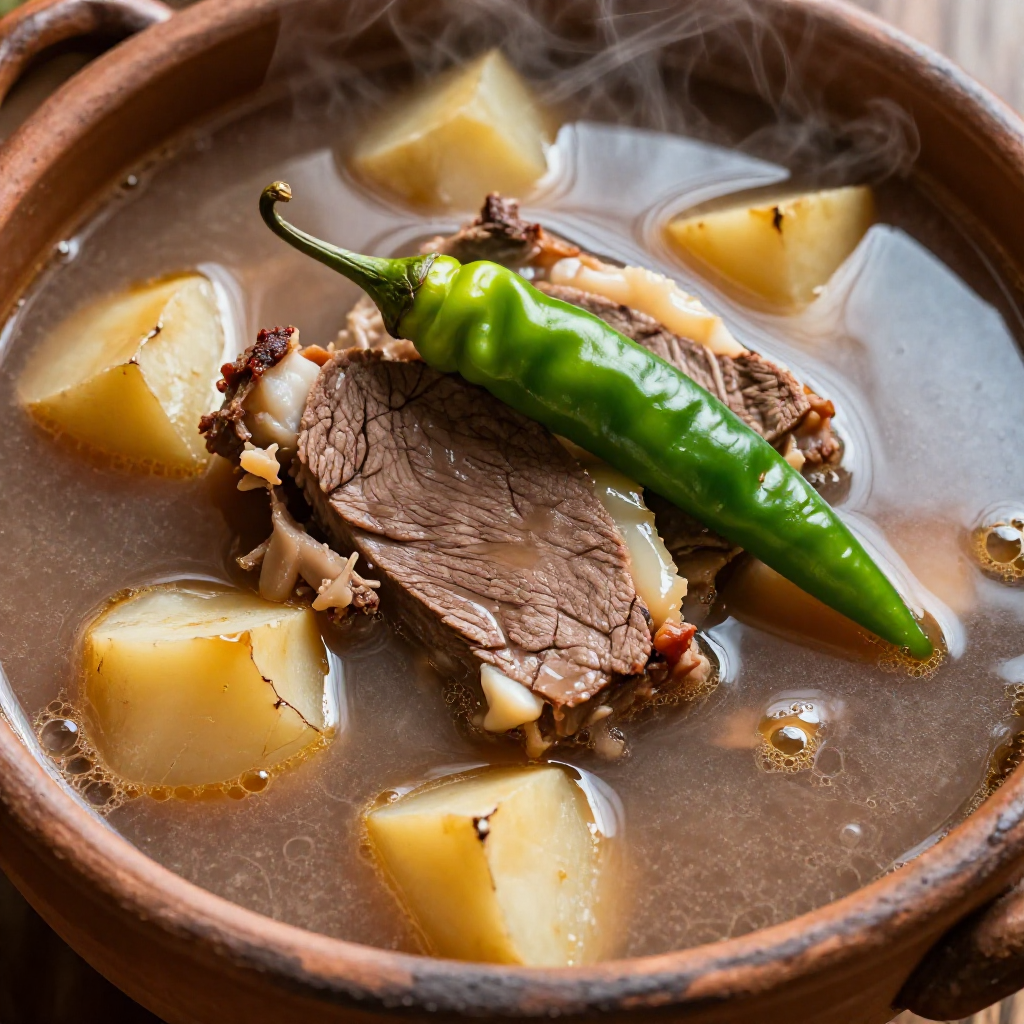
Corned Beef Sinigang
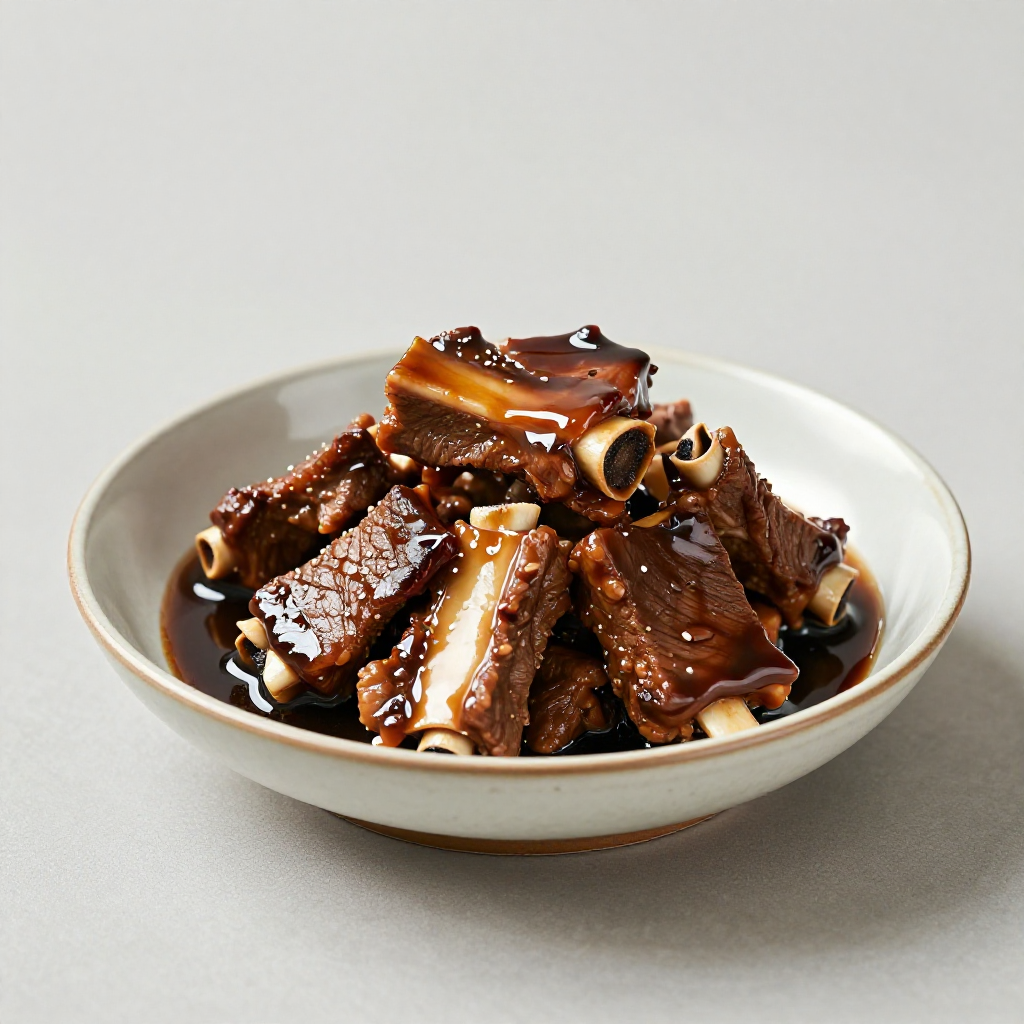
Corned Beef Sinigang — tender beef prepared in traditional Filipino style with local seasonings. A hearty and satisfying main dish.
Instructions
- Pour water into a cooking pot. Add tomato, onion, and corned beef. Let boil. Cover and cook between low to medium heat for 1 1/2 to 2 hours or until the beef becomes tender. Note: add more water as needed.
- Add Knorr Sinigang sa Sampaloc Mix. Stir.
- Add daikon radish, okra, eggplant, long green pepper, and snake beans.Cover and cook for 5 minutes.
- Season with with fish sauce and ground black pepper.
- Add Spinach. Turn off heat.
- Transfer to a serving bowl. Serve.
Kitchen Tools We Recommend
Cook Corned Beef Sinigang the easy way with the right tools. Shop our favorite kitchen essentials on Amazon — from reliable pots and pans to measuring tools that make Filipino cooking simpler.
🔥 Trending on Amazon right now — these products are selling fast. Check out what's climbing the charts.
As an Amazon Associate, I earn from qualifying purchases.
Pro Tips & Troubleshooting
- For a more flavorful sinigang broth, use bone-in meat cuts and simmer for at least 45 minutes.
- Add the souring agent gradually and taste as you go to achieve the perfect sourness.
- Add leafy greens like kangkong in the last minute of cooking to keep them bright green.
- Use a heavy-bottomed pot for even heat distribution when braising beef.
Cooking Tips
For the richest flavor, start with cold water and bring to a gentle simmer rather than a rolling boil. This extracts more depth from the meat and bones.
Check liquid levels halfway through cooking and add hot water or broth if needed. Long-cooked dishes can dry out or burn if left unattended.
Substitutions
Lemon or calamansi juice can replace vinegar in most marinades and braises. Add a pinch of sugar to balance the acidity.
No fish sauce (patis)? Soy sauce or Worcestershire sauce are decent substitutes in cooked dishes. For a closer match, try anchovy paste dissolved in water.
Beef alternatives: For stews, pork shoulder or oxtail provide similar richness. For steaks, try portobello mushrooms or cauliflower steaks for a vegetarian twist.
Short on time? A pressure cooker (Instant Pot) can reduce cooking time by roughly half for most braised and stewed Filipino dishes. Reduce liquid slightly since less evaporates.
Storage & Reheating
This dish freezes exceptionally well — portion into freezer-safe containers and store for up to 3 months. Thaw overnight in the refrigerator before reheating.
When reheating frozen portions, add a splash of water or broth to restore the original consistency, as some liquid is absorbed during storage.
For soup/stew dishes, reheat on the stovetop over medium-low heat rather than the microwave. Gentle stovetop reheating preserves the texture of vegetables and meat.
Comments (0)
Leave a comment