Pro Tips
**Chef's Tips & Troubleshooting:**
- For beef soups, boil the bones first, drain, and rinse before adding fresh water for a clearer broth.
- Use a meat thermometer to check doneness: 130°F for medium-rare, 160°F for well-done.
- Add root vegetables like potatoes and carrots in the last 20 minutes so they do not turn mushy.
- For oxtail or beef shanks, the connective tissue needs prolonged simmering to become gelatinous and tender.
Cooking Tips
Slice beef against the grain for the most tender bite every time. Look for the long muscle fibers and cut perpendicular to them. For tough cuts like chuck or brisket, cook low and slow — low heat over a longer time breaks down collagen into rich, silky gelatin. Have all your ingredients prepped and measured before you start cooking — quick dishes leave no time for chopping mid-recipe.
Ingredient Substitutions
Beef alternatives: For stews, pork shoulder or oxtail provide similar richness. For steaks, try portobello mushrooms or cauliflower steaks for a vegetarian twist. Short on time? A pressure cooker (Instant Pot) can reduce cooking time by roughly half for most braised and stewed Filipino dishes. Reduce liquid slightly since less evaporates.
Storage & Reheating
Store in an airtight container in the refrigerator for up to 3–4 days. The flavors often deepen overnight, making leftovers even more delicious. Reheat on the stovetop over medium-low heat, adding a splash of water or broth if the sauce has thickened during storage. Microwave in 30-second bursts, stirring between each.
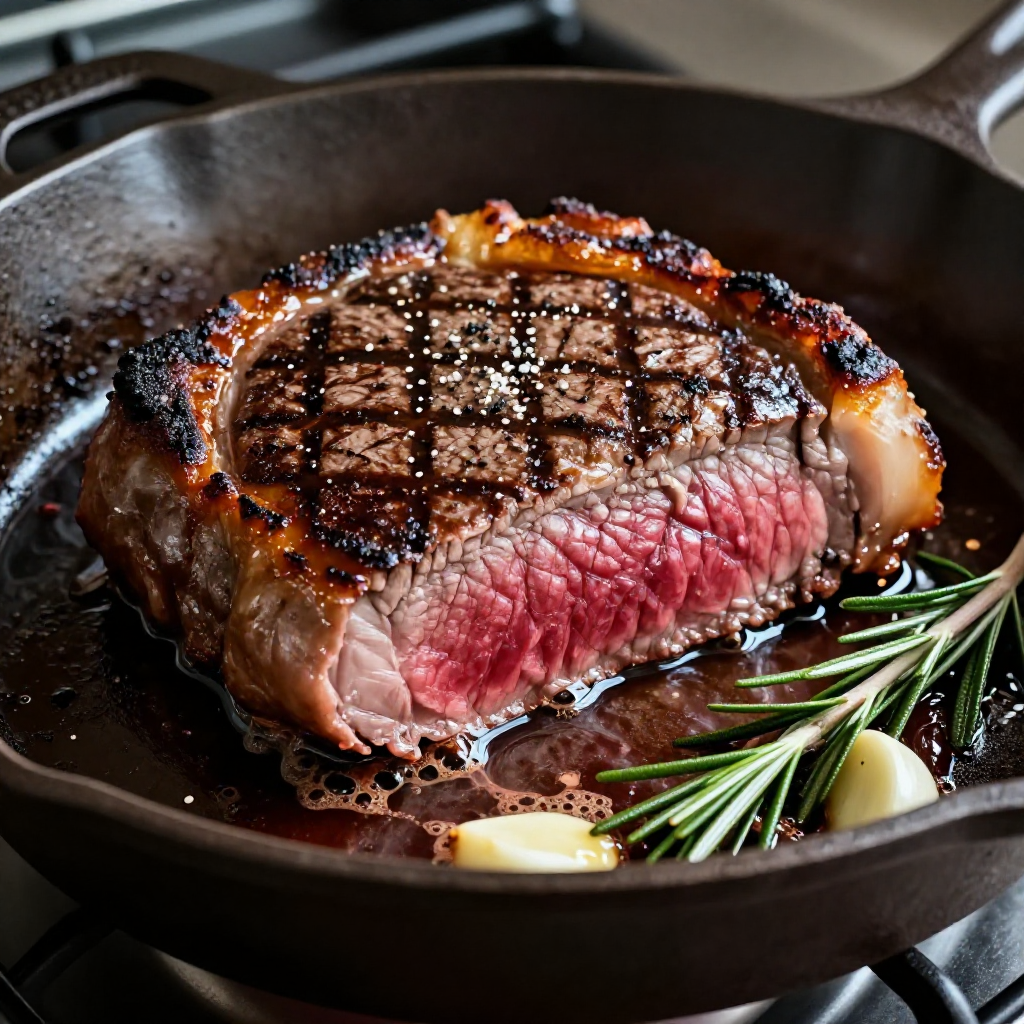
Steak on the Stove Top
Stove-top steak — a perfect pan-seared steak with a butter-basted crust. No grill needed, just a hot cast iron and good technique.
Instructions
- Rub salt and pepper allover the steak.You can also use your favorite steak rub.
- Before pan-frying steak, it is a good idea to rub it in a bit of oil first.
- In a large skillet, heat a tablespoon or two of cooking oil. If you like your steak rare set the heat to high. If you prefer yours medium, adjust to medium heat.
- Wait until the oil is sizzling hot and add the steak. Cook meat until it forms a brown crust, turn it over and cook on the other side. Avoid moving steak while it is cooking.
- Watch the juices. If there are juices on top of the steak after cooking both sides, it is still rare. The best way to continue cooking it is either transferring it to the oven, or wrapping it in foil to cook until medium rare.
- Serve.
Kitchen Tools We Recommend
Cook Steak on the Stove Top the easy way with the right tools. Shop our favorite kitchen essentials on Amazon — from reliable pots and pans to measuring tools that make Filipino cooking simpler.
🔥 Trending on Amazon right now — these products are selling fast. Check out what's climbing the charts.
As an Amazon Associate, I earn from qualifying purchases.
Pro Tips & Troubleshooting
- For beef soups, boil the bones first, drain, and rinse before adding fresh water for a clearer broth.
- Use a meat thermometer to check doneness: 130°F for medium-rare, 160°F for well-done.
- Add root vegetables like potatoes and carrots in the last 20 minutes so they do not turn mushy.
- For oxtail or beef shanks, the connective tissue needs prolonged simmering to become gelatinous and tender.
Cooking Tips
For tough cuts like chuck or brisket, cook low and slow — low heat over a longer time breaks down collagen into rich, silky gelatin.
Have all your ingredients prepped and measured before you start cooking — quick dishes leave no time for chopping mid-recipe.
Substitutions
Short on time? A pressure cooker (Instant Pot) can reduce cooking time by roughly half for most braised and stewed Filipino dishes. Reduce liquid slightly since less evaporates.
Storage & Reheating
Reheat on the stovetop over medium-low heat, adding a splash of water or broth if the sauce has thickened during storage. Microwave in 30-second bursts, stirring between each.
Comments (0)
Leave a comment