Pro Tips
The key to great bulalo is the double-boil method — starting, draining, and restarting ensures a clear, clean-tasting broth. Low and slow is essential; boiling will make the meat tough. Buntal leaves give authentic sourness, but tamarind paste is a widely available substitute. Adding malunggay at the very end preserves its nutrients and vibrant color.
Cooking Tips
Skim off any scum or impurities that rise to the surface during the first boil — this keeps the broth clear and clean-tasting. For the richest flavor, start with cold water and bring to a gentle simmer rather than a rolling boil. This extracts more depth from the meat and bones. Check liquid levels halfway through cooking and add hot water or broth if needed. Long-cooked dishes can dry out or burn if left unattended.
Ingredient Substitutions
Pork alternatives: Chicken thighs work well in most pork recipes (they stay moist like pork does). For a leaner option, use turkey breast or firm tofu. Short on time? A pressure cooker (Instant Pot) can reduce cooking time by roughly half for most braised and stewed Filipino dishes. Reduce liquid slightly since less evaporates.
Storage & Reheating
Store in an airtight container in the refrigerator for up to 3–4 days. The flavors often deepen overnight, making leftovers even more delicious. This dish freezes exceptionally well — portion into freezer-safe containers and store for up to 3 months. Thaw overnight in the refrigerator before reheating. When reheating frozen portions, add a splash of water or broth to restore the original consistency, as some liquid is absorbed during storage. Reheat on the stovetop over medium-low heat, adding a splash of water or broth if the sauce has thickened during storage. Microwave in 30-second bursts, stirring between each.
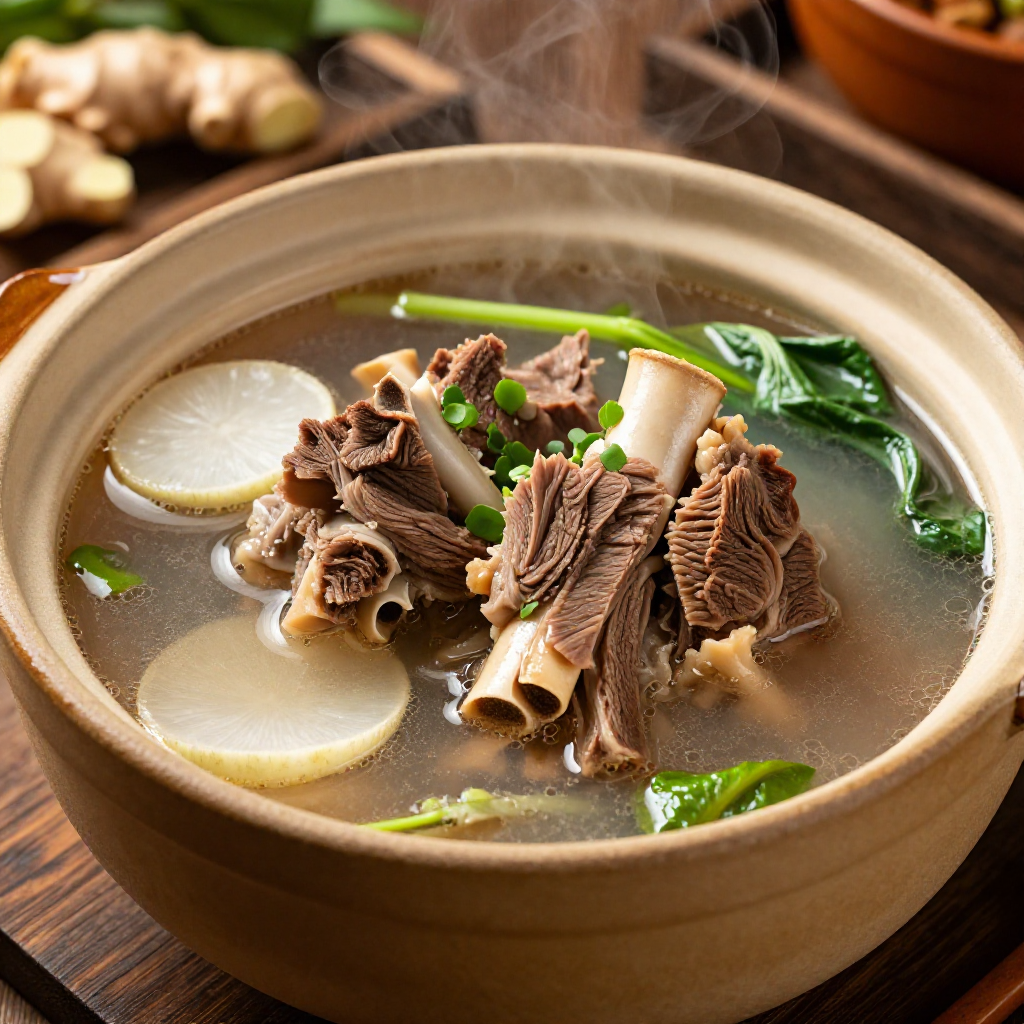
Bulalo na Baboy sa Mankutek
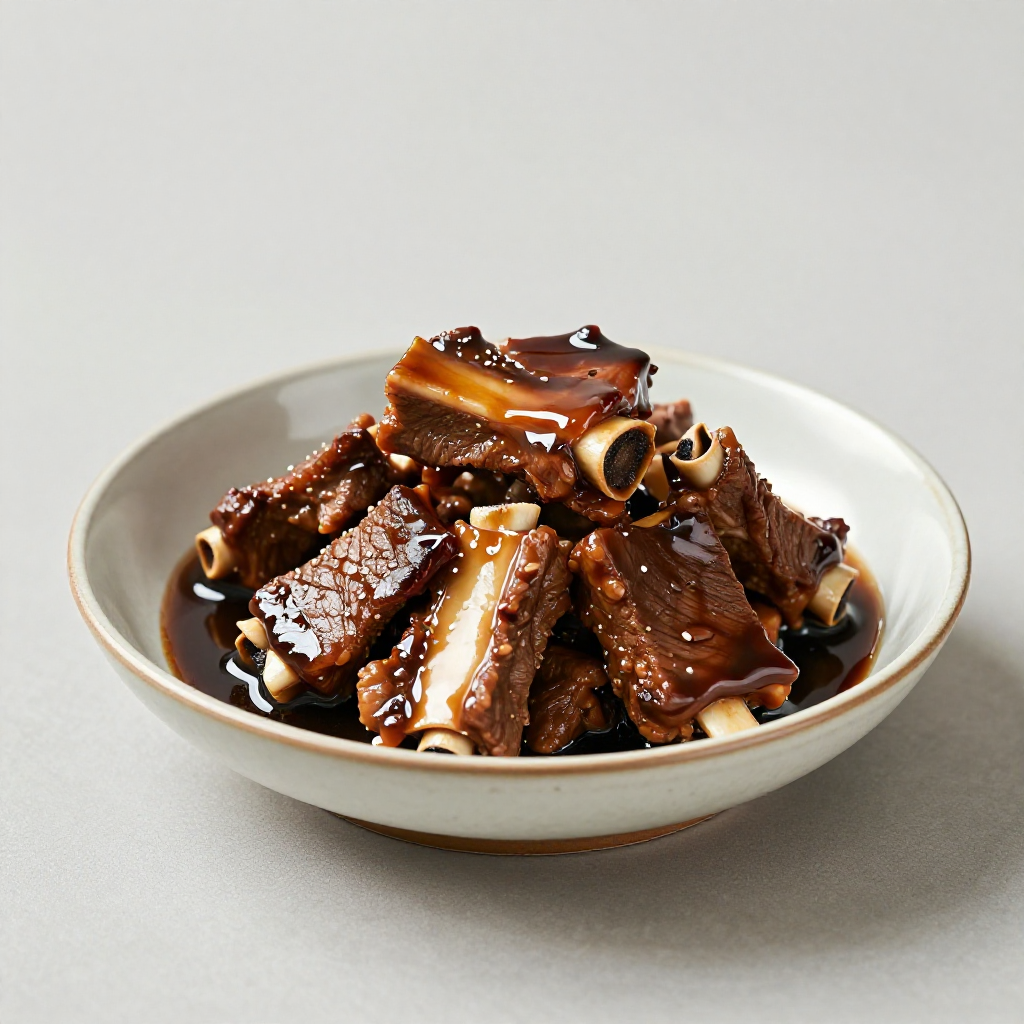
Bulalo na Baboy sa Mankutek is a hearty Cordilleran-style beef and pork shank soup slow-cooked with wild mountain vegetables, ginger, and a souring agent made from buntal leaves. This rich, savory broth is a staple of the highland communities of Kalinga and Mountain Province, where it's prepared for celebrations and cold mountain mornings. The long simmering tenderizes tough cuts of meat and extracts deep flavors from the bones.
Instructions
- In a large pot, cover the beef shanks and pork bones with cold water. Bring to a boil, then immediately drain the water and rinse the pot. This removes impurities for a clearer broth.
- Return the meat and bones to the clean pot and add fresh water. Add the ginger slices, bay leaves, crushed garlic, and halved onion.
- Bring to a boil, then reduce to the lowest possible simmer. Skim off any foam that rises to the surface during the first 30 minutes.
- Cover and simmer gently for at least 2 hours, or until the beef is fork-tender. Add more hot water if the level drops too low.
- After 2 hours, add the radish and green papaya if using. Simmer for another 20 minutes until the radish is tender.
- Add the string beans and quartered tomatoes. Simmer for another 10-15 minutes.
- Stir in the buntal souring leaves or tamarind paste. Season with salt and ground black pepper to taste.
- Just before serving, stir in the fresh malunggay leaves. Ladle into deep bowls, ensuring each serving gets bone-in meat and vegetables. Serve with plenty of steamed rice.
Kitchen Tools We Recommend
Cook Bulalo na Baboy sa Mankutek the easy way with the right tools. Shop our favorite kitchen essentials on Amazon — from reliable pots and pans to measuring tools that make Filipino cooking simpler.
🔥 Trending on Amazon right now — these products are selling fast. Check out what's climbing the charts.
As an Amazon Associate, I earn from qualifying purchases.
Pro Tips & Troubleshooting
Cooking Tips
For the richest flavor, start with cold water and bring to a gentle simmer rather than a rolling boil. This extracts more depth from the meat and bones.
Check liquid levels halfway through cooking and add hot water or broth if needed. Long-cooked dishes can dry out or burn if left unattended.
Substitutions
Short on time? A pressure cooker (Instant Pot) can reduce cooking time by roughly half for most braised and stewed Filipino dishes. Reduce liquid slightly since less evaporates.
Storage & Reheating
This dish freezes exceptionally well — portion into freezer-safe containers and store for up to 3 months. Thaw overnight in the refrigerator before reheating.
When reheating frozen portions, add a splash of water or broth to restore the original consistency, as some liquid is absorbed during storage.
Reheat on the stovetop over medium-low heat, adding a splash of water or broth if the sauce has thickened during storage. Microwave in 30-second bursts, stirring between each.
Comments (0)
Leave a comment