Pro Tips
**Chef's Tips & Troubleshooting:**
- Use a good quality bagoong; it's the star of this dish and cheap brands can be overwhelmingly salty.
- Toast the shrimp paste in oil before adding other ingredients — it removes the raw fishy taste.
- Rinse the shrimp paste briefly if it's too salty, then pat dry before cooking.
Cooking Tips
Pat the meat completely dry with paper towels before frying — moisture is the enemy of crispiness. Use a thermometer to maintain oil temperature at 350–375°F (175–190°C). If the oil is too cool, the food absorbs grease; too hot and it burns on the outside before cooking through. Have all your ingredients prepped and measured before you start cooking — quick dishes leave no time for chopping mid-recipe.
Ingredient Substitutions
Short on time? A pressure cooker (Instant Pot) can reduce cooking time by roughly half for most braised and stewed Filipino dishes. Reduce liquid slightly since less evaporates.
Storage & Reheating
Store in an airtight container in the refrigerator for up to 3–4 days. The flavors often deepen overnight, making leftovers even more delicious. Crispy dishes are best enjoyed fresh — they lose their crunch when stored. If you must store leftovers, reheat in an air fryer or oven at 375°F (190°C) for 5–7 minutes to restore crispiness. Avoid microwaving crispy dishes — the steam makes the coating soggy. Use a toaster oven or stovetop skillet instead. Reheat on the stovetop over medium-low heat, adding a splash of water or broth if the sauce has thickened during storage. Microwave in 30-second bursts, stirring between each.
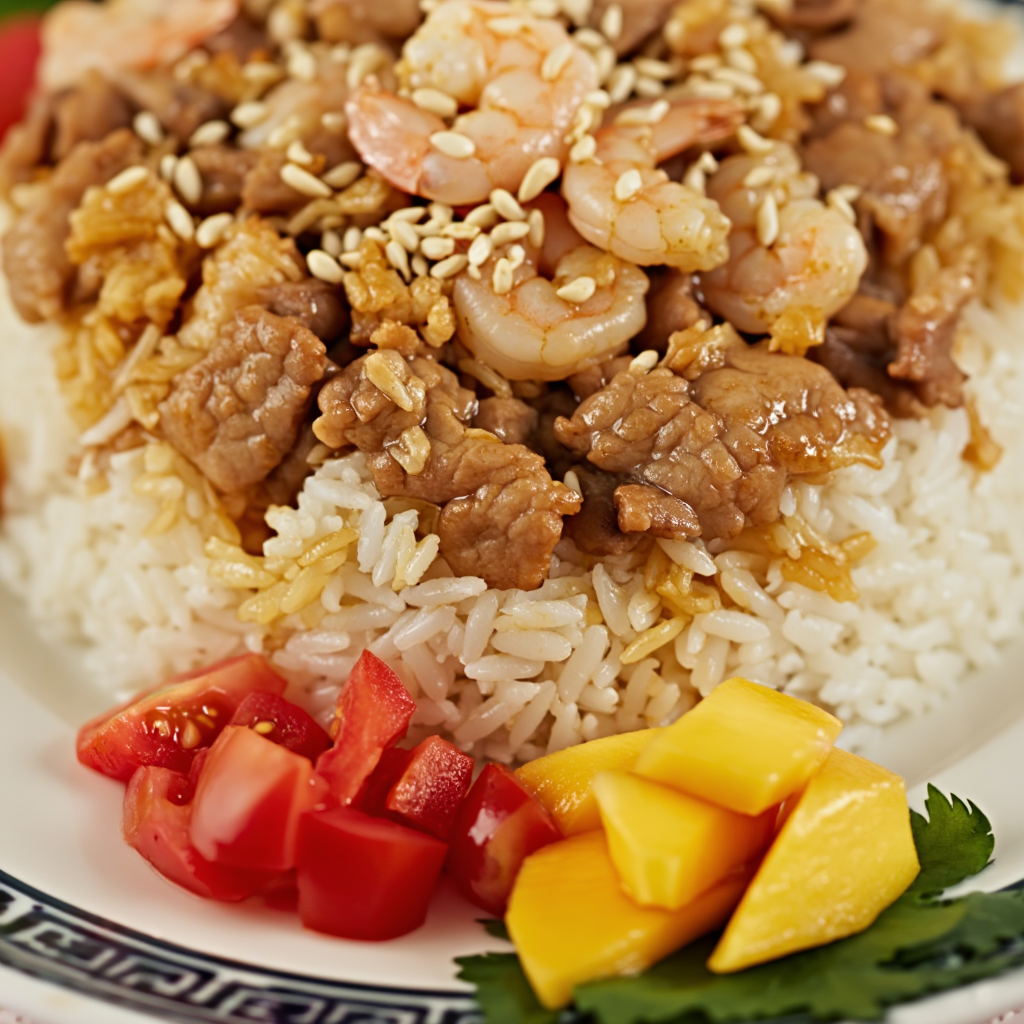
Binagoongan Fried Rice
Binagoongan Fried Rice is a great use for day-old rice! Seasoned with shrimp paste and tasty pork, it's a full-flavored side dish or complete meal best enjoyed with chopped juicy tomatoes and tart mangoes.
Instructions
- With hands, break rice until grains are separated and lump-free. Set it aside.
- Get a pan - medium heat and warm up oil. Add pork belly and Cook it until it gets lightly browned and cooked through.
- Sauté garlic, onion until they soften and smell nice.
- Incorporate tomatoes and cook, mashing regularly with the back of the spoon, until softened.
- Add "ginisang" (sauteed) shrimp paste and cook for 1 to 2 minutes. Take them out of the pan.
- If using "Raw" shrimp paste, Add shrimp paste and Cook, stirring now and then, for about 3 to 5 minutes or until color darkens and browns. Add vinegar and sugar and allow to boil, without stirring, for about 1 to 2 minutes. Keep cooking, stirring occasionally, until most of the liquid is absorbed. Take them out of the pan.
- Heat a wok or wide skillet on high heat until very hot. Add 1 tablespoon of oil and swirl to coat bottom of the skillet and heat oil until the bottom of pan appears to shimmer.
- Toss in the rice and spread on entire cooking surface of pan for about 45 seconds or until grains start to sizzle and then toss to redistribute, breaking apart pieces with back of spoon.
- Spread rice on surface again for about 45 seconds and then toss to redistribute. Repeat a few times until rice is lightly toasted and heated through.
- Add pork and shrimp paste mixture. Keep cooking, tossing gently to combine, for about 1 to 2 minutes until rice is coated with shrimp paste and heated through.
- Move it to a serving platter and garnish with julienned mangoes and chopped green onions. Serve while hot.
Kitchen Tools We Recommend
Cook Binagoongan Fried Rice the easy way with the right tools. Shop our favorite kitchen essentials on Amazon — from reliable pots and pans to measuring tools that make Filipino cooking simpler.
🔥 Trending on Amazon right now — these products are selling fast. Check out what's climbing the charts.
As an Amazon Associate, I earn from qualifying purchases.
Pro Tips & Troubleshooting
- Use a good quality bagoong; it's the star of this dish and cheap brands can be overwhelmingly salty.
- Toast the shrimp paste in oil before adding other ingredients — it removes the raw fishy taste.
- Rinse the shrimp paste briefly if it's too salty, then pat dry before cooking.
Cooking Tips
Use a thermometer to maintain oil temperature at 350–375°F (175–190°C). If the oil is too cool, the food absorbs grease; too hot and it burns on the outside before cooking through.
Have all your ingredients prepped and measured before you start cooking — quick dishes leave no time for chopping mid-recipe.
Substitutions
Storage & Reheating
Crispy dishes are best enjoyed fresh — they lose their crunch when stored. If you must store leftovers, reheat in an air fryer or oven at 375°F (190°C) for 5–7 minutes to restore crispiness.
Avoid microwaving crispy dishes — the steam makes the coating soggy. Use a toaster oven or stovetop skillet instead.
Reheat on the stovetop over medium-low heat, adding a splash of water or broth if the sauce has thickened during storage. Microwave in 30-second bursts, stirring between each.
Comments (0)
Leave a comment