Pro Tips
**Chef's Tips & Troubleshooting:**
- Simmer coconut milk gently — boiling it on high heat can cause it to separate and curdle.
- Stir coconut milk dishes occasionally to prevent a skin from forming on the surface.
- Let the dessert cool completely before slicing or serving for the best texture.
- For caramel, use a light-colored pan to monitor the color change and prevent burning.
Cooking Tips
For the most tender results, cook low and slow — a gentle simmer (not a vigorous boil) breaks down connective tissue without drying out the meat. Taste and adjust seasoning toward the end of cooking. As liquids reduce, flavors concentrate, so what tastes balanced early may become too salty later.
Ingredient Substitutions
No coconut milk? For a richer alternative, blend canned coconut cream with water (1:1). For a lighter option, use evaporated milk with a splash of coconut extract. In a pinch, heavy cream or full-fat milk can replace coconut milk — the texture will be similar though the flavor profile changes. Short on time? A pressure cooker (Instant Pot) can reduce cooking time by roughly half for most braised and stewed Filipino dishes. Reduce liquid slightly since less evaporates.
Storage & Reheating
Store in an airtight container in the refrigerator for up to 3–4 days. The flavors often deepen overnight, making leftovers even more delicious. Store desserts in a sealed container at room temperature for up to 2 days, or refrigerate for up to a week. Let chilled desserts come to room temperature before serving for the best texture and flavor. Reheat on the stovetop over medium-low heat, adding a splash of water or broth if the sauce has thickened during storage. Microwave in 30-second bursts, stirring between each.
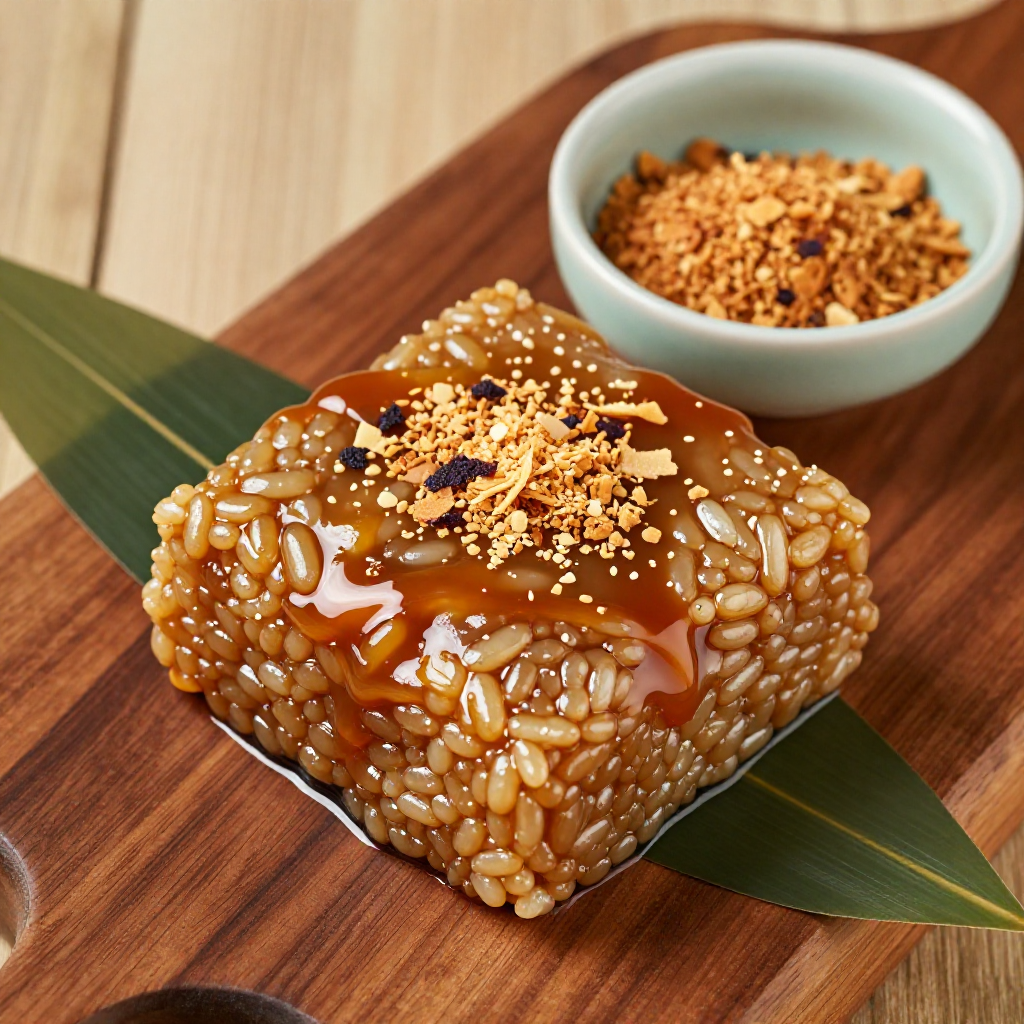
Biko with Latik
Filipino rice cake made from glutinous rice and brown sugar topped with savory coconut milk residue.
Instructions
- Prepare latik by boiling 2 cups coconut milk in a saucepan. Adjust heat to medium. Continue boiling while stirring until texture thickens. Lower the heat once oil becomes visible. Cook and stir constantly until the color of the residue turns golden brown (note: latik is the residue formed after boiling coconut milk). Separate the oil from the latik using a strainer or filter paper. Set aside.
- Start making the biko by combining glutinous rice and water in a rice cooker. Set the cooker to “cook” mode. Wait until the process is complete.
- Boil 4 cups coconut milk in a cooking pot for 7 minutes.
- Add brown sugar and salt. Stir.
- Add cooked rice. Stir until well blended. Continue cooking while stirring until rice absorbs the coconut milk mixture completely.
- Line banana leaves over a baking tray. Brush coconut oil over the leaves.
- Move to biko into the tray once the consistency becomes thick and sticky (paste-like). Top with latik. Let it cool down for at least 15 minutes.
- Serve.
Kitchen Tools We Recommend
Cook Biko with Latik the easy way with the right tools. Shop our favorite kitchen essentials on Amazon — from reliable pots and pans to measuring tools that make Filipino cooking simpler.
🔥 Trending on Amazon right now — these products are selling fast. Check out what's climbing the charts.
As an Amazon Associate, I earn from qualifying purchases.
Pro Tips & Troubleshooting
- Simmer coconut milk gently — boiling it on high heat can cause it to separate and curdle.
- Stir coconut milk dishes occasionally to prevent a skin from forming on the surface.
- Let the dessert cool completely before slicing or serving for the best texture.
- For caramel, use a light-colored pan to monitor the color change and prevent burning.
Cooking Tips
Taste and adjust seasoning toward the end of cooking. As liquids reduce, flavors concentrate, so what tastes balanced early may become too salty later.
Substitutions
In a pinch, heavy cream or full-fat milk can replace coconut milk — the texture will be similar though the flavor profile changes.
Short on time? A pressure cooker (Instant Pot) can reduce cooking time by roughly half for most braised and stewed Filipino dishes. Reduce liquid slightly since less evaporates.
Storage & Reheating
Store desserts in a sealed container at room temperature for up to 2 days, or refrigerate for up to a week. Let chilled desserts come to room temperature before serving for the best texture and flavor.
Reheat on the stovetop over medium-low heat, adding a splash of water or broth if the sauce has thickened during storage. Microwave in 30-second bursts, stirring between each.

Comments (0)
Leave a comment