Pro Tips
**Chef's Tips & Troubleshooting:**
- Let the stew rest for 10 minutes after cooking — the flavors deepen noticeably as it sits.
- Cook tomato-based stews until the oil separates and rises to the surface for maximum flavor concentration.
- Brown the beef in small batches — crowding the pan causes steaming instead of searing.
- For beef stew, let it cool completely and refrigerate overnight — the flavor deepens significantly.
Cooking Tips
For the most tender results, cook low and slow — a gentle simmer (not a vigorous boil) breaks down connective tissue without drying out the meat. Taste and adjust seasoning toward the end of cooking. As liquids reduce, flavors concentrate, so what tastes balanced early may become too salty later. Check liquid levels halfway through cooking and add hot water or broth if needed. Long-cooked dishes can dry out or burn if left unattended.
Ingredient Substitutions
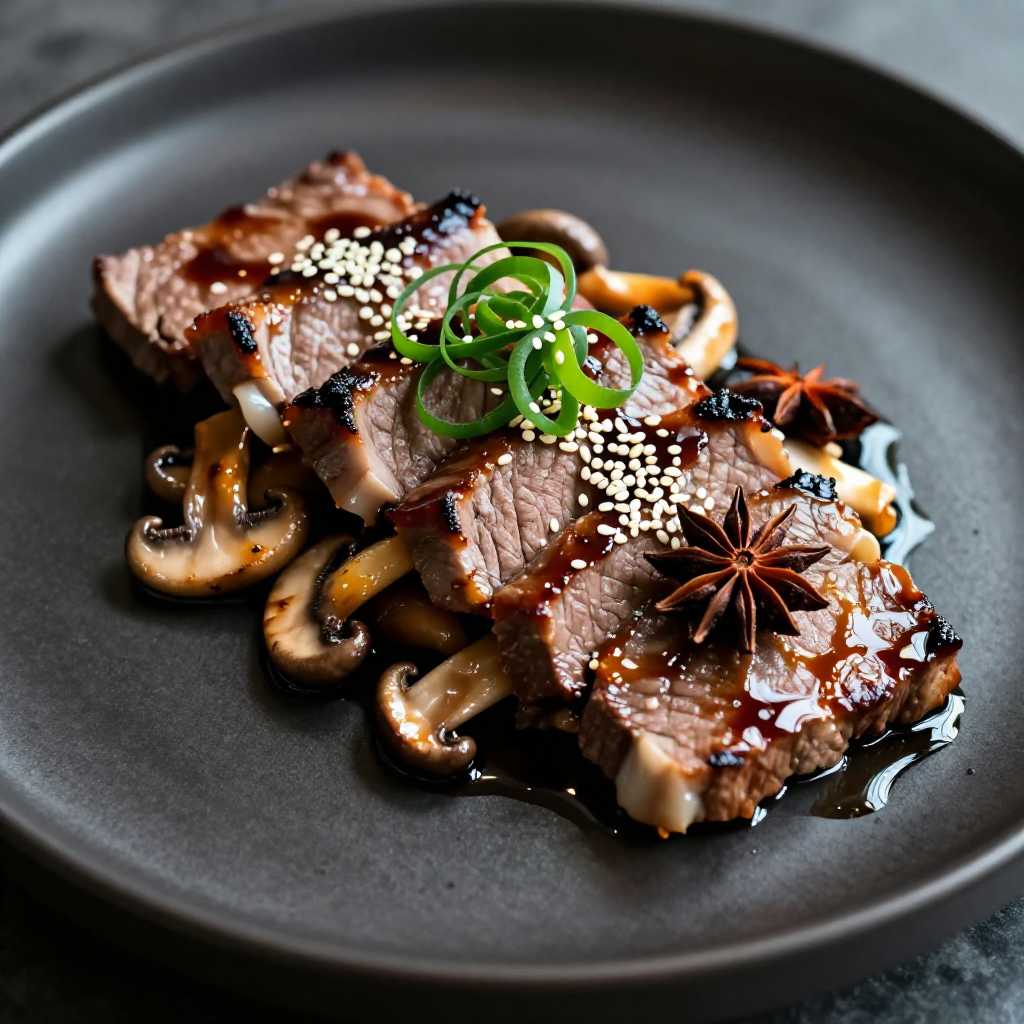
Beef alternatives: For stews, pork shoulder or oxtail provide similar richness. For steaks, try portobello mushrooms or cauliflower steaks for a vegetarian twist. Short on time? A pressure cooker (Instant Pot) can reduce cooking time by roughly half for most braised and stewed Filipino dishes. Reduce liquid slightly since less evaporates.
Storage & Reheating
Store in an airtight container in the refrigerator for up to 3–4 days. The flavors often deepen overnight, making leftovers even more delicious. Reheat on the stovetop over medium-low heat, adding a splash of water or broth if the sauce has thickened during storage. Microwave in 30-second bursts, stirring between each.

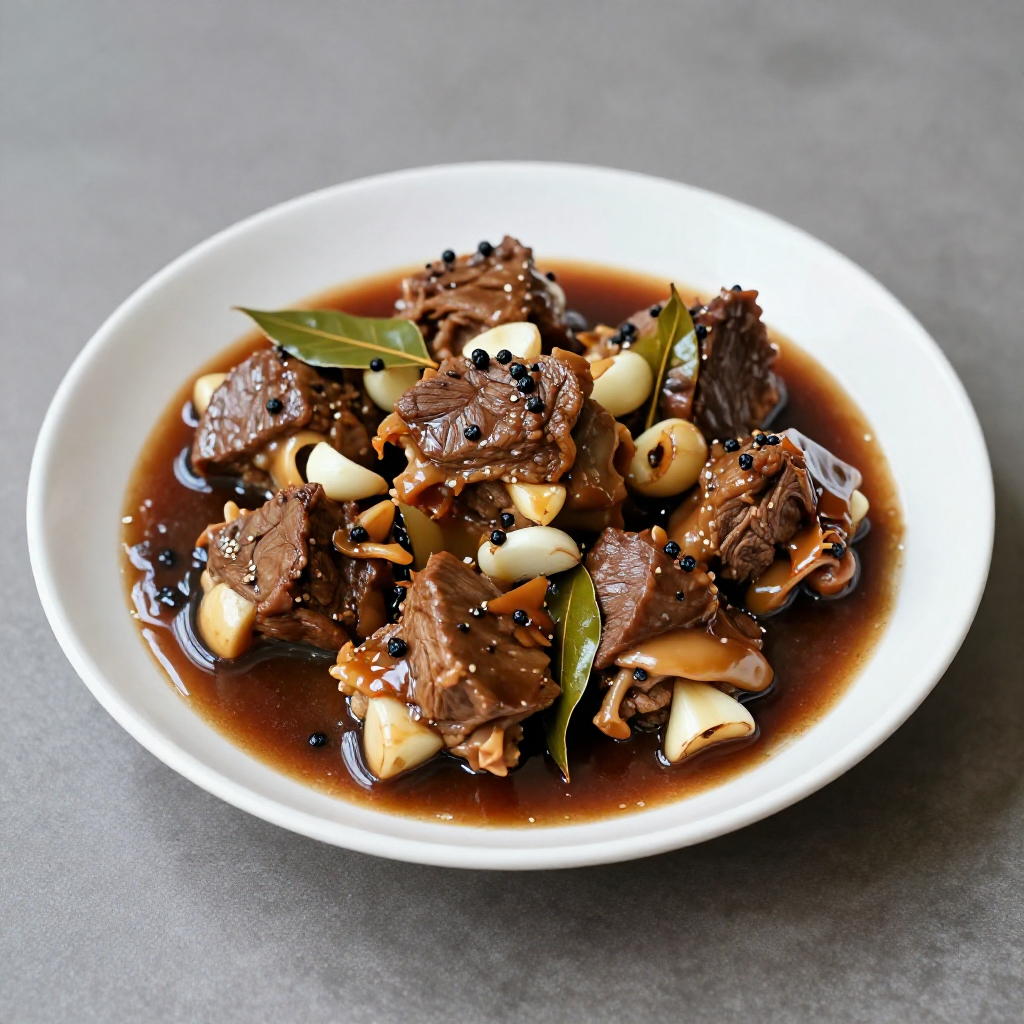
Beef Stew
Beef chunks slow-simmered in a rich tomato and vegetable stew. A hearty, comforting Filipino dish with tender meat and root vegetables.
Instructions
- Warm up oil in a pot.
- Sear the beef, add onion, garlic, bay leaves, ground cloves, and paprika. Stir and cook for 2 minutes.
- Pour-in beef broth and let boil. Simmer until beef becomes tender.Note: This can take up to more than 1 hour depending on the meat that you will use. Add water as needed.
- Incorporate celery ribs, carrots, potatoes, salt, and pepper. Stir and cook for 6 to 10 minutes.
- Pour-in diluted cornstarch. Stir and cook for a minute more.
- Turn off heat and transfer to a serving bowl.
- Serve.
Kitchen Tools We Recommend
Cook Beef Stew the easy way with the right tools. Shop our favorite kitchen essentials on Amazon — from reliable pots and pans to measuring tools that make Filipino cooking simpler.
🔥 Trending on Amazon right now — these products are selling fast. Check out what's climbing the charts.
As an Amazon Associate, I earn from qualifying purchases.
Pro Tips & Troubleshooting
- Let the stew rest for 10 minutes after cooking — the flavors deepen noticeably as it sits.
- Cook tomato-based stews until the oil separates and rises to the surface for maximum flavor concentration.
- Brown the beef in small batches — crowding the pan causes steaming instead of searing.
- For beef stew, let it cool completely and refrigerate overnight — the flavor deepens significantly.
Cooking Tips
Taste and adjust seasoning toward the end of cooking. As liquids reduce, flavors concentrate, so what tastes balanced early may become too salty later.
Check liquid levels halfway through cooking and add hot water or broth if needed. Long-cooked dishes can dry out or burn if left unattended.
Substitutions
Short on time? A pressure cooker (Instant Pot) can reduce cooking time by roughly half for most braised and stewed Filipino dishes. Reduce liquid slightly since less evaporates.
Storage & Reheating
Reheat on the stovetop over medium-low heat, adding a splash of water or broth if the sauce has thickened during storage. Microwave in 30-second bursts, stirring between each.
Comments (0)
Leave a comment