Pro Tips
**Chef's Tips & Troubleshooting:**
- Let the stew rest for 10 minutes after cooking — the flavors deepen noticeably as it sits.
- Cook tomato-based stews until the oil separates and rises to the surface for maximum flavor concentration.
- For oxtail or beef shanks, the connective tissue needs prolonged simmering to become gelatinous and tender.
- For beef soups, boil the bones first, drain, and rinse before adding fresh water for a clearer broth.
Cooking Tips
For the most tender results, cook low and slow — a gentle simmer (not a vigorous boil) breaks down connective tissue without drying out the meat. Taste and adjust seasoning toward the end of cooking. As liquids reduce, flavors concentrate, so what tastes balanced early may become too salty later.
Ingredient Substitutions
No soy sauce? Use tamari (gluten-free), coconut aminos (paleo-friendly), or a mix of fish sauce and water for a different but delicious umami profile. For a low-sodium version, use light soy sauce or dilute regular soy sauce with a splash of water or broth. Beef alternatives: For stews, pork shoulder or oxtail provide similar richness. For steaks, try portobello mushrooms or cauliflower steaks for a vegetarian twist. Short on time? A pressure cooker (Instant Pot) can reduce cooking time by roughly half for most braised and stewed Filipino dishes. Reduce liquid slightly since less evaporates.
Storage & Reheating
Store in an airtight container in the refrigerator for up to 3–4 days. The flavors often deepen overnight, making leftovers even more delicious. Reheat on the stovetop over medium-low heat, adding a splash of water or broth if the sauce has thickened during storage. Microwave in 30-second bursts, stirring between each.
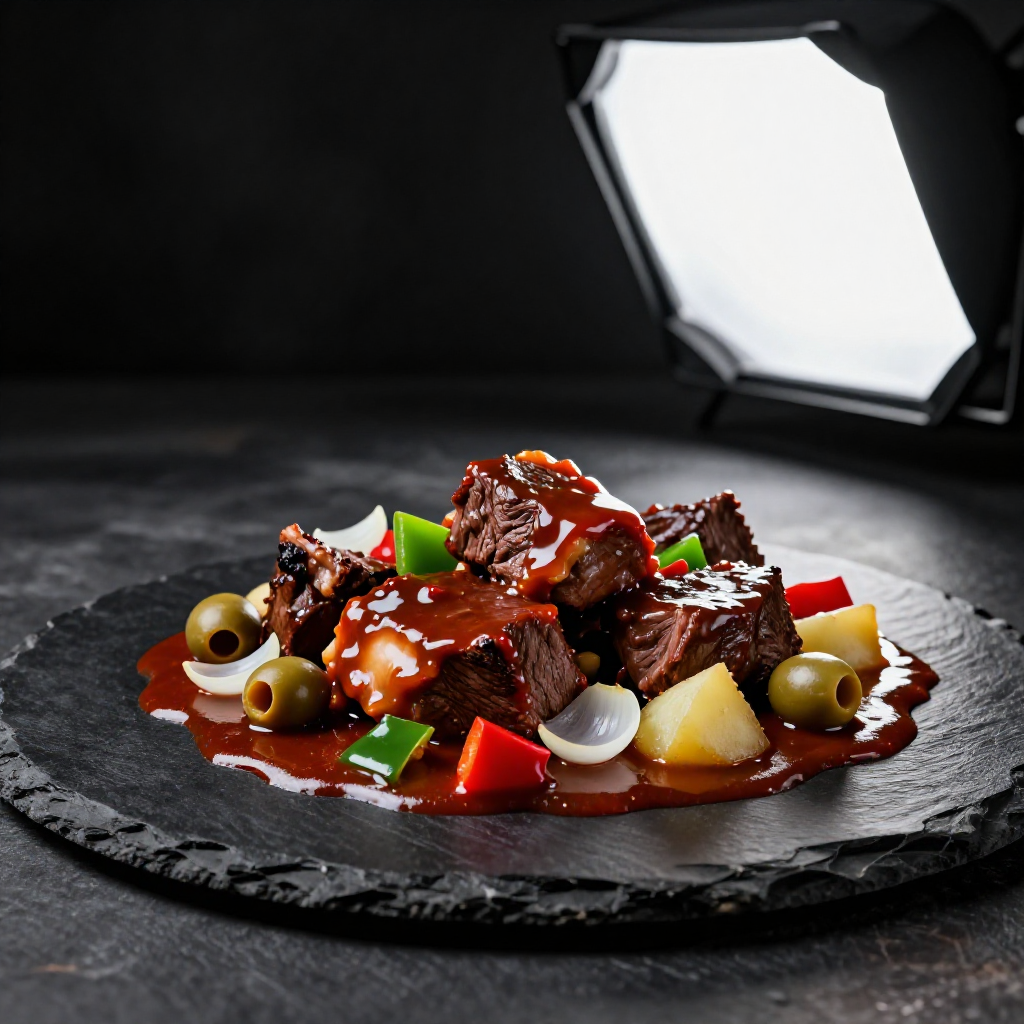
Beef Kaldereta
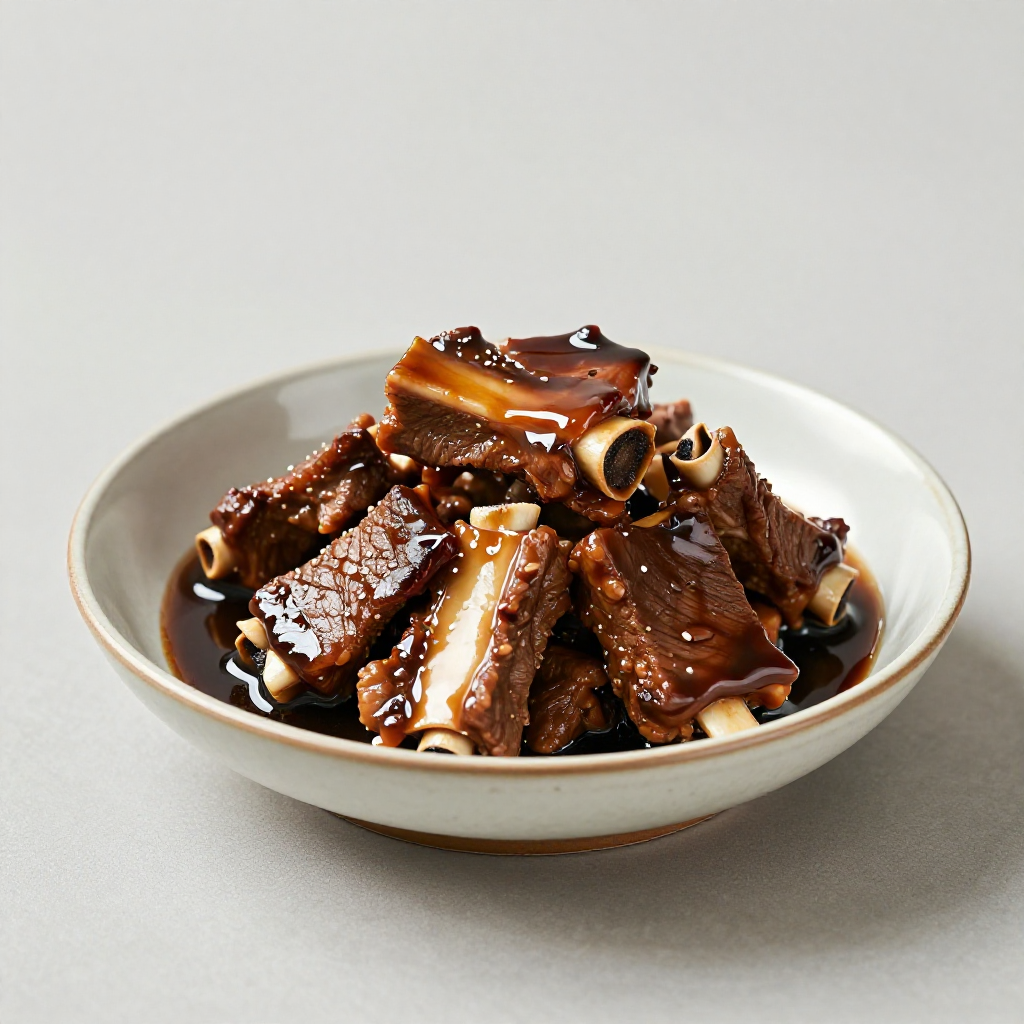
Beef Kaldereta is a rich and hearty Filipino tomato-based stew made with tender beef, potatoes, carrots, bell peppers, and green olives, thickened with liver spread for a deep, savory flavor. This comforting dish is best served hot over steamed white rice.
Instructions
- Mix together the beef and soy sauce in a bowl. Mix well and marinate for 30 minutes.
- Heat the cooking oil in a large pot or pressure cooker. Sauté the garlic and onion until fragrant, about 1 to 2 minutes.
- Add the marinated beef. Cook while stirring for 3 to 5 minutes, or until the meat turns light brown on all sides.
- Pour in the tomato sauce and beef broth. Add the dried bay leaves. Bring to a boil, then lower the heat. Cover and cook until the beef becomes tender.
- Mix in the carrots, potatoes, and green olives. Stir to combine.
- Add the liver spread and chili flakes. Continue cooking for 8 to 10 minutes, stirring occasionally, until the sauce thickens.
- Add the red and green bell peppers. Cook for about 3 minutes.
- Season with salt and ground black pepper to taste.
- Serve hot with steamed white rice.
Kitchen Tools We Recommend
Cook Beef Kaldereta the easy way with the right tools. Shop our favorite kitchen essentials on Amazon — from reliable pots and pans to measuring tools that make Filipino cooking simpler.
🔥 Trending on Amazon right now — these products are selling fast. Check out what's climbing the charts.
As an Amazon Associate, I earn from qualifying purchases.
Pro Tips & Troubleshooting
- Let the stew rest for 10 minutes after cooking — the flavors deepen noticeably as it sits.
- Cook tomato-based stews until the oil separates and rises to the surface for maximum flavor concentration.
- For oxtail or beef shanks, the connective tissue needs prolonged simmering to become gelatinous and tender.
- For beef soups, boil the bones first, drain, and rinse before adding fresh water for a clearer broth.
Cooking Tips
Taste and adjust seasoning toward the end of cooking. As liquids reduce, flavors concentrate, so what tastes balanced early may become too salty later.
Substitutions
For a low-sodium version, use light soy sauce or dilute regular soy sauce with a splash of water or broth.
Beef alternatives: For stews, pork shoulder or oxtail provide similar richness. For steaks, try portobello mushrooms or cauliflower steaks for a vegetarian twist.
Short on time? A pressure cooker (Instant Pot) can reduce cooking time by roughly half for most braised and stewed Filipino dishes. Reduce liquid slightly since less evaporates.
Storage & Reheating
Reheat on the stovetop over medium-low heat, adding a splash of water or broth if the sauce has thickened during storage. Microwave in 30-second bursts, stirring between each.
Comments (0)
Leave a comment