Pro Tips
Do not overcook chicken — it should reach an internal temperature of 165°F. Let it rest before carving.
Cooking Tips
For maximum flavor, season the chicken at least 30 minutes before cooking — ideally overnight in the refrigerator. This allows the marinade to penetrate beyond the surface. Use a meat thermometer to check doneness: 165°F (74°C) at the thickest part of the breast, away from the bone.
Ingredient Substitutions
Out of cane vinegar? White vinegar, apple cider vinegar, or rice vinegar all work — each brings its own subtle character. Avoid balsamic (too sweet) or distilled white (too harsh). Lemon or calamansi juice can replace vinegar in most marinades and braises. Add a pinch of sugar to balance the acidity. Chicken alternatives: Pork shoulder or boneless thigh meat can substitute for chicken in stews. For lighter fare, extra-firm tofu or seitan works in stir-fries and braises. Short on time? A pressure cooker (Instant Pot) can reduce cooking time by roughly half for most braised and stewed Filipino dishes. Reduce liquid slightly since less evaporates.
Storage & Reheating
Store in an airtight container in the refrigerator for up to 3–4 days. The flavors often deepen overnight, making leftovers even more delicious. Reheat on the stovetop over medium-low heat, adding a splash of water or broth if the sauce has thickened during storage. Microwave in 30-second bursts, stirring between each.

Tiwilan
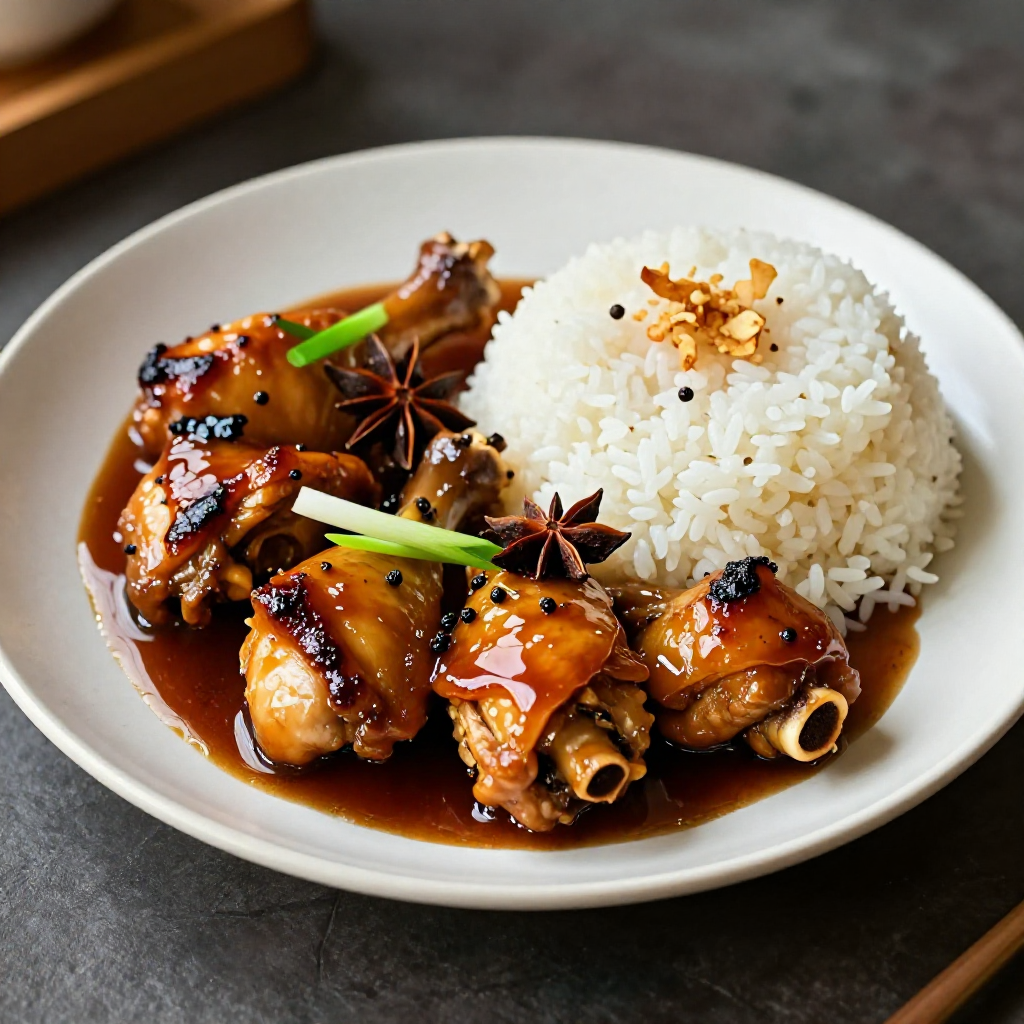
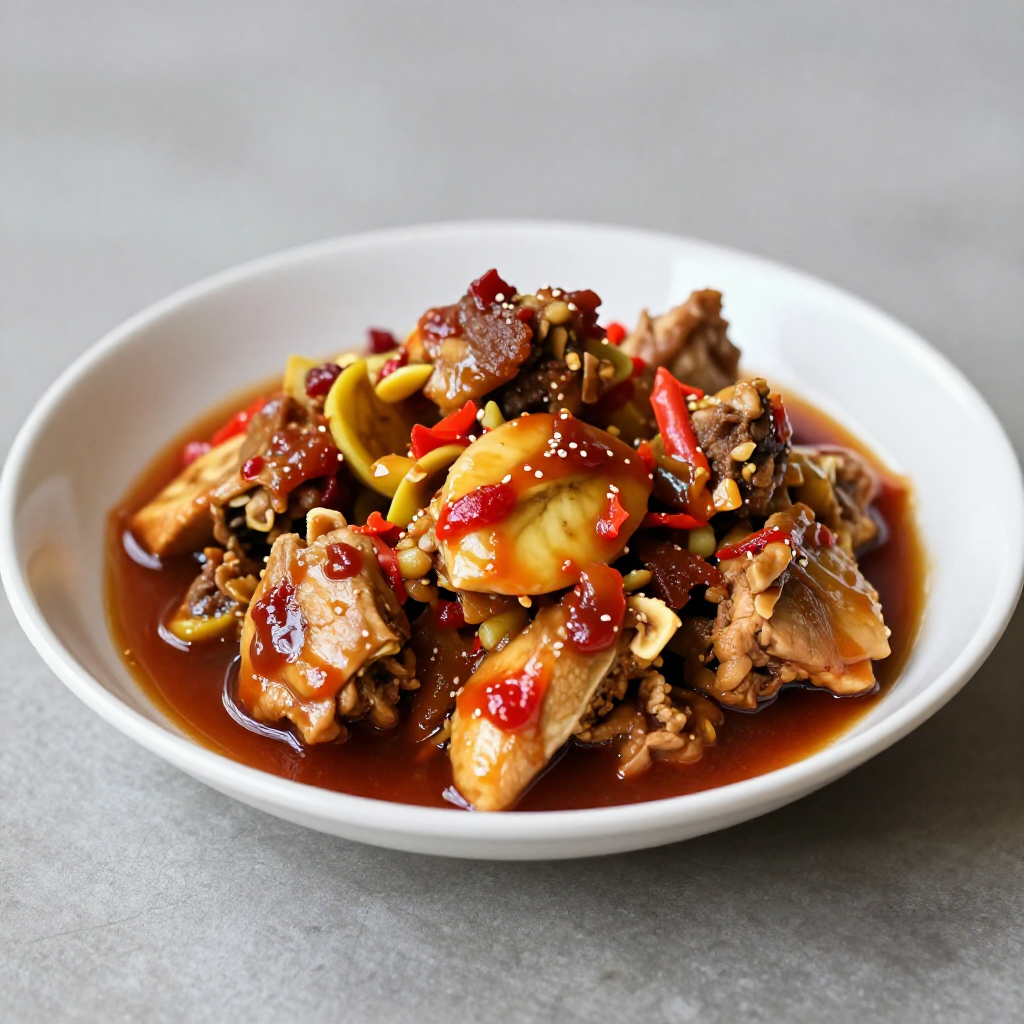
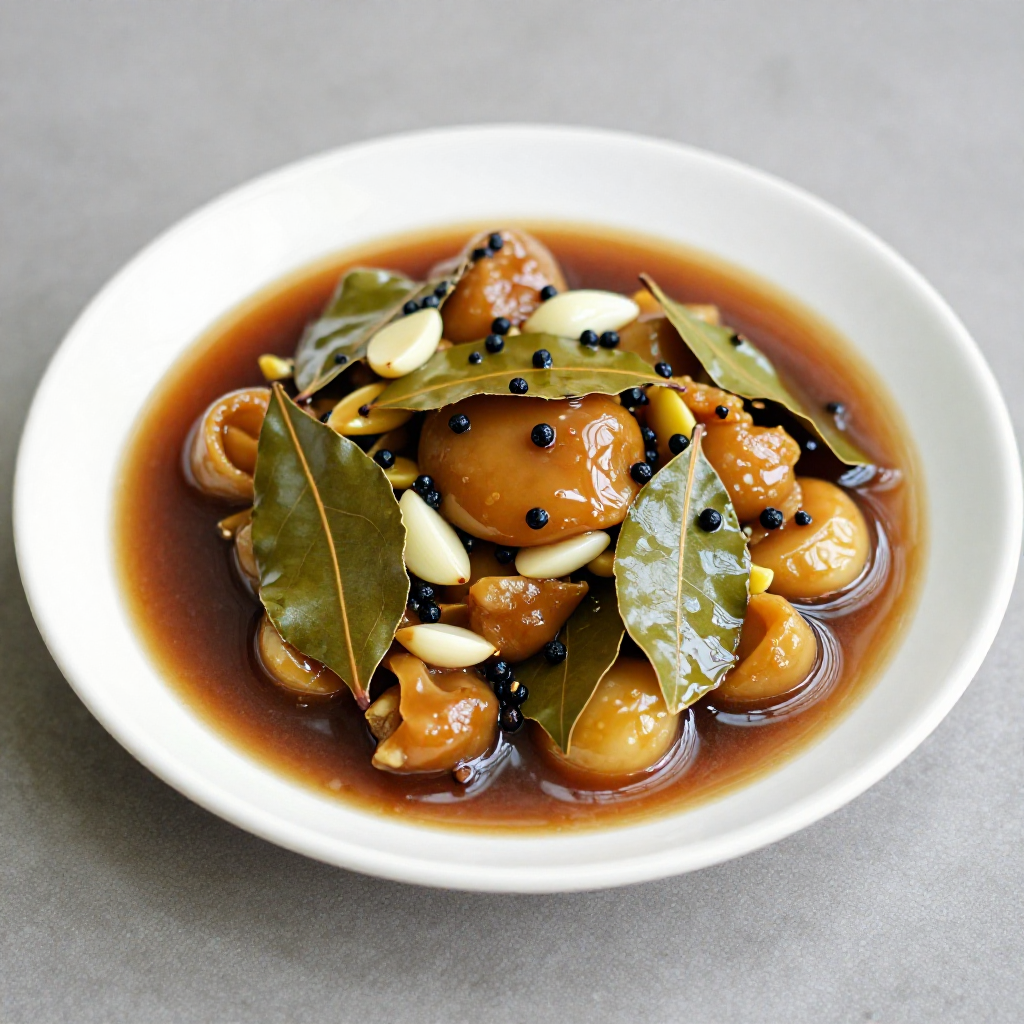
Tiwilan is an Ilonggo chicken dish that sits somewhere between adobo and paksiw, but has its own distinct personality. The chicken is simmered in coconut vinegar with ginger, garlic, and bay leaves until the meat practically melts off the bone. Unlike adobo, it skips the soy sauce entirely, letting the bright, tangy vinegar shine through. It's the kind of dish that makes you want to mop up every last drop of the sauce with steamed rice.
Instructions
- Heat the cooking oil in a large pot or kaldero over medium-high heat. Add the chicken pieces and sear them skin-side down until nice and golden brown, about 4 to 5 minutes. Flip and brown the other side too. This step seals in the flavor and gives the chicken that lovely caramelized exterior.
- Once the chicken is browned, push it to the side of the pot. Toss in the crushed garlic and sliced ginger, and sauté for about a minute until you can smell the aromatics filling up your kitchen. Mix them with the chicken so everything gets coated.
- Pour in the coconut vinegar and let it come to a gentle simmer. You want the vinegar to cook off some of its sharpness, so let it bubble away uncovered for about 5 minutes. Don't cover yet—the vinegar needs to breathe.
- Now add the bay leaves, peppercorns, fish sauce, salted duck egg halves, salt, and enough water to almost cover the chicken. The liquid should come up about two-thirds of the chicken pieces, not completely submerged.
- Reduce the heat to low, cover the pot, and let the chicken simmer gently for 35 to 45 minutes. Halfway through, give the pot a gentle stir and check that the chicken is becoming tender. If the liquid is reducing too fast, add a splash more water.
- When the chicken is fork-tender and the sauce has thickened to a rich, glossy coating, turn off the heat. Let it rest for 5 minutes before serving—the flavors will continue to meld. Serve with plenty of steamed white rice so you can ladle that incredible sauce over everything.
Kitchen Tools We Recommend
Cook Tiwilan the easy way with the right tools. Shop our favorite kitchen essentials on Amazon — from reliable pots and pans to measuring tools that make Filipino cooking simpler.
🔥 Trending on Amazon right now — these products are selling fast. Check out what's climbing the charts.
As an Amazon Associate, I earn from qualifying purchases.
Pro Tips & Troubleshooting
Cooking Tips
Use a meat thermometer to check doneness: 165°F (74°C) at the thickest part of the breast, away from the bone.
Substitutions
Lemon or calamansi juice can replace vinegar in most marinades and braises. Add a pinch of sugar to balance the acidity.
Chicken alternatives: Pork shoulder or boneless thigh meat can substitute for chicken in stews. For lighter fare, extra-firm tofu or seitan works in stir-fries and braises.
Short on time? A pressure cooker (Instant Pot) can reduce cooking time by roughly half for most braised and stewed Filipino dishes. Reduce liquid slightly since less evaporates.
Storage & Reheating
Reheat on the stovetop over medium-low heat, adding a splash of water or broth if the sauce has thickened during storage. Microwave in 30-second bursts, stirring between each.
Comments (0)
Leave a comment