Pro Tips
**Chef's Tips & Troubleshooting:**
For the smoking step, use charcoal from the cooking fire or a small piece wrapped in foil. A drop of oil on the charcoal creates a thin, aromatic smoke — too much oil makes the smoke bitter and acrid.
Cover the pot tightly during smoking. A damp cloth under the lid creates a seal that traps the smoke inside. Let it sit, heat off, for 5–10 minutes to absorb the smoky flavor fully.
Native chicken absorbs smoke flavor better than broiler chicken. If using broiler, increase the smoking time to 15 minutes and use a bit more charcoal.
Cooking Tips
For the most tender results, cook low and slow — a gentle simmer (not a vigorous boil) breaks down connective tissue without drying out the meat. Taste and adjust seasoning toward the end of cooking. As liquids reduce, flavors concentrate, so what tastes balanced early may become too salty later. Check liquid levels halfway through cooking and add hot water or broth if needed. Long-cooked dishes can dry out or burn if left unattended.
Ingredient Substitutions
Chicken alternatives: Pork shoulder or boneless thigh meat can substitute for chicken in stews. For lighter fare, extra-firm tofu or seitan works in stir-fries and braises. Short on time? A pressure cooker (Instant Pot) can reduce cooking time by roughly half for most braised and stewed Filipino dishes. Reduce liquid slightly since less evaporates.
Storage & Reheating
Store in an airtight container in the refrigerator for up to 3–4 days. The flavors often deepen overnight, making leftovers even more delicious. Reheat on the stovetop over medium-low heat, adding a splash of water or broth if the sauce has thickened during storage. Microwave in 30-second bursts, stirring between each.

Tinutungang Manok
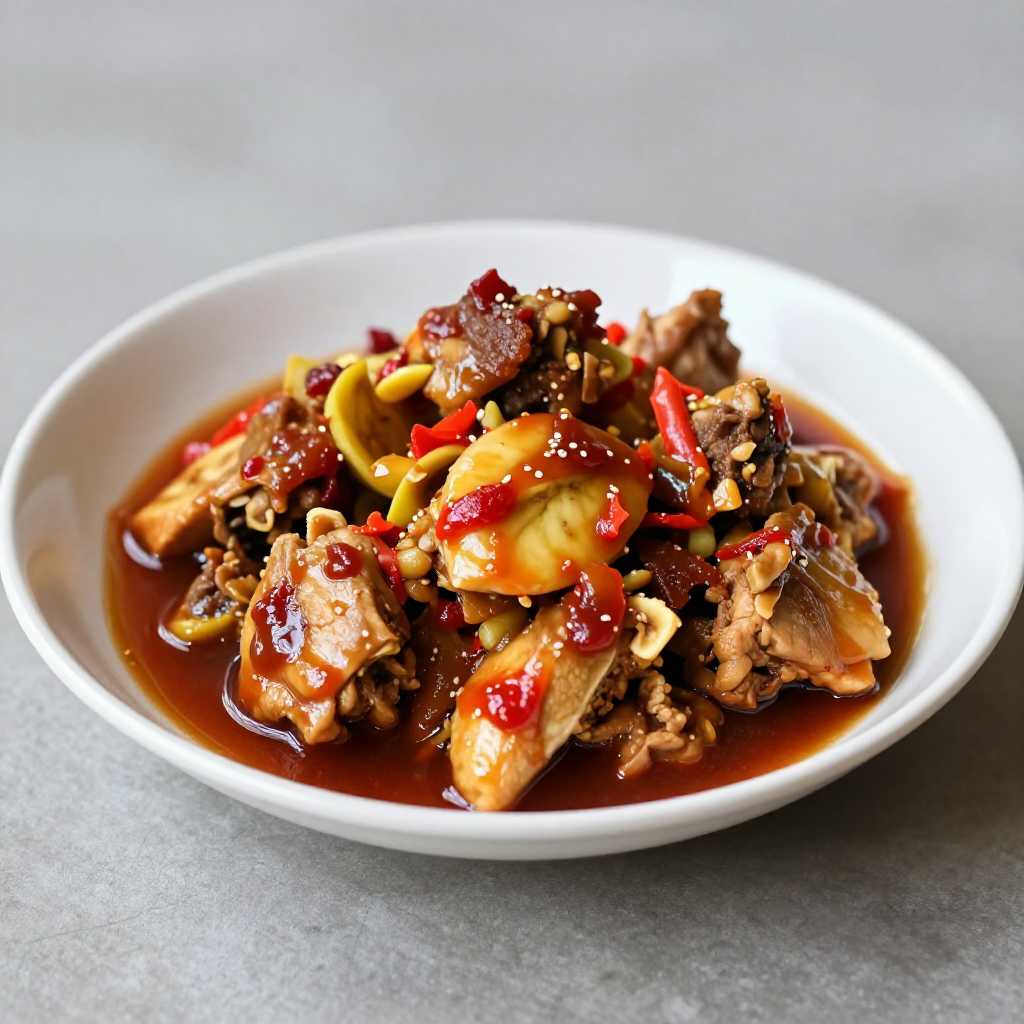
Tinutungang Manok is a prized Bicolano chicken stew distinguished by its smoked coconut milk sauce. Unlike regular ginataan dishes, the grated coconut is deliberately charred with hot charcoal before extracting the milk, giving the dish a deep, smoky depth that you cannot replicate with packaged coconut. Native chicken pieces are simmered slowly in this smoky coconut broth alongside julienned green papaya, ginger, lemongrass, and the signature Bicolano bird's eye chilies. The result is a rich, creamy, and slightly spicy stew that has been a fiesta staple in Bicol for generations.
Instructions
- Light 2 pieces of charcoal until they become red-hot. Place freshly grated coconut in a heat-resistant bowl and carefully put the hot charcoal pieces on top. Allow some parts of the coconut to burn slightly for 3 to 5 minutes, then remove the charcoal. The darker the coconut is toasted, the deeper the smoky flavor.
- Extract the coconut milk in two stages. For the first extract, pour 1 cup of warm water over the smoked coconut and squeeze firmly through a cheesecloth. Set this thick first extract aside. For the second extract, repeat with the remaining warm water to get a thinner milk.
- Heat a wok or deep pan to medium heat. Saute minced garlic until golden, then add sliced onions and cook until translucent. Add the native chicken pieces and season with crushed black pepper.
- Add the bruised lemongrass and pour in the second (thinner) coconut milk extract. Season with salt to taste.
- Add the julienned green papaya and let it simmer until tender, about 15 to 20 minutes.
- Pour in the reserved first (thick) coconut milk extract and add the birds eye chilies and long green chili. Reduce heat to low and continue to simmer until oil surfaces on top, approximately 20 to 30 minutes. Stir gently and occasionally to prevent the coconut milk from curdling.
- Taste and adjust seasoning. Add a pinch of MSG if desired. Serve hot with steamed white rice. For the traditional Bicolano niligo style, reserve some sauce and mix with day-old rice until the rice absorbs all the flavors.
Kitchen Tools We Recommend
Cook Tinutungang Manok the easy way with the right tools. Shop our favorite kitchen essentials on Amazon — from reliable pots and pans to measuring tools that make Filipino cooking simpler.
🔥 Trending on Amazon right now — these products are selling fast. Check out what's climbing the charts.
As an Amazon Associate, I earn from qualifying purchases.
Pro Tips & Troubleshooting
For the smoking step, use charcoal from the cooking fire or a small piece wrapped in foil. A drop of oil on the charcoal creates a thin, aromatic smoke — too much oil makes the smoke bitter and acrid.
Cover the pot tightly during smoking. A damp cloth under the lid creates a seal that traps the smoke inside. Let it sit, heat off, for 5–10 minutes to absorb the smoky flavor fully.
Native chicken absorbs smoke flavor better than broiler chicken. If using broiler, increase the smoking time to 15 minutes and use a bit more charcoal.
Cooking Tips
Taste and adjust seasoning toward the end of cooking. As liquids reduce, flavors concentrate, so what tastes balanced early may become too salty later.
Check liquid levels halfway through cooking and add hot water or broth if needed. Long-cooked dishes can dry out or burn if left unattended.
Substitutions
Short on time? A pressure cooker (Instant Pot) can reduce cooking time by roughly half for most braised and stewed Filipino dishes. Reduce liquid slightly since less evaporates.
Storage & Reheating
Reheat on the stovetop over medium-low heat, adding a splash of water or broth if the sauce has thickened during storage. Microwave in 30-second bursts, stirring between each.
Comments (0)
Leave a comment