Pro Tips
**Chef's Tips & Troubleshooting:**
Fresh cassava makes the biggest difference. Peeled and grated cassava should be pressed immediately to extract the juice — letting it sit turns the pulp brown.
To make latik, simmer coconut cream over medium-low heat, stirring constantly until golden-brown curds separate from the liquid. Skim the curds off while they're still warm.
The custard layer should be whisked vigorously before pouring so it incorporates air and stays fluffy when steamed.
If you can, steam over an open wood fire. The wood smoke gives timitim its unmistakable smoky-sweet aroma. Otherwise, a stovetop steamer works fine — just accept that it won't taste identical.
Timitim is best served warm, within an hour of steaming.
Cooking Tips
Let the dessert cool completely before slicing or serving — many Filipino sweets set and develop their best texture as they rest. Use fresh coconut milk (gata) when available rather than canned. The natural sweetness and rich consistency make a noticeable difference.
Ingredient Substitutions
No coconut milk? For a richer alternative, blend canned coconut cream with water (1:1). For a lighter option, use evaporated milk with a splash of coconut extract. In a pinch, heavy cream or full-fat milk can replace coconut milk — the texture will be similar though the flavor profile changes. Short on time? A pressure cooker (Instant Pot) can reduce cooking time by roughly half for most braised and stewed Filipino dishes. Reduce liquid slightly since less evaporates.
Storage & Reheating
Store in an airtight container in the refrigerator for up to 3–4 days. The flavors often deepen overnight, making leftovers even more delicious. Store desserts in a sealed container at room temperature for up to 2 days, or refrigerate for up to a week. Let chilled desserts come to room temperature before serving for the best texture and flavor. Reheat on the stovetop over medium-low heat, adding a splash of water or broth if the sauce has thickened during storage. Microwave in 30-second bursts, stirring between each.
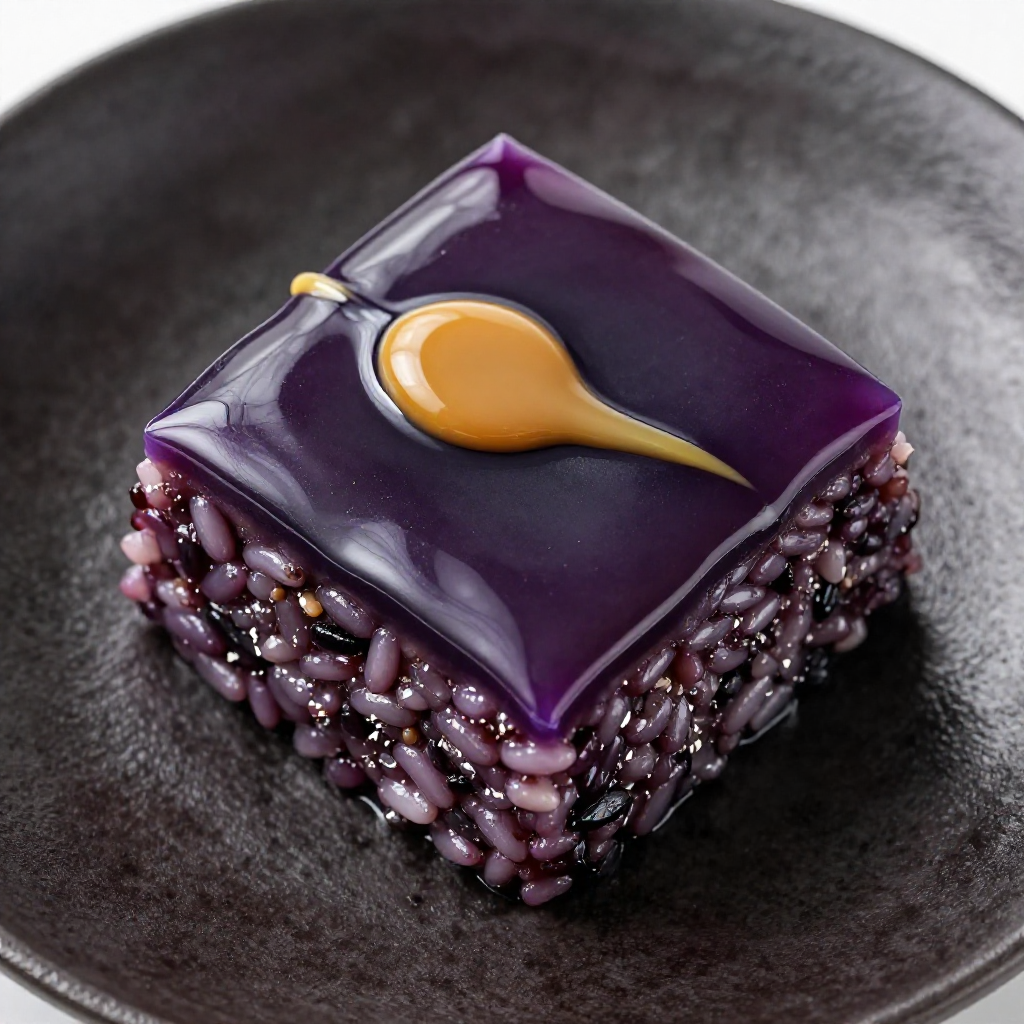
Timitim
Timitim is a nearly-lost heirloom treat from Gubat, Sorsogon, whose name comes from 'patikim-tikim' (tasting) — a nod to the way families would taste-test the mixture before the final steam. Introduced to the town in the 1970s, it has since become a beloved local specialty. The base is fresh cassava, grated by hand and pressed to extract its natural milky juice. This cassava pulp is layered with a sweet, rich custard of coconut milk, brown sugar, evaporated milk, and eggs. The mixture is poured into a circular mold lined with banana leaf and steamed until set. The top is crowned with golden latik (coconut milk curds) and finished with toppings like pili nuts, sweet corn and cheese, chocolate, or buko pandan. Traditionally cooked over firewood — not gas — for an aroma that modern kitchens can't replicate.
Instructions
- Grate the fresh cassava finely using a hand grater or food processor. Press the grated cassava in a clean cloth to extract the natural juice, keeping the pulp aside.
- To make latik: pour coconut cream into a small saucepan over medium-low heat. Stir constantly until golden-brown curds form and separate from the liquid (about 15 minutes). Remove the curds with a slotted spoon and set aside. Reserve the remaining liquid.
- In a bowl, whisk together the eggs, brown sugar, coconut milk, evaporated milk, and the reserved coconut liquid until smooth. Add a pinch of salt.
- Line a circular steaming pan (about 10 inches wide) with banana leaf, overlapping the edges to cover the bottom and sides completely.
- Spread the pressed cassava pulp evenly in the lined pan, pressing it down firmly to create a compact base layer.
- Pour the egg-coconut custard mixture evenly over the cassava layer.
- Place the pan in a steamer over simmering water. Cover and steam for 12-15 minutes, until the custard is just set (a knife inserted comes out clean).
- Remove from the steamer. Sprinkle the latik curds evenly over the top, then add your choice of toppings — pili nuts, sweet corn with cheese, or any combination.
- Return to the steamer for 2-3 more minutes to warm the toppings.
- Let rest for 5 minutes before slicing into wedges. Serve warm.
Kitchen Tools We Recommend
Cook Timitim the easy way with the right tools. Shop our favorite kitchen essentials on Amazon — from reliable pots and pans to measuring tools that make Filipino cooking simpler.
🔥 Trending on Amazon right now — these products are selling fast. Check out what's climbing the charts.
As an Amazon Associate, I earn from qualifying purchases.
Pro Tips & Troubleshooting
Fresh cassava makes the biggest difference. Peeled and grated cassava should be pressed immediately to extract the juice — letting it sit turns the pulp brown.
To make latik, simmer coconut cream over medium-low heat, stirring constantly until golden-brown curds separate from the liquid. Skim the curds off while they're still warm.
The custard layer should be whisked vigorously before pouring so it incorporates air and stays fluffy when steamed.
If you can, steam over an open wood fire. The wood smoke gives timitim its unmistakable smoky-sweet aroma. Otherwise, a stovetop steamer works fine — just accept that it won't taste identical.
Timitim is best served warm, within an hour of steaming.
Cooking Tips
Use fresh coconut milk (gata) when available rather than canned. The natural sweetness and rich consistency make a noticeable difference.
Substitutions
In a pinch, heavy cream or full-fat milk can replace coconut milk — the texture will be similar though the flavor profile changes.
Short on time? A pressure cooker (Instant Pot) can reduce cooking time by roughly half for most braised and stewed Filipino dishes. Reduce liquid slightly since less evaporates.
Storage & Reheating
Store desserts in a sealed container at room temperature for up to 2 days, or refrigerate for up to a week. Let chilled desserts come to room temperature before serving for the best texture and flavor.
Reheat on the stovetop over medium-low heat, adding a splash of water or broth if the sauce has thickened during storage. Microwave in 30-second bursts, stirring between each.


Comments (0)
Leave a comment