Pro Tips
The tomatoes should be ripe and slightly undercooked — you want to see individual chunks, not a mushy sauce. Use the freshest eggs you can find. In Ilocos, this dish is often prepared at dawn and eaten right away, so the eggs stay perfectly fried and the tomato sauce stays bright.
Cooking Tips
Blanch leafy vegetables in boiling salted water for 30–60 seconds, then plunge into ice water. This locks in their bright color and crisp texture. Add vegetables in stages — hard vegetables (carrots, potatoes) go in first, tender ones (leafy greens, beansprouts) at the very end. Have all your ingredients prepped and measured before you start cooking — quick dishes leave no time for chopping mid-recipe. True to Ilocano tradition, this Sikatola pairs wonderfully with a side of steamed rice and fresh bagoong (fermented shrimp paste) for an authentic regional experience.
Ingredient Substitutions
Short on time? A pressure cooker (Instant Pot) can reduce cooking time by roughly half for most braised and stewed Filipino dishes. Reduce liquid slightly since less evaporates.
Storage & Reheating
Store in an airtight container in the refrigerator for up to 3–4 days. The flavors often deepen overnight, making leftovers even more delicious. Reheat on the stovetop over medium-low heat, adding a splash of water or broth if the sauce has thickened during storage. Microwave in 30-second bursts, stirring between each.
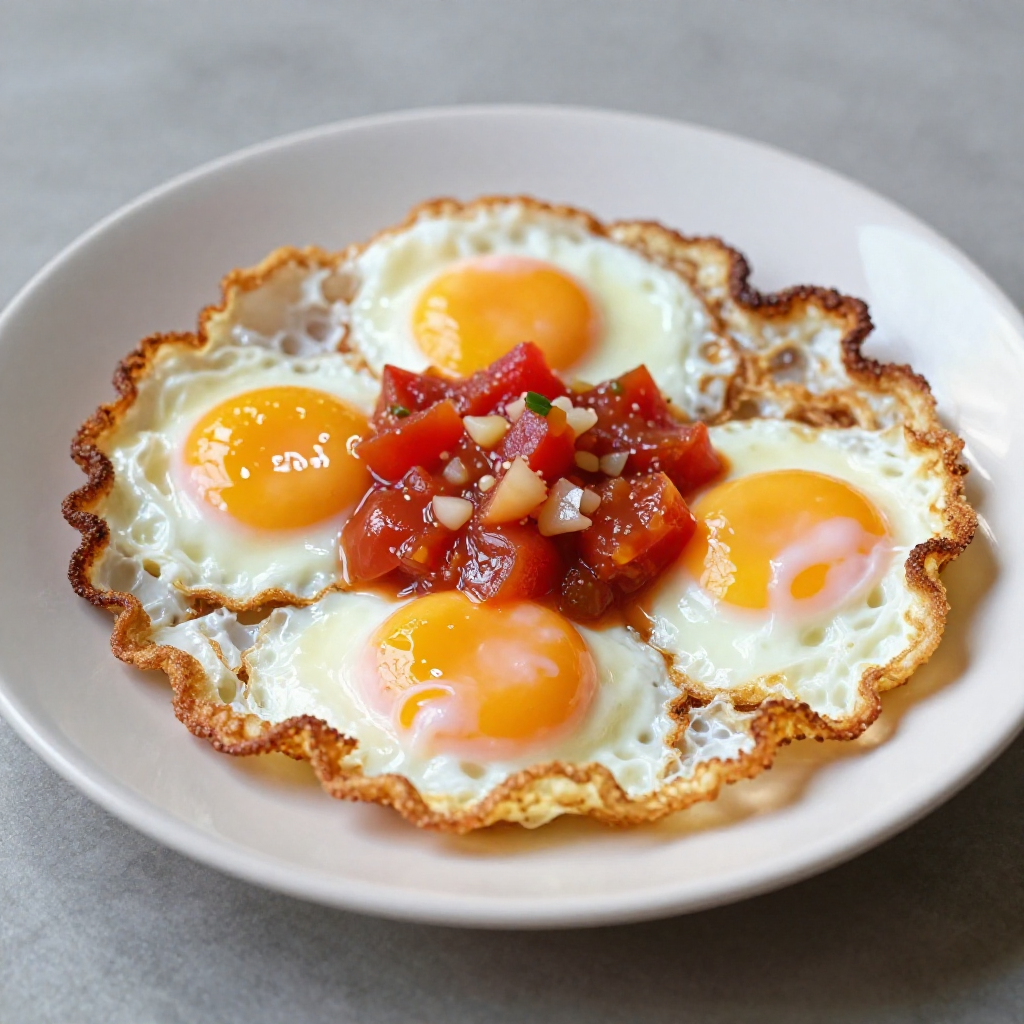
Sikatola
Sikatola is an Ilocano breakfast that pairs fried eggs with sikal — a sweet-savory relish of tomatoes and onions. The name combines 'sikal' and 'itlog' (egg). Minimal effort, bright and tangy.
Instructions
- Start by preparing the sikal (tomato relish). Heat 1 tablespoon of cooking oil in a small pan over medium heat. Sauté the garlic and finely chopped onion until the onions are soft and translucent, about 2 minutes.
- Add the chopped tomatoes to the pan along with the fish sauce, sugar, and salt. Stir well and cook for 5–7 minutes. The tomatoes should soften but still retain some shape — you don't want a mushy sauce. The sugar helps balance the acidity of the tomatoes. If the tomatoes release a lot of water, cook a bit longer to reduce it. Remove from heat and set aside.
- In a separate frying pan, heat the remaining 2 tablespoons of cooking oil over medium heat. Crack an egg into the pan and fry until the edges are crispy and the white is fully set, but the yolk is still runny. Flip if you prefer your eggs less runny, but the traditional way is sunny-side up with crispy edges.
- Continue frying the remaining eggs one or two at a time until all four are done. The eggs should be golden and crispy around the edges — this is what gives sikatola its signature texture.
- Plate the fried eggs and generously spoon the warm sikal (tomato relish) on top. The contrast between the crispy fried eggs and the sweet-tangy tomato sauce is what makes this dish so irresistible.
- Serve immediately with steamed rice — sikatola is meant to be eaten hot and fresh. It's best enjoyed first thing in the morning, but it makes a great quick dinner too. Some Ilocano families add a drizzle of patis directly on the eggs for extra savory depth.
Kitchen Tools We Recommend
Cook Sikatola the easy way with the right tools. Shop our favorite kitchen essentials on Amazon — from reliable pots and pans to measuring tools that make Filipino cooking simpler.
🔥 Trending on Amazon right now — these products are selling fast. Check out what's climbing the charts.
As an Amazon Associate, I earn from qualifying purchases.
Pro Tips & Troubleshooting
Cooking Tips
Add vegetables in stages — hard vegetables (carrots, potatoes) go in first, tender ones (leafy greens, beansprouts) at the very end.
Have all your ingredients prepped and measured before you start cooking — quick dishes leave no time for chopping mid-recipe.
True to Ilocano tradition, this Sikatola pairs wonderfully with a side of steamed rice and fresh bagoong (fermented shrimp paste) for an authentic regional experience.
Substitutions
Storage & Reheating
Reheat on the stovetop over medium-low heat, adding a splash of water or broth if the sauce has thickened during storage. Microwave in 30-second bursts, stirring between each.
Comments (0)
Leave a comment