Pro Tips
Use a clay pot if possible — it allows tiny amounts of air exchange that improve fermentation. The nechacha starter can be reused from a previous batch. If it becomes too sour, you've fermented too long. Always sterilize containers to prevent contamination.
Cooking Tips
For the most tender results, cook low and slow — a gentle simmer (not a vigorous boil) breaks down connective tissue without drying out the meat. Taste and adjust seasoning toward the end of cooking. As liquids reduce, flavors concentrate, so what tastes balanced early may become too salty later. Check liquid levels halfway through cooking and add hot water or broth if needed. Long-cooked dishes can dry out or burn if left unattended.
Ingredient Substitutions
Short on time? A pressure cooker (Instant Pot) can reduce cooking time by roughly half for most braised and stewed Filipino dishes. Reduce liquid slightly since less evaporates.
Storage & Reheating
Store in an airtight container in the refrigerator for up to 3–4 days. The flavors often deepen overnight, making leftovers even more delicious. Refrigerate immediately and consume within 24 hours for the freshest flavor. Stir or shake well before serving, as ingredients may separate during storage. Reheat on the stovetop over medium-low heat, adding a splash of water or broth if the sauce has thickened during storage. Microwave in 30-second bursts, stirring between each.
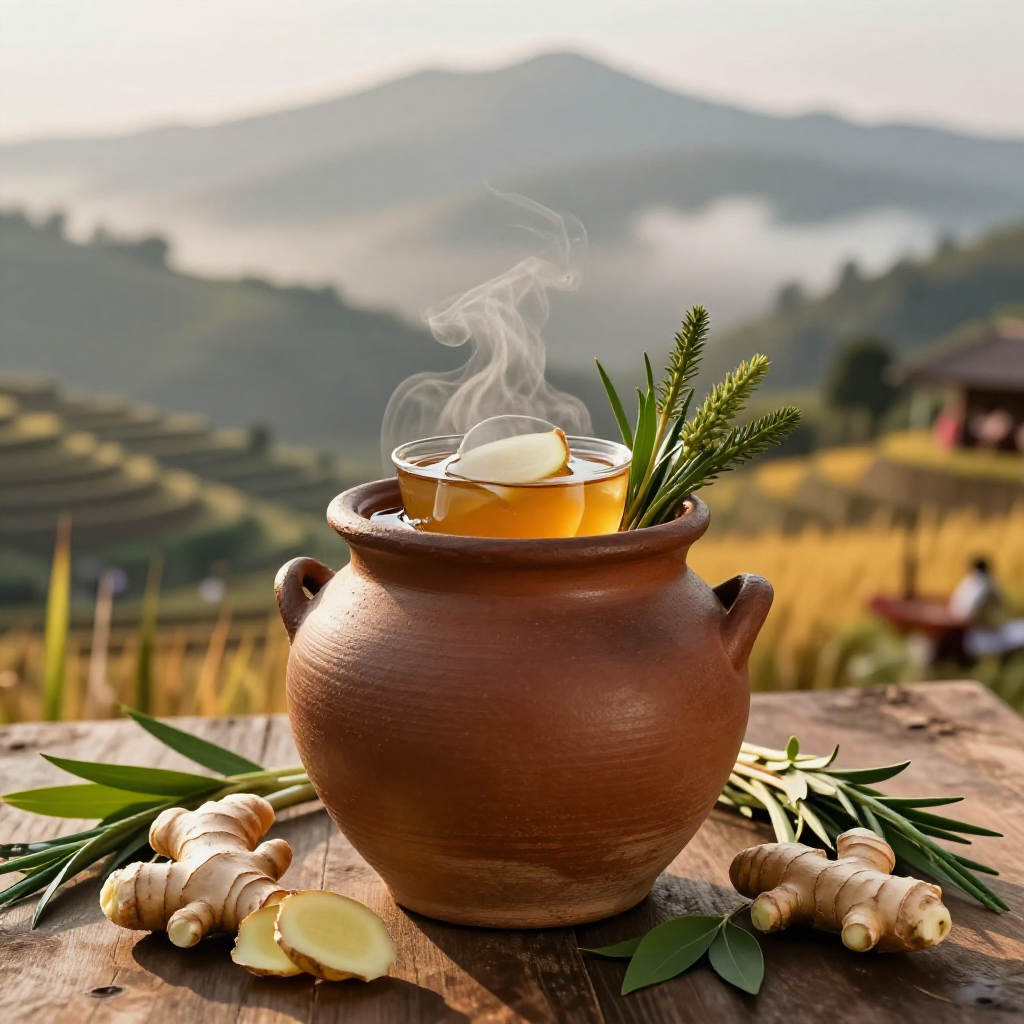
Piya-piya
Piya-piya is a traditional Ifugao rice wine made from fermented rice, ginger, and wild mountain herbs. This amber-colored drink has been part of Cordilleran culture for centuries, served during harvest festivals, wedding ceremonies, and community gatherings. The slow fermentation process produces a mildly effervescent beverage with a gentle sweetness and distinct earthy ginger notes.
Instructions
- Wash the glutinous rice thoroughly and soak overnight in clean water. This softens the grains and ensures even cooking.
- Drain the rice and cook it with 2.5 cups of water until tender but not mushy — it should be slightly firm since it will absorb more liquid during fermentation.
- Spread the cooked rice on a large clean tray and let it cool to room temperature. This is critical — adding fermentation starter to hot rice will kill the beneficial microorganisms.
- Crush the dried ginger root finely using a mortar and pestle. Bruise the wild herbs gently to release their essential oils.
- In a clean clay pot or glass jar, layer the cooled rice with the crushed ginger, bruised herbs, and nechacha starter. Mix in the sugarcane juice.
- Pour in the fermentation water, ensuring all the rice is submerged. Stir well with a clean wooden spoon.
- Cover the container with a clean cloth secured with a rubber band — do not seal airtight, as fermentation produces gas. Place in a warm spot away from direct sunlight.
- Let it ferment for 3-5 days, stirring gently once daily. Taste after day 3 — it should be mildly sweet with a slight effervescence. Strain through a fine mesh or cheesecloth and serve chilled.
Kitchen Tools We Recommend
Cook Piya-piya the easy way with the right tools. Shop our favorite kitchen essentials on Amazon — from reliable pots and pans to measuring tools that make Filipino cooking simpler.
🔥 Trending on Amazon right now — these products are selling fast. Check out what's climbing the charts.
As an Amazon Associate, I earn from qualifying purchases.
Pro Tips & Troubleshooting
Cooking Tips
Taste and adjust seasoning toward the end of cooking. As liquids reduce, flavors concentrate, so what tastes balanced early may become too salty later.
Check liquid levels halfway through cooking and add hot water or broth if needed. Long-cooked dishes can dry out or burn if left unattended.
Substitutions
Storage & Reheating
Refrigerate immediately and consume within 24 hours for the freshest flavor. Stir or shake well before serving, as ingredients may separate during storage.
Reheat on the stovetop over medium-low heat, adding a splash of water or broth if the sauce has thickened during storage. Microwave in 30-second bursts, stirring between each.
Comments (0)
Leave a comment