Pro Tips
**Chef's Tips & Troubleshooting:**
Sear the chicken well before adding liquid. A good brown crust on both sides builds a fond on the pan that dissolves into the sauce, adding savory depth that boiling alone can't achieve. Plan for 4–5 minutes per side.
Mallorca liqueur is traditional, but Myers's dark rum, Cruzan Black, or even a dark beer like San Miguel Extra works in a pinch. The key is a dark, complex spirit — avoid clear vodka or gin.
Whole star anise and bay leaves add aroma but look messy in the final dish. Remove them before serving, or steep them in a small cheesecloth bundle for easy removal.
Cooking Tips
For the most tender results, cook low and slow — a gentle simmer (not a vigorous boil) breaks down connective tissue without drying out the meat. Taste and adjust seasoning toward the end of cooking. As liquids reduce, flavors concentrate, so what tastes balanced early may become too salty later. As prepared in Cebu, this dish is best enjoyed with steamed white rice and a drizzle of fresh calamansi — the acidity cuts through the richness beautifully.
Ingredient Substitutions
No soy sauce? Use tamari (gluten-free), coconut aminos (paleo-friendly), or a mix of fish sauce and water for a different but delicious umami profile. For a low-sodium version, use light soy sauce or dilute regular soy sauce with a splash of water or broth. Chicken alternatives: Pork shoulder or boneless thigh meat can substitute for chicken in stews. For lighter fare, extra-firm tofu or seitan works in stir-fries and braises. Short on time? A pressure cooker (Instant Pot) can reduce cooking time by roughly half for most braised and stewed Filipino dishes. Reduce liquid slightly since less evaporates.
Storage & Reheating
Store in an airtight container in the refrigerator for up to 3–4 days. The flavors often deepen overnight, making leftovers even more delicious. Reheat on the stovetop over medium-low heat, adding a splash of water or broth if the sauce has thickened during storage. Microwave in 30-second bursts, stirring between each.
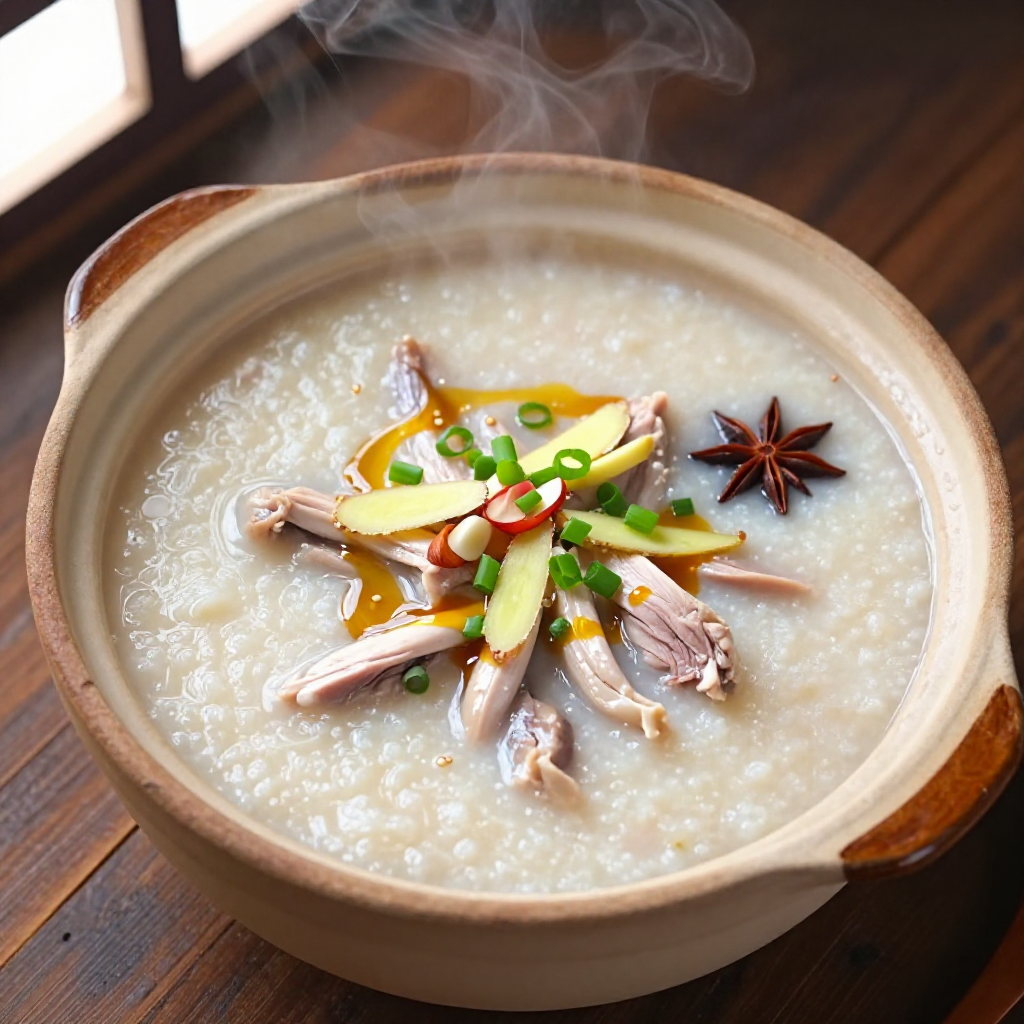
Perdis
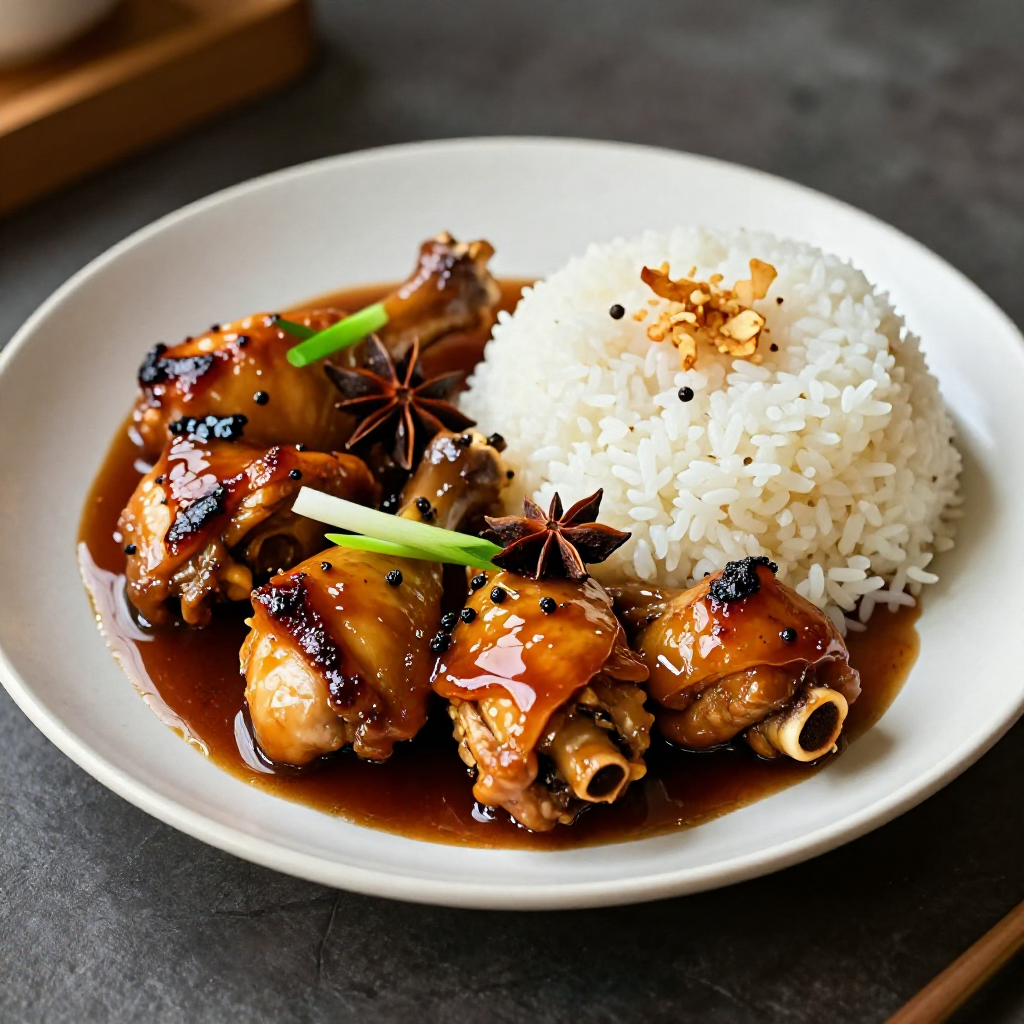
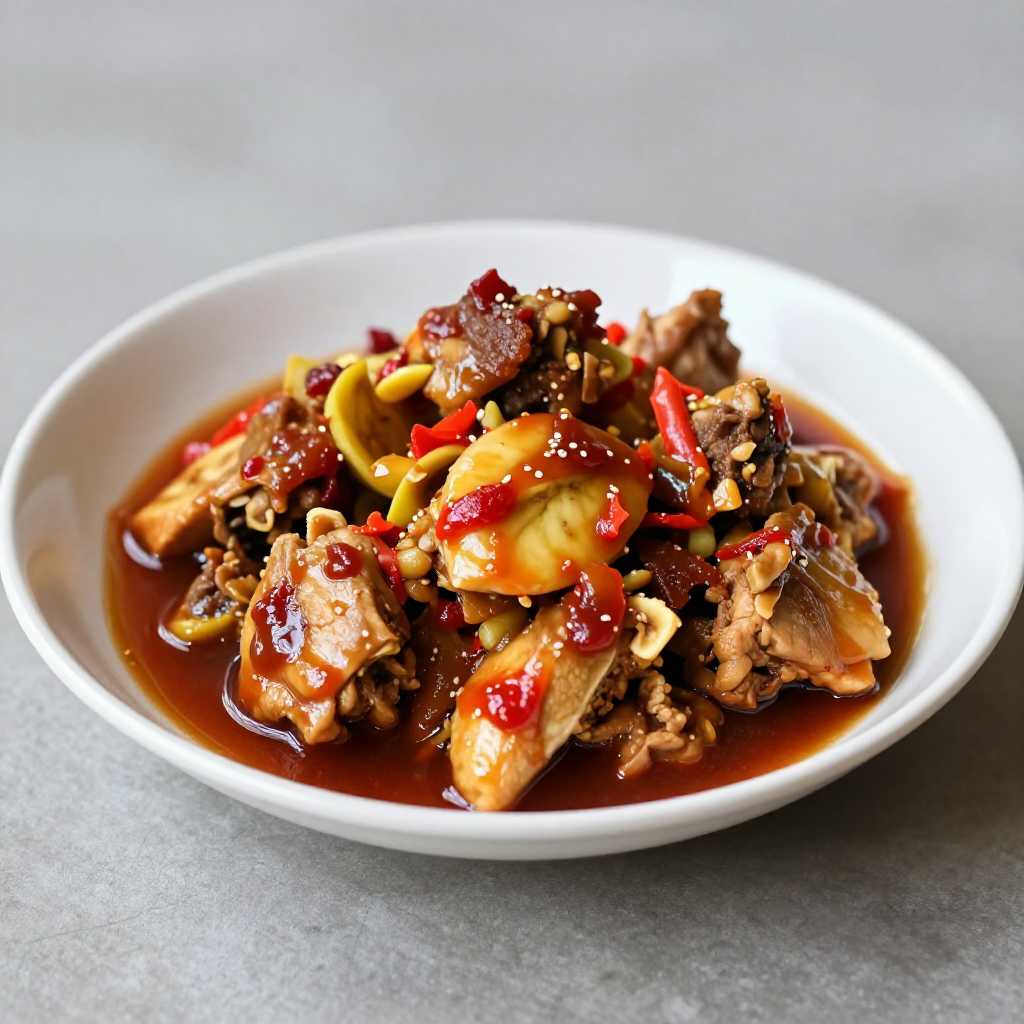
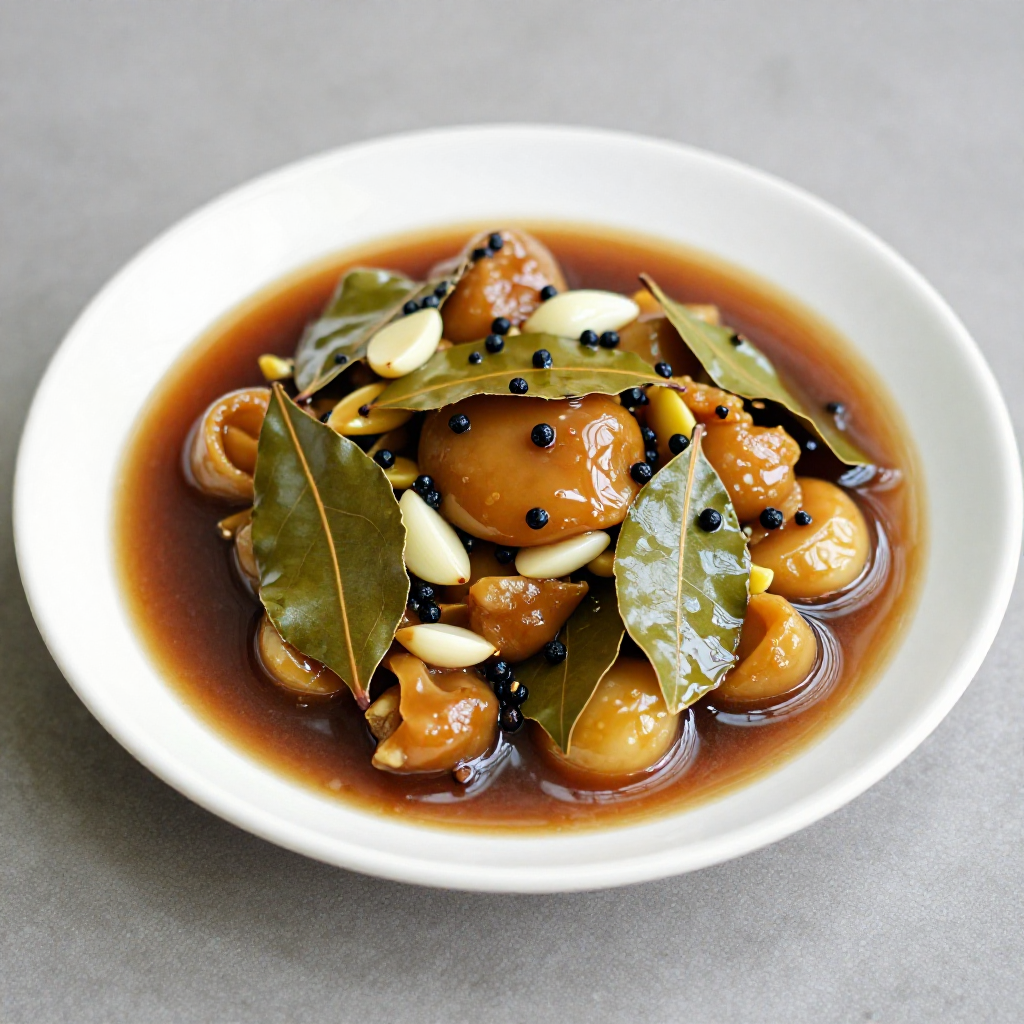
A rare Cebuano chicken stew scented with star anise, Mallorca liqueur, and aromatic spices. Inspired by the Spanish perdiz estofada but shaped into something unmistakably Visayan, this dish is a ghost from old Cebuano kitchens that deserves a comeback.
Instructions
- Pat the chicken pieces dry and season with salt and a bit of soy sauce. Let them sit while you prep the rest.
- In a deep pot or casserole, heat the oil over medium-high heat. Brown the chicken on all sides until golden — this gives the stew a richer flavor base. Set the chicken aside.
- In the same pot, sauté the garlic, ginger, and onions until the onions turn translucent and the garlic is fragrant.
- Add the tomatoes and cook until they soften and start breaking down, about 3 minutes. This adds a gentle acidity to the stew.
- Pour in the Mallorca liqueur and let it reduce for a minute — you want most of the alcohol to cook off, leaving behind that sweet, herbal perfume.
- Return the chicken to the pot. Add the star anise, bay leaves, peppercorns, soy sauce, brown sugar, and water. The liquid should come about halfway up the chicken.
- Bring to a boil, then reduce to low, cover, and simmer for about 45 minutes until the chicken is fall-off-the-bone tender.
- Uncover and let the sauce reduce and thicken for 10 more minutes over medium heat. Taste and adjust seasoning — it should be savory with a subtle sweetness and that unmistakable star anise aroma. Serve with steamed rice.
Kitchen Tools We Recommend
Cook Perdis the easy way with the right tools. Shop our favorite kitchen essentials on Amazon — from reliable pots and pans to measuring tools that make Filipino cooking simpler.
🔥 Trending on Amazon right now — these products are selling fast. Check out what's climbing the charts.
As an Amazon Associate, I earn from qualifying purchases.
Pro Tips & Troubleshooting
Sear the chicken well before adding liquid. A good brown crust on both sides builds a fond on the pan that dissolves into the sauce, adding savory depth that boiling alone can't achieve. Plan for 4–5 minutes per side.
Mallorca liqueur is traditional, but Myers's dark rum, Cruzan Black, or even a dark beer like San Miguel Extra works in a pinch. The key is a dark, complex spirit — avoid clear vodka or gin.
Whole star anise and bay leaves add aroma but look messy in the final dish. Remove them before serving, or steep them in a small cheesecloth bundle for easy removal.
Cooking Tips
Taste and adjust seasoning toward the end of cooking. As liquids reduce, flavors concentrate, so what tastes balanced early may become too salty later.
As prepared in Cebu, this dish is best enjoyed with steamed white rice and a drizzle of fresh calamansi — the acidity cuts through the richness beautifully.
Substitutions
For a low-sodium version, use light soy sauce or dilute regular soy sauce with a splash of water or broth.
Chicken alternatives: Pork shoulder or boneless thigh meat can substitute for chicken in stews. For lighter fare, extra-firm tofu or seitan works in stir-fries and braises.
Short on time? A pressure cooker (Instant Pot) can reduce cooking time by roughly half for most braised and stewed Filipino dishes. Reduce liquid slightly since less evaporates.
Storage & Reheating
Reheat on the stovetop over medium-low heat, adding a splash of water or broth if the sauce has thickened during storage. Microwave in 30-second bursts, stirring between each.
Comments (0)
Leave a comment