Pro Tips
**Chef's Tips & Troubleshooting:**
The whole duck should be poached, not boiled. Keep the liquid at a gentle simmer — vigorous boiling toughens the duck skin and makes the meat stringy. Low and slow for 75 minutes renders the fat and tenderizes the meat.
Thicken the sauce with cornstarch slurry added gradually. Stir constantly to avoid lumps. The sauce should coat the back of a spoon — if it's too thin, add more slurry; too thick and it becomes gluey.
Sichuan peppercorns add a numbing, citrusy warmth. Toast them lightly in a dry pan before adding to amplify the aroma. Use sparingly — a quarter teaspoon is enough for 6 servings.
Cooking Tips
For the most tender results, cook low and slow — a gentle simmer (not a vigorous boil) breaks down connective tissue without drying out the meat. Taste and adjust seasoning toward the end of cooking. As liquids reduce, flavors concentrate, so what tastes balanced early may become too salty later. Check liquid levels halfway through cooking and add hot water or broth if needed. Long-cooked dishes can dry out or burn if left unattended. In true Kapampangan style — the food capital of the Philippines — don't be shy with the seasoning. Pampanga cooking is known for its bold, confident flavors.
Ingredient Substitutions
Chicken alternatives: Pork shoulder or boneless thigh meat can substitute for chicken in stews. For lighter fare, extra-firm tofu or seitan works in stir-fries and braises. Short on time? A pressure cooker (Instant Pot) can reduce cooking time by roughly half for most braised and stewed Filipino dishes. Reduce liquid slightly since less evaporates.
Storage & Reheating
Store in an airtight container in the refrigerator for up to 3–4 days. The flavors often deepen overnight, making leftovers even more delicious. Reheat on the stovetop over medium-low heat, adding a splash of water or broth if the sauce has thickened during storage. Microwave in 30-second bursts, stirring between each.

Pato Tim
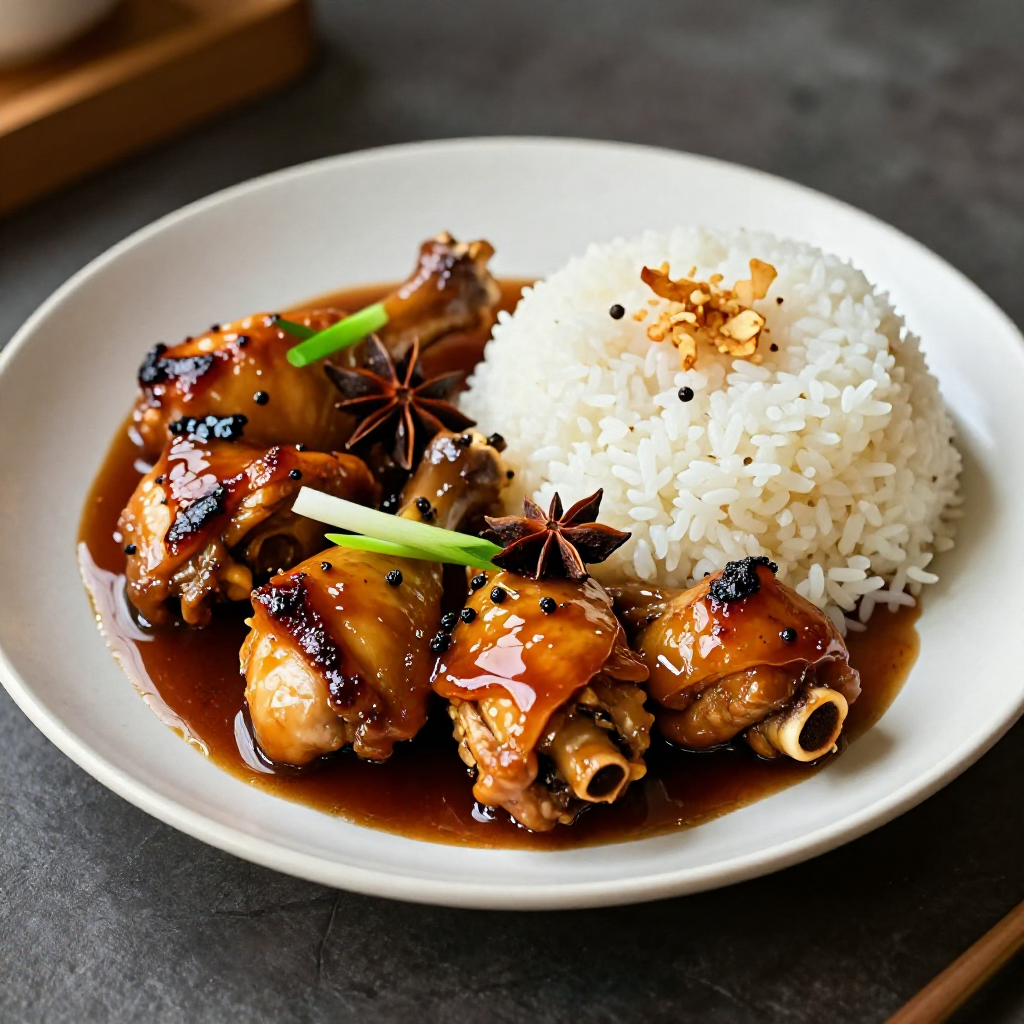
Pato Tim is a beloved Chinese-Filipino braised duck dish that has found a permanent home in Kapampangan kitchens. A whole duck is first seared to develop a golden skin, then slowly braised in a sweet-savory sauce of soy sauce, pineapple juice, and a splash of soda for a touch of sweetness. The braising liquid is infused with star anise, garlic, bay leaves, and Sichuan peppercorn — spices that give the dish its characteristic aromatic warmth. The result is a fork-tender duck with a glossy, thickened sauce that practically begs to be scooped with rice. Traditionally served with steamed carrots and broccoli as garnish, Pato Tim is a centerpiece dish for family gatherings and special occasions.
Instructions
- Thoroughly wash and clean the duck. Drain well and pat dry with paper towels. Season with 2 tablespoons of soy sauce, slathering it onto the skin and inside the cavity. Marinate for at least 1 hour in the refrigerator.
- In a deep wok or pan, heat the oil and fry the duck on both sides until seared to a light brown color. Transfer to a deep plate and set aside.
- In a mixing bowl, combine the remaining soy sauce, rice vinegar, oyster sauce, broth or water, brown sugar, and salt. Stir until the sugar dissolves completely.
- In a large wok or heavy-bottomed pot, place the browned duck and pour the sauce mixture over it. Add the star anise, crushed garlic, bay leaves, quartered onions, Sichuan peppercorn, and chicken bouillon cubes.
- Heat on medium flame. Once the liquid comes to a boil, lower the heat to the lowest setting — the liquid should just barely gurgler. Cover the pot and let the duck simmer gently.
- Cook for about 35 to 40 minutes per side, flipping the duck halfway through to ensure even cooking. The duck meat should be fork-tender. If the liquid reduces too much, add hot water gradually, 1 cup at a time.
- While the duck finishes cooking, prepare the garnish. Peel and cut the carrot into flowerets, then steam or boil until just cooked but still crunchy. You may also use bok choy, mushrooms, or Chinese cabbage.
- Check the sauce consistency. If it is not thick enough, stir in the cornstarch slurry over low heat until it reaches a glossy, coat-the-back-of-a-spoon thickness.
- Arrange the carrot flowerets on a large serving platter. Carefully place the whole duck in the center and pour the thickened sauce over it. Serve immediately with steamed rice.
Kitchen Tools We Recommend
Cook Pato Tim the easy way with the right tools. Shop our favorite kitchen essentials on Amazon — from reliable pots and pans to measuring tools that make Filipino cooking simpler.
🔥 Trending on Amazon right now — these products are selling fast. Check out what's climbing the charts.
As an Amazon Associate, I earn from qualifying purchases.
Pro Tips & Troubleshooting
The whole duck should be poached, not boiled. Keep the liquid at a gentle simmer — vigorous boiling toughens the duck skin and makes the meat stringy. Low and slow for 75 minutes renders the fat and tenderizes the meat.
Thicken the sauce with cornstarch slurry added gradually. Stir constantly to avoid lumps. The sauce should coat the back of a spoon — if it's too thin, add more slurry; too thick and it becomes gluey.
Sichuan peppercorns add a numbing, citrusy warmth. Toast them lightly in a dry pan before adding to amplify the aroma. Use sparingly — a quarter teaspoon is enough for 6 servings.
Cooking Tips
Taste and adjust seasoning toward the end of cooking. As liquids reduce, flavors concentrate, so what tastes balanced early may become too salty later.
Check liquid levels halfway through cooking and add hot water or broth if needed. Long-cooked dishes can dry out or burn if left unattended.
In true Kapampangan style — the food capital of the Philippines — don't be shy with the seasoning. Pampanga cooking is known for its bold, confident flavors.
Substitutions
Short on time? A pressure cooker (Instant Pot) can reduce cooking time by roughly half for most braised and stewed Filipino dishes. Reduce liquid slightly since less evaporates.
Storage & Reheating
Reheat on the stovetop over medium-low heat, adding a splash of water or broth if the sauce has thickened during storage. Microwave in 30-second bursts, stirring between each.
Comments (0)
Leave a comment