Pro Tips
**Chef's Tips & Troubleshooting:**
Use banana leaves that have been briefly passed over an open flame — this softens them and makes wrapping much easier. Wipe both sides with a damp cloth first to remove dust.
If banana leaves are unavailable, parchment paper squares work as a substitute, though they won't add the same grassy aroma.
Don't overcook — once the filling is heated through (about 5 minutes of steaming), the crabmeat is done. Over-steaming makes the buko mushy.
For a richer version, add scallops or peeled shrimp alongside the crabmeat.
The calamansi-chili dipping sauce is essential — the acid and heat cut through the richness of the coconut and crab.
Cooking Tips
Seafood cooks quickly — remove it from heat the moment it turns opaque and flakes easily with a fork. Overcooking makes it tough and rubbery. Pat shellfish dry before adding to the pan so they sear rather than steam. A hot, quick cook preserves their natural sweetness. Have all your ingredients prepped and measured before you start cooking — quick dishes leave no time for chopping mid-recipe.
Ingredient Substitutions
Short on time? A pressure cooker (Instant Pot) can reduce cooking time by roughly half for most braised and stewed Filipino dishes. Reduce liquid slightly since less evaporates.
Storage & Reheating
Store in an airtight container in the refrigerator for up to 3–4 days. The flavors often deepen overnight, making leftovers even more delicious. Seafood dishes are best consumed within 1–2 days. Reheat gently — microwave on low power or warm in a covered skillet over low heat to avoid overcooking. Do not refreeze thawed seafood dishes. Once reheated, consume immediately and do not re-refrigerate. Reheat on the stovetop over medium-low heat, adding a splash of water or broth if the sauce has thickened during storage. Microwave in 30-second bursts, stirring between each.
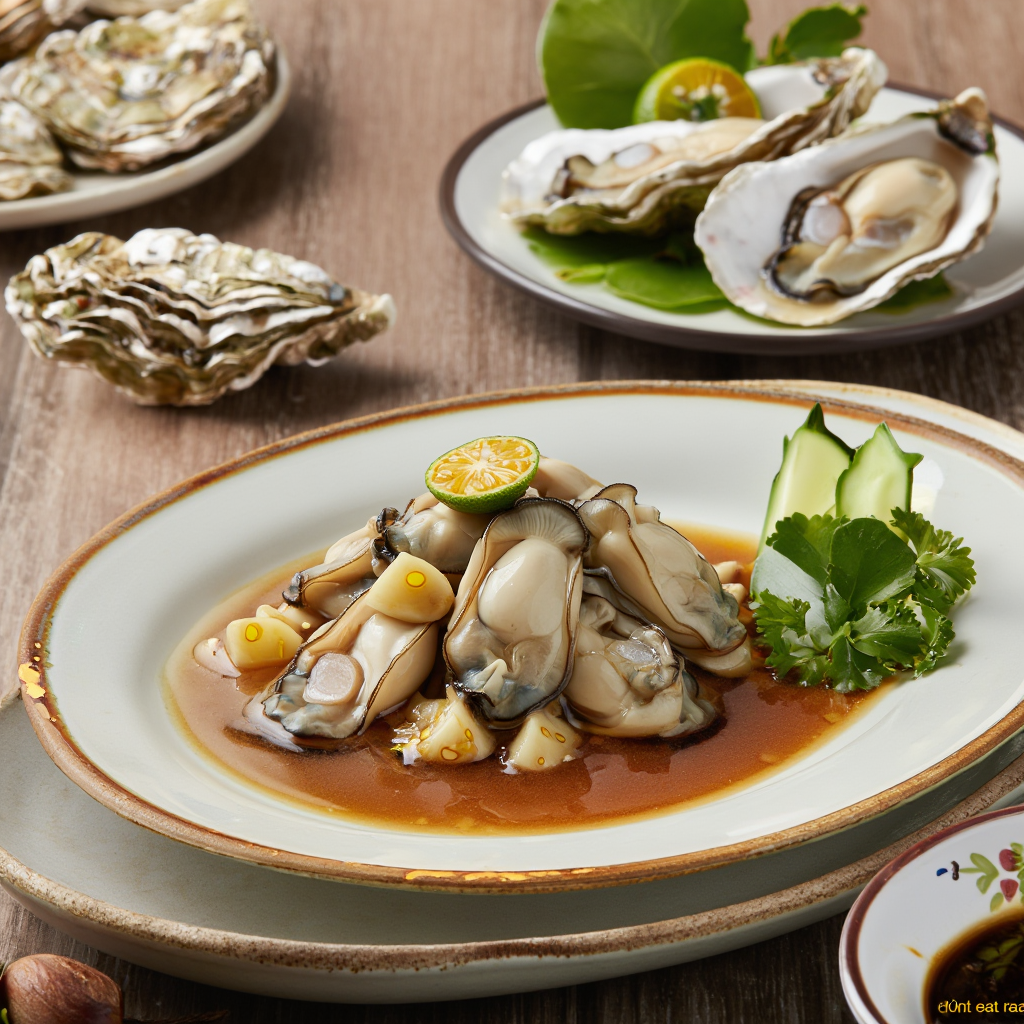
Kinagang
Kinagang is a refined heirloom dish from Irosin, Sorsogon, that showcases the Bicolano love for seafood and subtle aromatics. Unlike the fiery stews the region is known for, Kinagang takes a gentler approach — sweet lump crabmeat and shredded buko (young coconut) are mingled with scallions, shallots, and the bright, citrusy perfume of lemongrass. The filling is tightly wrapped in banana leaf parcels and steamed, allowing the banana leaf to impart its signature grassy sweetness while the seafood cooks through in minutes. Traditionally served alongside a dipping sauce of calamansi juice and chopped chilies, Kinagang is elegant enough for special occasions yet simple enough for family dinners. It was popularized by Filipino food advocates Amy Besa and Chef Romy Dorotan, who feature it as an appetizer at their Purple Yam restaurant.
Instructions
- Cut 8 pieces of banana leaves into 10x12 inch rectangles. Remove the tough central rib, then cut thin strips from the edges for tying. Pass the leaves over a medium flame on both sides to soften them, then wipe clean with a damp cloth.
- In a small bowl, mix the calamansi juice with chopped chilies. Set this dipping sauce aside.
- In a large bowl, combine the crabmeat, drained and coarsely chopped buko, sliced shallots, scallions, salt, and black pepper. Mix gently so the crabmeat doesn't break apart too much.
- Lay a banana leaf rectangle shiny-side up. Spoon about 1 cup of the crab-buko mixture into the center and flatten into a rough 4-inch square. Place two lemongrass sections on top.
- Wrap tightly: fold the sides over lengthwise first, then widthwise, creating a neat parcel. Place seam-side down and tie securely on both sides with the thin banana leaf strips.
- Repeat with the remaining banana leaves and filling.
- Arrange the parcels in a steamer basket over simmering water. Cover and steam for 5-7 minutes, just until heated through.
- Remove from the steamer and serve warm with the calamansi-chili dipping sauce on the side.
Kitchen Tools We Recommend
Cook Kinagang the easy way with the right tools. Shop our favorite kitchen essentials on Amazon — from reliable pots and pans to measuring tools that make Filipino cooking simpler.
🔥 Trending on Amazon right now — these products are selling fast. Check out what's climbing the charts.
As an Amazon Associate, I earn from qualifying purchases.
Pro Tips & Troubleshooting
Use banana leaves that have been briefly passed over an open flame — this softens them and makes wrapping much easier. Wipe both sides with a damp cloth first to remove dust.
If banana leaves are unavailable, parchment paper squares work as a substitute, though they won't add the same grassy aroma.
Don't overcook — once the filling is heated through (about 5 minutes of steaming), the crabmeat is done. Over-steaming makes the buko mushy.
For a richer version, add scallops or peeled shrimp alongside the crabmeat.
The calamansi-chili dipping sauce is essential — the acid and heat cut through the richness of the coconut and crab.
Cooking Tips
Pat shellfish dry before adding to the pan so they sear rather than steam. A hot, quick cook preserves their natural sweetness.
Have all your ingredients prepped and measured before you start cooking — quick dishes leave no time for chopping mid-recipe.
Substitutions
Storage & Reheating
Seafood dishes are best consumed within 1–2 days. Reheat gently — microwave on low power or warm in a covered skillet over low heat to avoid overcooking.
Do not refreeze thawed seafood dishes. Once reheated, consume immediately and do not re-refrigerate.
Reheat on the stovetop over medium-low heat, adding a splash of water or broth if the sauce has thickened during storage. Microwave in 30-second bursts, stirring between each.
Comments (0)
Leave a comment