Pro Tips
Use fresh banana leaves — trim the fibrous midribs and briefly pass them over an open flame to make them pliable and prevent cracking. The longer you steam inlagu, the better the flavors fuse. For an authentic touch, add native ginger and wild herbs from the Cordillera region.
Cooking Tips
For the most tender results, cook low and slow — a gentle simmer (not a vigorous boil) breaks down connective tissue without drying out the meat. Taste and adjust seasoning toward the end of cooking. As liquids reduce, flavors concentrate, so what tastes balanced early may become too salty later. Check liquid levels halfway through cooking and add hot water or broth if needed. Long-cooked dishes can dry out or burn if left unattended.
Ingredient Substitutions
Chicken alternatives: Pork shoulder or boneless thigh meat can substitute for chicken in stews. For lighter fare, extra-firm tofu or seitan works in stir-fries and braises. Short on time? A pressure cooker (Instant Pot) can reduce cooking time by roughly half for most braised and stewed Filipino dishes. Reduce liquid slightly since less evaporates.
Storage & Reheating
Store in an airtight container in the refrigerator for up to 3–4 days. The flavors often deepen overnight, making leftovers even more delicious. Reheat on the stovetop over medium-low heat, adding a splash of water or broth if the sauce has thickened during storage. Microwave in 30-second bursts, stirring between each.
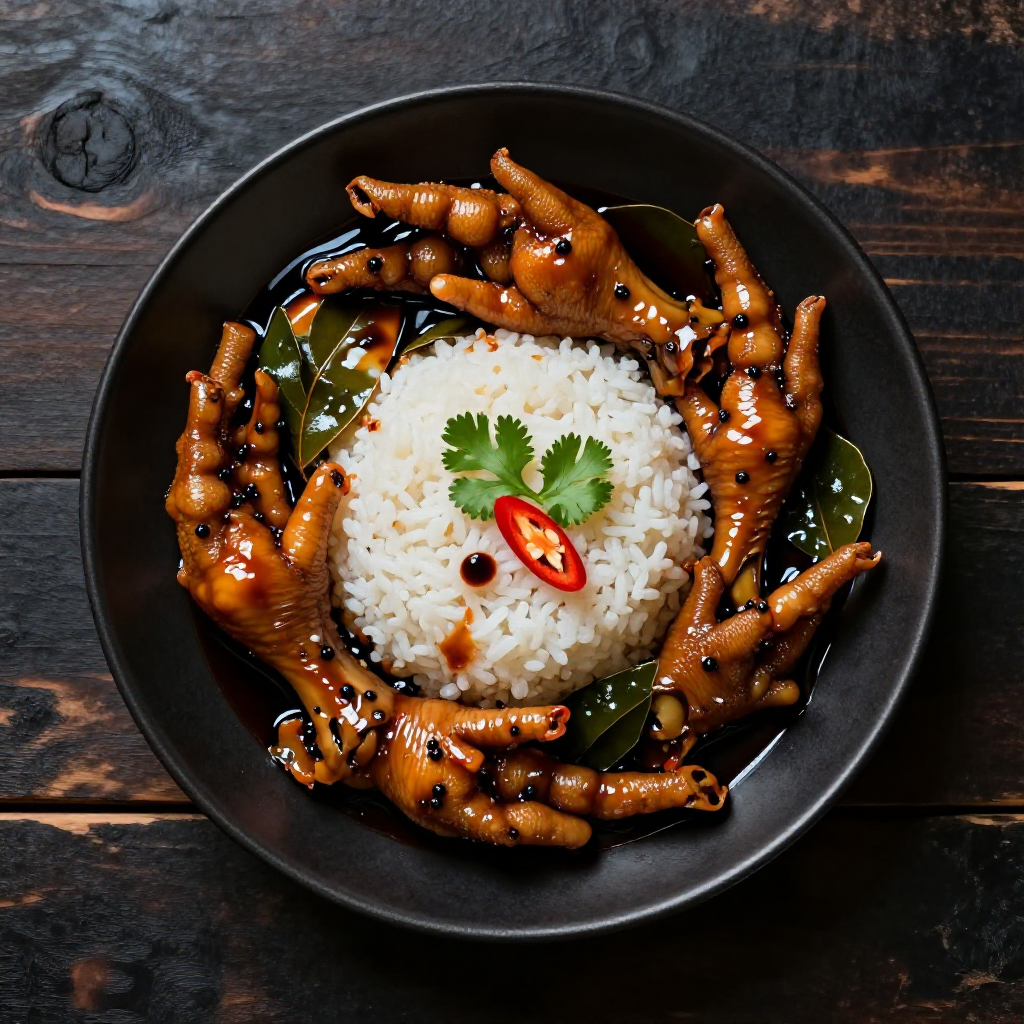
Inlagu
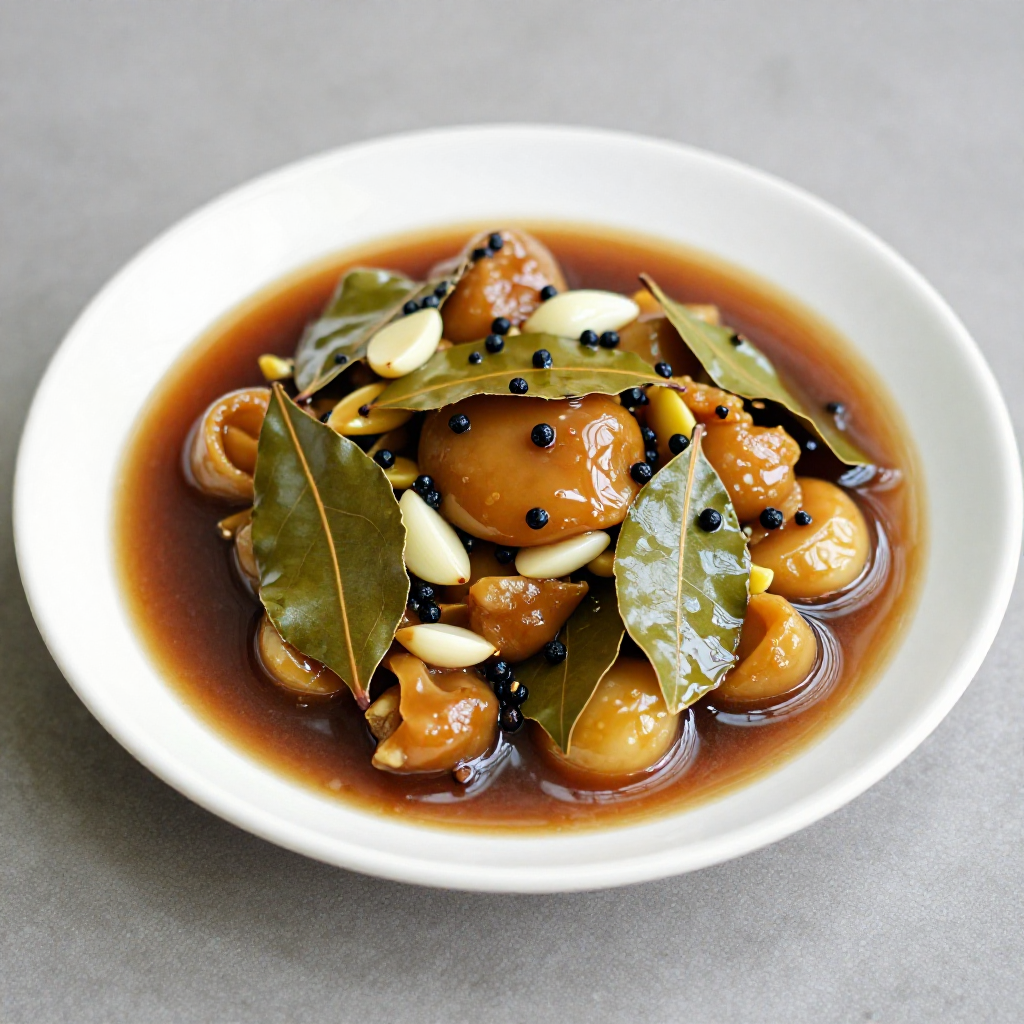
Inlagu is a humble yet deeply satisfying Ifugao dish that brings together glutinous rice, tender pork or chicken, and indigenous spices — all wrapped in banana leaves and steamed until the flavors meld. Think of it as a savory suman meets a slow-cooked stew, with the banana leaf imparting a subtle fragrance. Traditionally prepared for festivals, weddings, and communal feasts, inlagu is a dish that speaks of patience, sharing, and the Ifugao connection to the land.
Instructions
- Wash the glutinous rice and soak in water for at least 2 hours. Drain well.
- In a large bowl, combine the drained rice with cubed pork (and chicken if using), sliced onions, minced garlic, sliced ginger, salt, pepper, fish sauce, and indigenous herbs. Mix thoroughly so every grain is coated.
- Prepare the banana leaves by trimming the stiff central ribs. Briefly pass each leaf over a flame or hot pan to soften them — this prevents tearing when wrapping.
- Cut the banana leaves into rectangular portions large enough to hold the filling. Place about 1 cup of the rice-meat mixture in the center of each leaf.
- Fold the banana leaf edges over the filling to form a neat rectangular packet. Secure with small wooden skewers or kitchen twine to keep the packets tight during steaming.
- Arrange the packets in a large steamer or a pot fitted with a steaming rack. Pour enough water in the pot so it comes about 2 inches below the rack. Cover and steam on medium heat for 75 to 90 minutes, checking the water level periodically and adding hot water as needed.
- Remove carefully from the steamer. Let cool for 5 minutes before unwrapping. Serve warm, directly from the banana leaves for the fullest aroma.
Kitchen Tools We Recommend
Cook Inlagu the easy way with the right tools. Shop our favorite kitchen essentials on Amazon — from reliable pots and pans to measuring tools that make Filipino cooking simpler.
🔥 Trending on Amazon right now — these products are selling fast. Check out what's climbing the charts.
As an Amazon Associate, I earn from qualifying purchases.
Pro Tips & Troubleshooting
Cooking Tips
Taste and adjust seasoning toward the end of cooking. As liquids reduce, flavors concentrate, so what tastes balanced early may become too salty later.
Check liquid levels halfway through cooking and add hot water or broth if needed. Long-cooked dishes can dry out or burn if left unattended.
Substitutions
Short on time? A pressure cooker (Instant Pot) can reduce cooking time by roughly half for most braised and stewed Filipino dishes. Reduce liquid slightly since less evaporates.
Storage & Reheating
Reheat on the stovetop over medium-low heat, adding a splash of water or broth if the sauce has thickened during storage. Microwave in 30-second bursts, stirring between each.
Comments (0)
Leave a comment