Pro Tips
**Chef's Tips & Troubleshooting:**
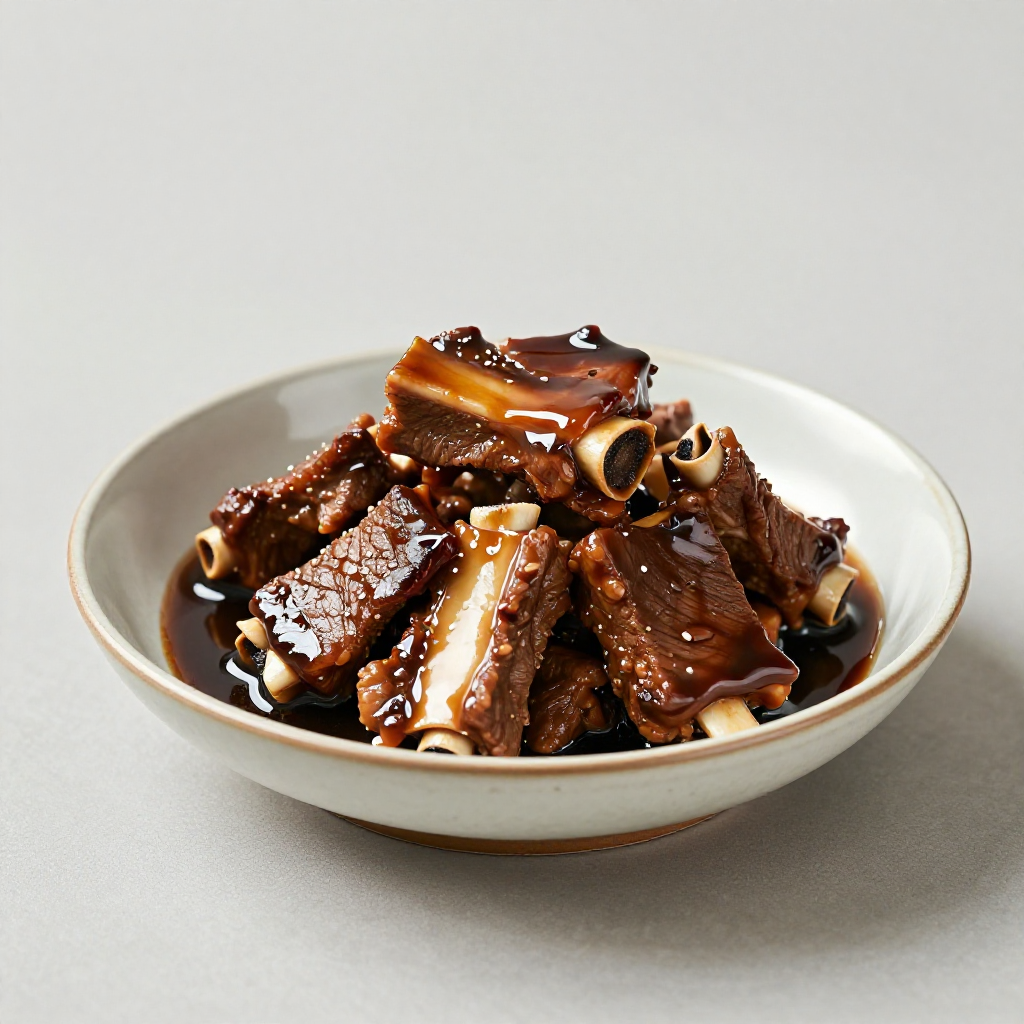
- For oxtail or beef shanks, the connective tissue needs prolonged simmering to become gelatinous and tender.
- Season beef stew with fish sauce instead of salt for a deeper umami character.
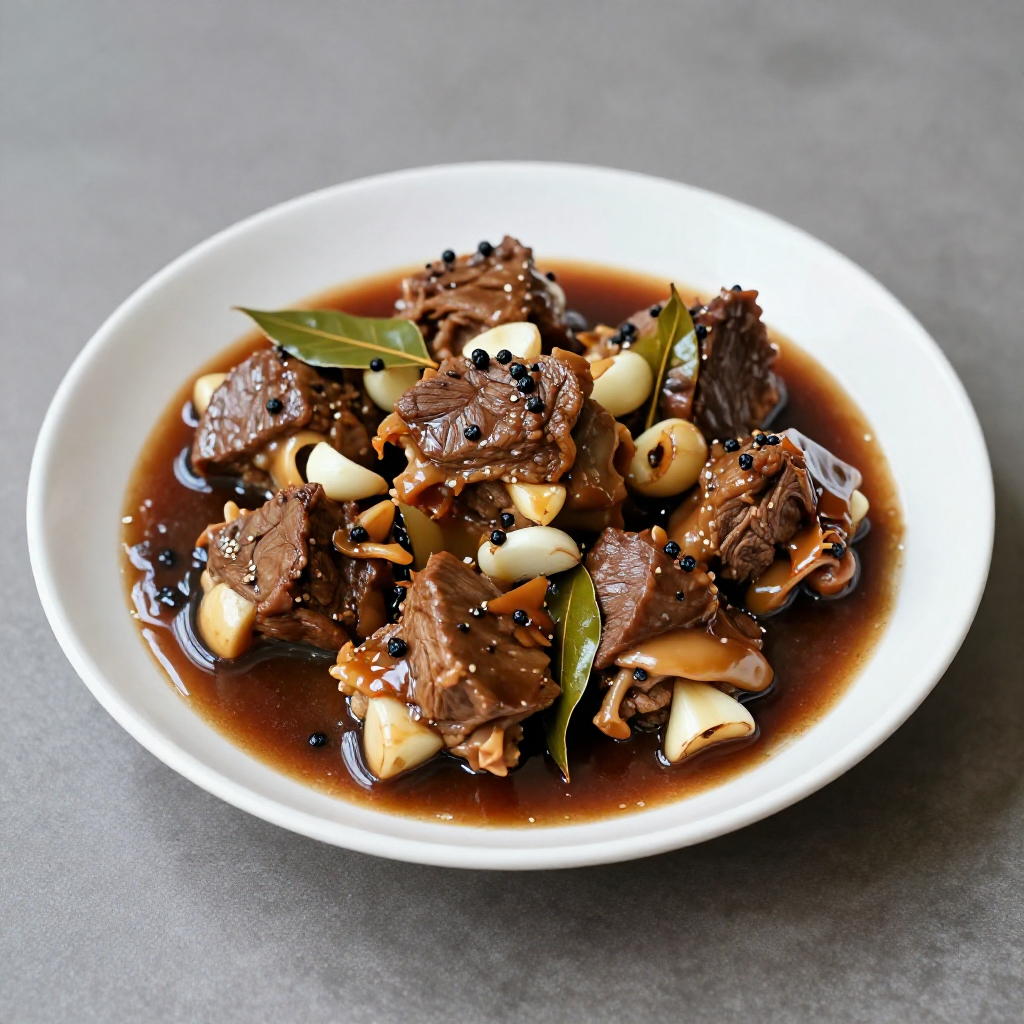
- Add a bay leaf or two to beef stews for an earthy herbal note that complements the meat.
- Simmer tough beef cuts low and slow for 1.5 to 2 hours until fork-tender.
Cooking Tips
Pat the meat completely dry with paper towels before frying — moisture is the enemy of crispiness. Use a thermometer to maintain oil temperature at 350–375°F (175–190°C). If the oil is too cool, the food absorbs grease; too hot and it burns on the outside before cooking through. Have all your ingredients prepped and measured before you start cooking — quick dishes leave no time for chopping mid-recipe.
Ingredient Substitutions
Beef alternatives: For stews, pork shoulder or oxtail provide similar richness. For steaks, try portobello mushrooms or cauliflower steaks for a vegetarian twist. Short on time? A pressure cooker (Instant Pot) can reduce cooking time by roughly half for most braised and stewed Filipino dishes. Reduce liquid slightly since less evaporates.
Storage & Reheating
Store in an airtight container in the refrigerator for up to 3–4 days. The flavors often deepen overnight, making leftovers even more delicious. Reheat on the stovetop over medium-low heat, adding a splash of water or broth if the sauce has thickened during storage. Microwave in 30-second bursts, stirring between each.

Tender Juicy Rib Eye Steak Using a Frying Pan
This recipe will give you a rare rib eye steak. Increase the time to cook each side to get less pink in the middle.
Instructions
- Sprinkle salt and pepper on both sides of the steaks. Rub and make sure that all the area are completely covered. Let it stay for 10 minutes
- Heat the cooking oil in a pan.
- Gently fry one side of the steak for 1 minute.
- Turn the steak over to fry the other side. Add garlic and bay leaves and fry for 1 minute. Scoop some butter and oil over the steak while frying.
- Flip the steak to continue to cook the other side. For rare steaks do this step until each side is cooked for a total of 3 minutes. If you do not like some pink in your steak, cook it a little bit longer.
- Take off the steaks from the pan. Lay it fat over a wooden chopping board. Let it rest for 10 minutes.
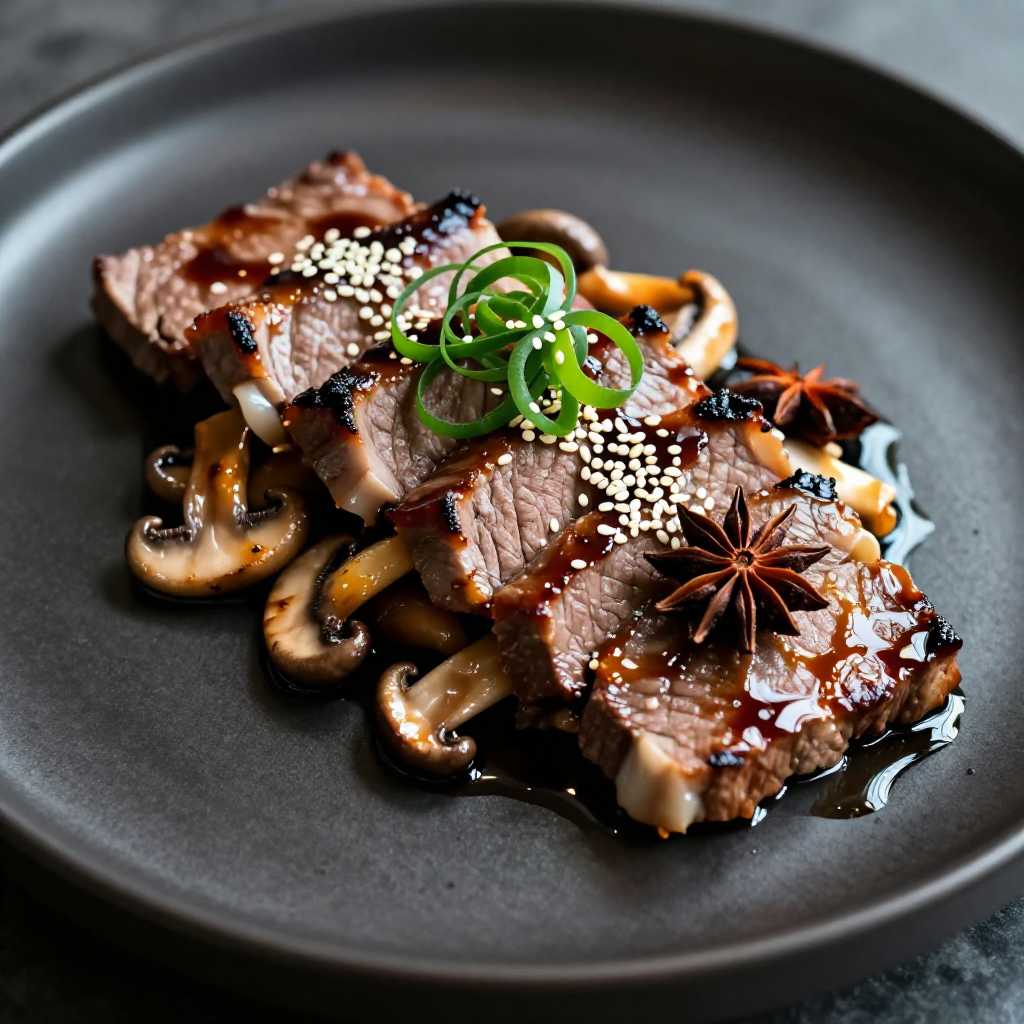
- Slice the juicy rib eye steaks. Enjoy!
Kitchen Tools We Recommend
Cook Tender Juicy Rib Eye Steak Using a Frying Pan the easy way with the right tools. Shop our favorite kitchen essentials on Amazon — from reliable pots and pans to measuring tools that make Filipino cooking simpler.
🔥 Trending on Amazon right now — these products are selling fast. Check out what's climbing the charts.
As an Amazon Associate, I earn from qualifying purchases.
Pro Tips & Troubleshooting
- For oxtail or beef shanks, the connective tissue needs prolonged simmering to become gelatinous and tender.
- Season beef stew with fish sauce instead of salt for a deeper umami character.
- Add a bay leaf or two to beef stews for an earthy herbal note that complements the meat.
- Simmer tough beef cuts low and slow for 1.5 to 2 hours until fork-tender.
Cooking Tips
Use a thermometer to maintain oil temperature at 350–375°F (175–190°C). If the oil is too cool, the food absorbs grease; too hot and it burns on the outside before cooking through.
Have all your ingredients prepped and measured before you start cooking — quick dishes leave no time for chopping mid-recipe.
Substitutions
Short on time? A pressure cooker (Instant Pot) can reduce cooking time by roughly half for most braised and stewed Filipino dishes. Reduce liquid slightly since less evaporates.
Storage & Reheating
Reheat on the stovetop over medium-low heat, adding a splash of water or broth if the sauce has thickened during storage. Microwave in 30-second bursts, stirring between each.
Comments (0)
Leave a comment