Pro Tips
**Chef's Tips & Troubleshooting:**
- Let meats rest after cooking so the juices redistribute for a more tender result.
- If a recipe calls for fresh produce, it matters — canned or frozen substitutes change the texture and brightness of the dish.
- Filipino dishes are built on balance — taste your sauce before serving and add a pinch of sugar or a splash of vinegar if something feels off.
Cooking Tips
Pat the meat completely dry with paper towels before frying — moisture is the enemy of crispiness. Use a thermometer to maintain oil temperature at 350–375°F (175–190°C). If the oil is too cool, the food absorbs grease; too hot and it burns on the outside before cooking through.
Ingredient Substitutions
Out of cane vinegar? White vinegar, apple cider vinegar, or rice vinegar all work — each brings its own subtle character. Avoid balsamic (too sweet) or distilled white (too harsh). Lemon or calamansi juice can replace vinegar in most marinades and braises. Add a pinch of sugar to balance the acidity. Chicken alternatives: Pork shoulder or boneless thigh meat can substitute for chicken in stews. For lighter fare, extra-firm tofu or seitan works in stir-fries and braises. Short on time? A pressure cooker (Instant Pot) can reduce cooking time by roughly half for most braised and stewed Filipino dishes. Reduce liquid slightly since less evaporates.
Storage & Reheating
Store in an airtight container in the refrigerator for up to 3–4 days. The flavors often deepen overnight, making leftovers even more delicious. Reheat on the stovetop over medium-low heat, adding a splash of water or broth if the sauce has thickened during storage. Microwave in 30-second bursts, stirring between each.
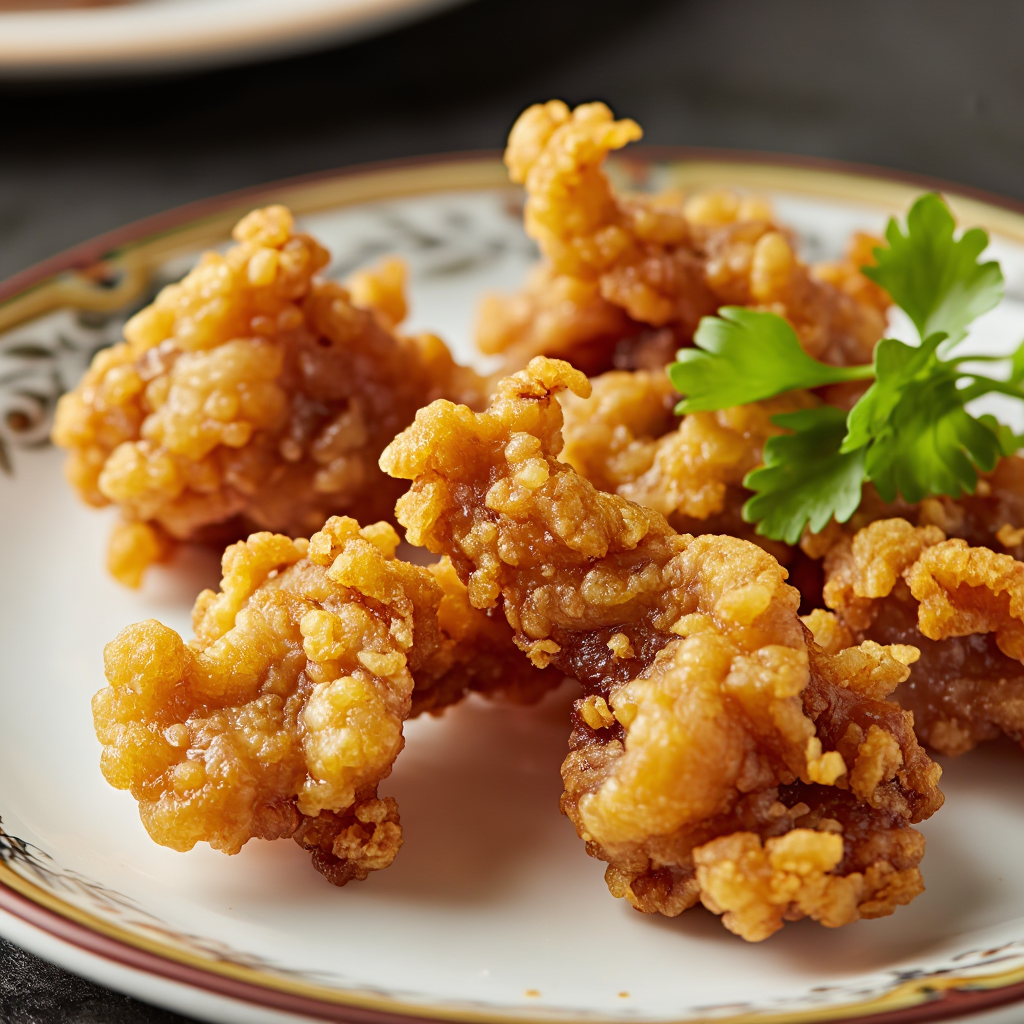
Chicken Skin Chicharon
Level up your finger food game with super crispy chicken skin chicharon! These chicken rinds are crunchy, tasty, and delicious as appetizers or snacks. Plus, they're high in fat and have zero net carbs, making them keto-friendly.
Instructions
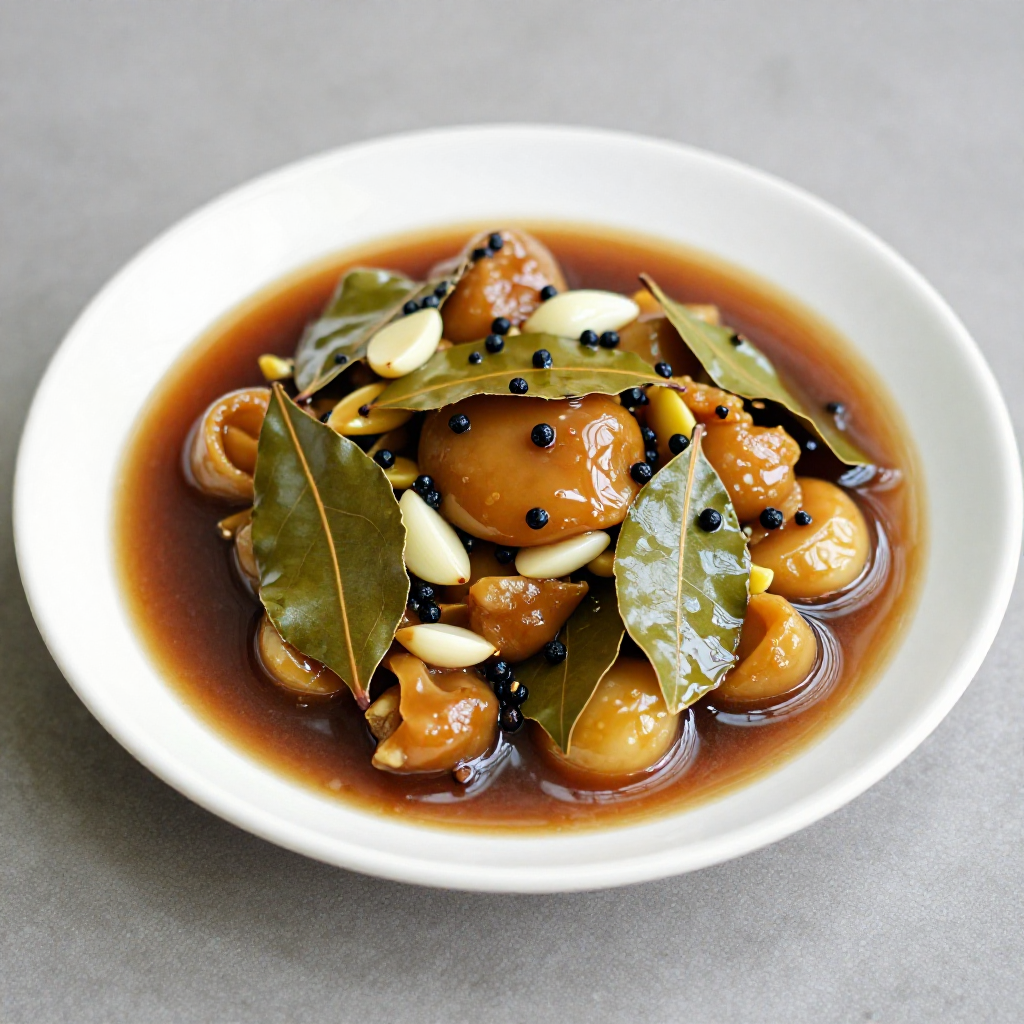
- In a pot on medium heat, combine chicken skin, water, vinegar, garlic, peppercorns, and salt. Get it boiling.
- Lower heat and Keep cooking until skins render fat and are softened but not falling apart.
- Use a slotted spoon, remove the skins from the pot. Remove any stray peppercorns, garlic, and bay leaves, and discard.
- Arrange skins in a single layer on a baking sheet. Place in the refrigerator, uncovered, for about 1 hour or until completely cold.
- Gently scrape away any subcutaneous fat. cut into about 4-inch pieces. using spoon
- In a 180 F oven, bake skins for about 2 to 3 hours or until dry with just a bit of flexibility.
- In a deep, heavy-bottomed pot, heat about 3-inches deep of lard or canola oil to 350 to 375 F.
- Add chicken skins and deep-fry until they begin to puff and start to float. Do not overcrowd pan and cook in batches as needed.
- Use a slotted spoon, remove from heat and drain on paper towels. Serve with spiced vinegar.
Kitchen Tools We Recommend
Cook Chicken Skin Chicharon the easy way with the right tools. Shop our favorite kitchen essentials on Amazon — from reliable pots and pans to measuring tools that make Filipino cooking simpler.
🔥 Trending on Amazon right now — these products are selling fast. Check out what's climbing the charts.
As an Amazon Associate, I earn from qualifying purchases.
Pro Tips & Troubleshooting
- Let meats rest after cooking so the juices redistribute for a more tender result.
- If a recipe calls for fresh produce, it matters — canned or frozen substitutes change the texture and brightness of the dish.
- Filipino dishes are built on balance — taste your sauce before serving and add a pinch of sugar or a splash of vinegar if something feels off.
Cooking Tips
Use a thermometer to maintain oil temperature at 350–375°F (175–190°C). If the oil is too cool, the food absorbs grease; too hot and it burns on the outside before cooking through.
Substitutions
Lemon or calamansi juice can replace vinegar in most marinades and braises. Add a pinch of sugar to balance the acidity.
Chicken alternatives: Pork shoulder or boneless thigh meat can substitute for chicken in stews. For lighter fare, extra-firm tofu or seitan works in stir-fries and braises.
Short on time? A pressure cooker (Instant Pot) can reduce cooking time by roughly half for most braised and stewed Filipino dishes. Reduce liquid slightly since less evaporates.
Storage & Reheating
Reheat on the stovetop over medium-low heat, adding a splash of water or broth if the sauce has thickened during storage. Microwave in 30-second bursts, stirring between each.
Comments (0)
Leave a comment