Pro Tips
**Chef's Tips & Troubleshooting:**
- Cook chicken until the internal temperature reaches 165°F at the thickest part of the breast.
- For roasted chicken, let it rest for 10 minutes after cooking before carving to retain juices.
- Start cooking chicken thighs and legs before adding breast pieces since dark meat takes longer.
- Do not overcrowd the pan when frying chicken — this lowers the oil temperature and makes it soggy.
Cooking Tips
For the most tender results, cook low and slow — a gentle simmer (not a vigorous boil) breaks down connective tissue without drying out the meat. Taste and adjust seasoning toward the end of cooking. As liquids reduce, flavors concentrate, so what tastes balanced early may become too salty later. True to Ilocano tradition, this Chicken Igado pairs wonderfully with a side of steamed rice and fresh bagoong (fermented shrimp paste) for an authentic regional experience.
Ingredient Substitutions
Chicken alternatives: Pork shoulder or boneless thigh meat can substitute for chicken in stews. For lighter fare, extra-firm tofu or seitan works in stir-fries and braises. Short on time? A pressure cooker (Instant Pot) can reduce cooking time by roughly half for most braised and stewed Filipino dishes. Reduce liquid slightly since less evaporates.
Storage & Reheating
Store in an airtight container in the refrigerator for up to 3–4 days. The flavors often deepen overnight, making leftovers even more delicious. Reheat on the stovetop over medium-low heat, adding a splash of water or broth if the sauce has thickened during storage. Microwave in 30-second bursts, stirring between each.
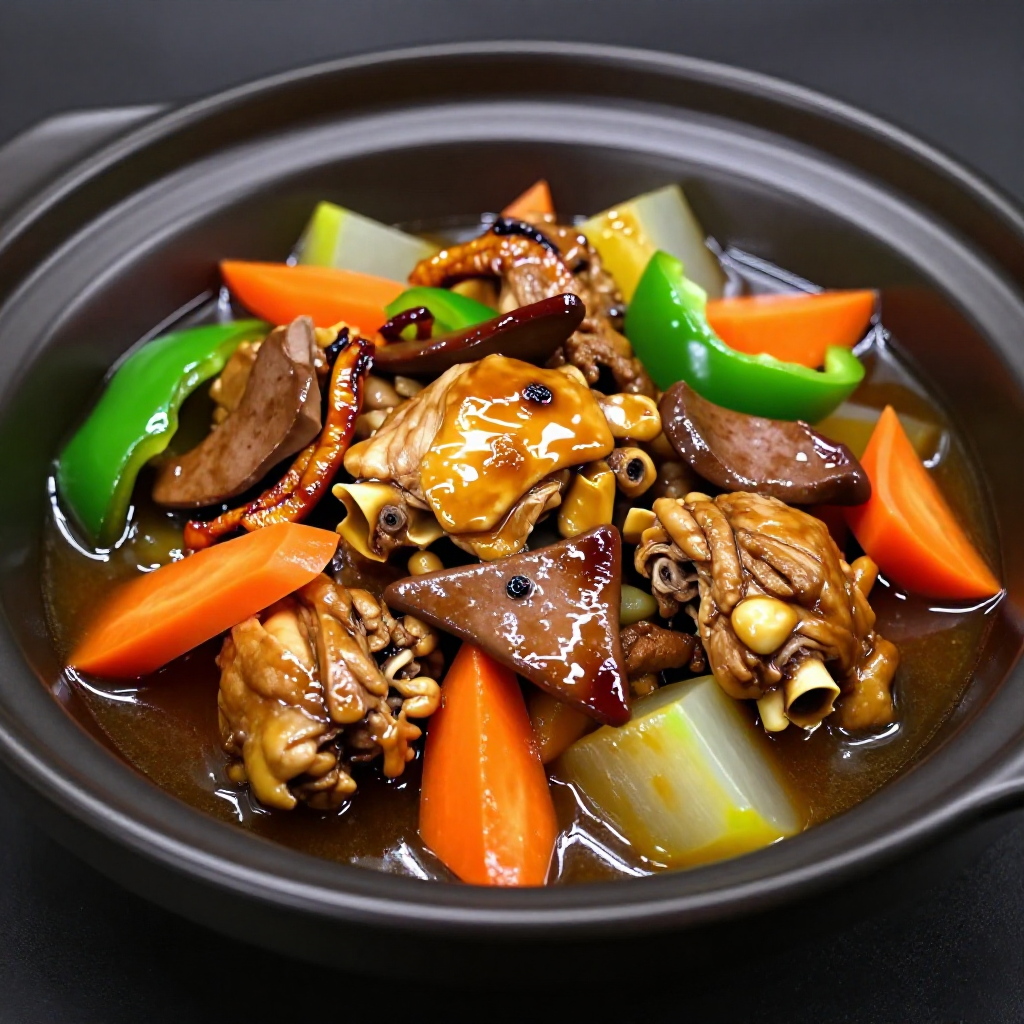
Chicken Igado
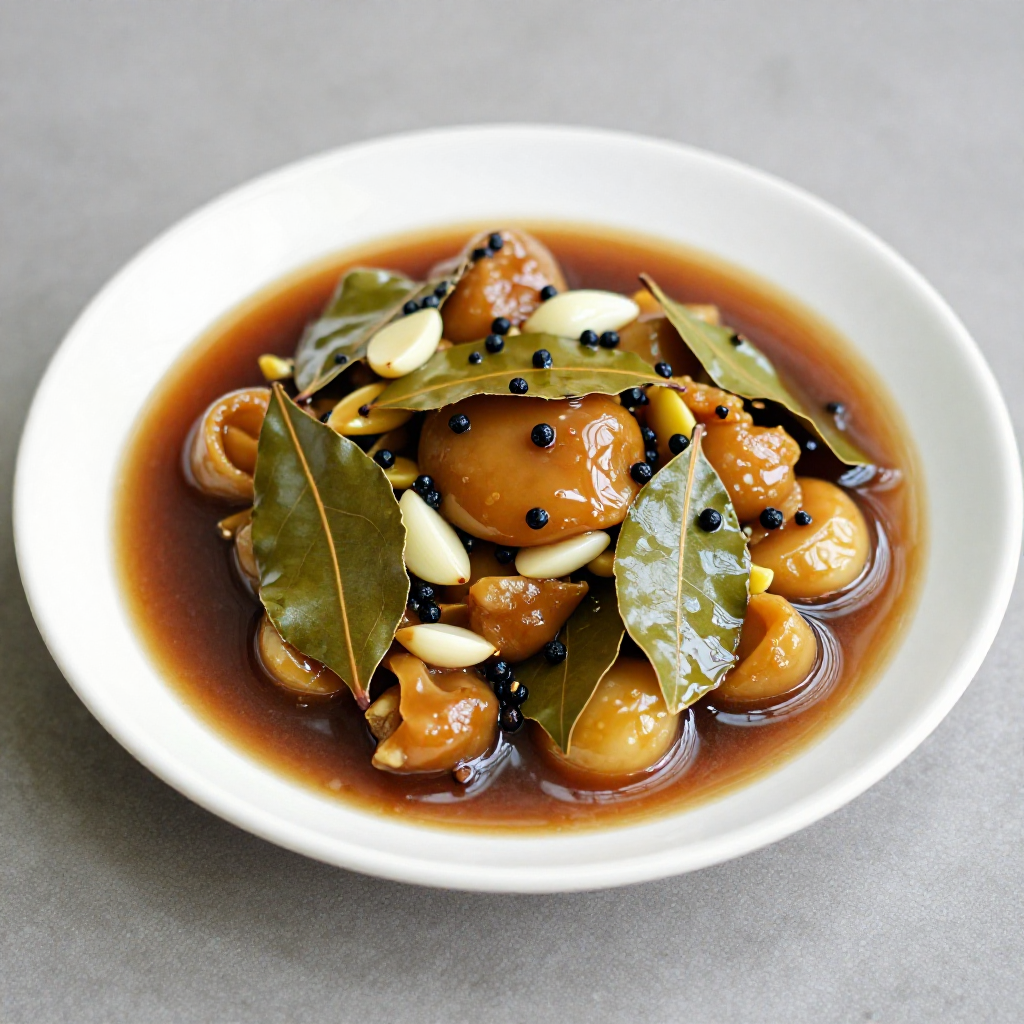
Chicken igado — a twist on the classic Ilocano pork liver stew, made with chicken liver and tender chicken strips in a tangy soy-vinegar sauce with bell peppers.
Instructions
- Heat 3 tablespoons of oil in a cooking pot. Pan-fry chicken liver for 2 minutes. Turn it over and fry the opposite side. Transfer the fried liver on a clean plate. Set aside. Note: There will be liquid coming out of the liver. Let it evaporate completely and continue frying until the liver turns light brown. Do the same step until the liver is completely cooked. Do not over fry it though to keep it from tasting bitter.
- Wipe the same pan with a clean paper towel to remove most of the liver residue. Heat remaining cooking oil. Saute garlic until it starts to brown. Add onion and continue sautéing until it softens.
- Incorporate chicken heart. Saute for 2 minutes.
- Pour soy sauce and vinegar into the pot. Cover the pot and let the mixture boil. Cook for 1 minute.
- Incorporate bay leaves and water. Cover the pot. Continue cooking using low to medium heat for 35 minutes. Note: add more water if needed.
- Put the fried liver into the pot. Stir. Cover and cook for 3 minutes.
- Incorporate carrot, bell pepper, and green peas. Cover and continue cooking for 2 minutes.
- Season with salt and ground black pepper.
- Transfer to a serving plate. Serve and enjoy!
Kitchen Tools We Recommend
Cook Chicken Igado the easy way with the right tools. Shop our favorite kitchen essentials on Amazon — from reliable pots and pans to measuring tools that make Filipino cooking simpler.
🔥 Trending on Amazon right now — these products are selling fast. Check out what's climbing the charts.
As an Amazon Associate, I earn from qualifying purchases.
Pro Tips & Troubleshooting
- Cook chicken until the internal temperature reaches 165°F at the thickest part of the breast.
- For roasted chicken, let it rest for 10 minutes after cooking before carving to retain juices.
- Start cooking chicken thighs and legs before adding breast pieces since dark meat takes longer.
- Do not overcrowd the pan when frying chicken — this lowers the oil temperature and makes it soggy.
Cooking Tips
Taste and adjust seasoning toward the end of cooking. As liquids reduce, flavors concentrate, so what tastes balanced early may become too salty later.
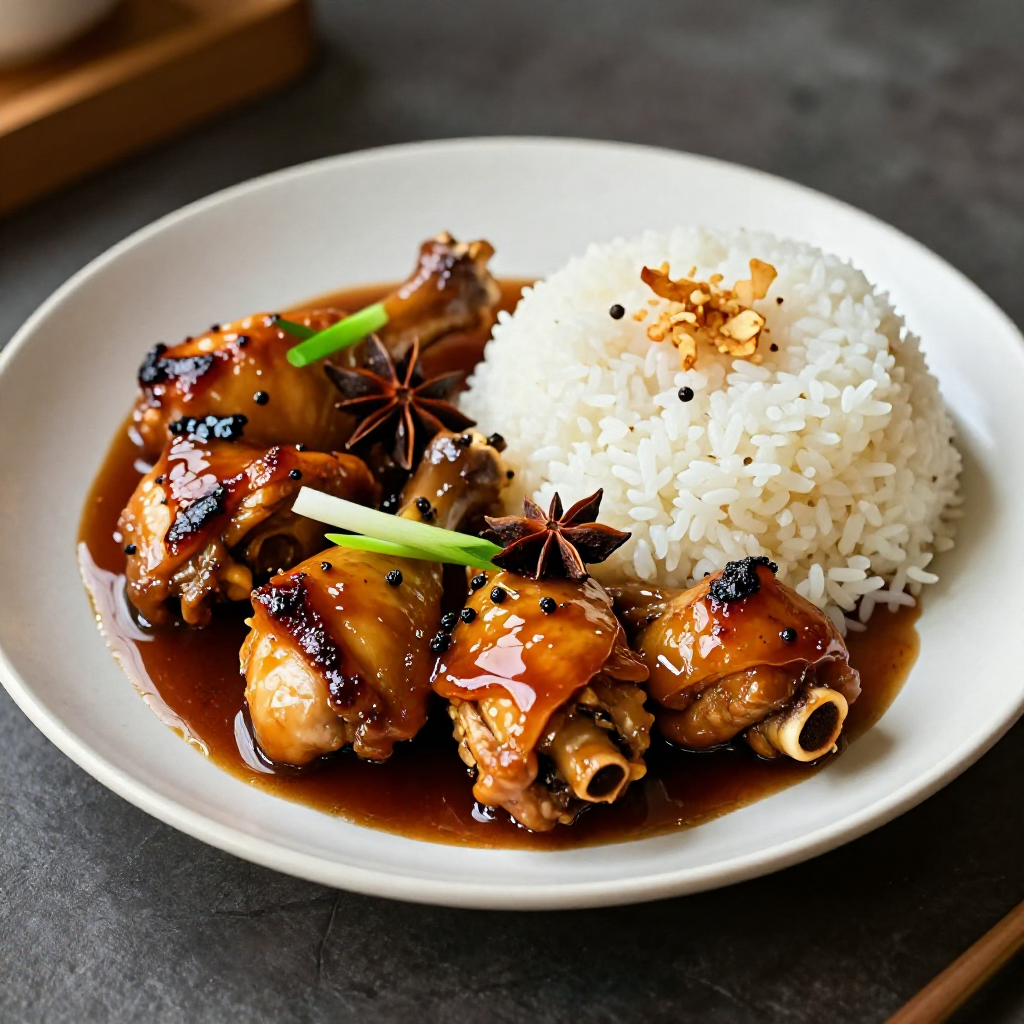
True to Ilocano tradition, this Chicken Igado pairs wonderfully with a side of steamed rice and fresh bagoong (fermented shrimp paste) for an authentic regional experience.
Substitutions
Short on time? A pressure cooker (Instant Pot) can reduce cooking time by roughly half for most braised and stewed Filipino dishes. Reduce liquid slightly since less evaporates.
Storage & Reheating
Reheat on the stovetop over medium-low heat, adding a splash of water or broth if the sauce has thickened during storage. Microwave in 30-second bursts, stirring between each.
Comments (0)
Leave a comment