Pro Tips
**Chef's Tips & Troubleshooting:**
- For adobo-style dishes, let the vinegar boil uncovered for 2-3 minutes to mellow its raw acidity.
- Use equal parts soy sauce and vinegar for a balanced savory-sour adobo sauce.
- Bay leaves add earthy depth to adobo — add them early but remove before serving if desired.
- Pat the beef dry with paper towels before searing to achieve a good brown crust.
Cooking Tips
Pat the meat completely dry with paper towels before frying — moisture is the enemy of crispiness. Use a thermometer to maintain oil temperature at 350–375°F (175–190°C). If the oil is too cool, the food absorbs grease; too hot and it burns on the outside before cooking through. Have all your ingredients prepped and measured before you start cooking — quick dishes leave no time for chopping mid-recipe.
Ingredient Substitutions
No soy sauce? Use tamari (gluten-free), coconut aminos (paleo-friendly), or a mix of fish sauce and water for a different but delicious umami profile. For a low-sodium version, use light soy sauce or dilute regular soy sauce with a splash of water or broth. Out of cane vinegar? White vinegar, apple cider vinegar, or rice vinegar all work — each brings its own subtle character. Avoid balsamic (too sweet) or distilled white (too harsh). Lemon or calamansi juice can replace vinegar in most marinades and braises. Add a pinch of sugar to balance the acidity. Chicken alternatives: Pork shoulder or boneless thigh meat can substitute for chicken in stews. For lighter fare, extra-firm tofu or seitan works in stir-fries and braises.
Storage & Reheating
Store in an airtight container in the refrigerator for up to 3–4 days. The flavors often deepen overnight, making leftovers even more delicious. This dish freezes exceptionally well — portion into freezer-safe containers and store for up to 3 months. Thaw overnight in the refrigerator before reheating. When reheating frozen portions, add a splash of water or broth to restore the original consistency, as some liquid is absorbed during storage. Reheat on the stovetop over medium-low heat, adding a splash of water or broth if the sauce has thickened during storage. Microwave in 30-second bursts, stirring between each.
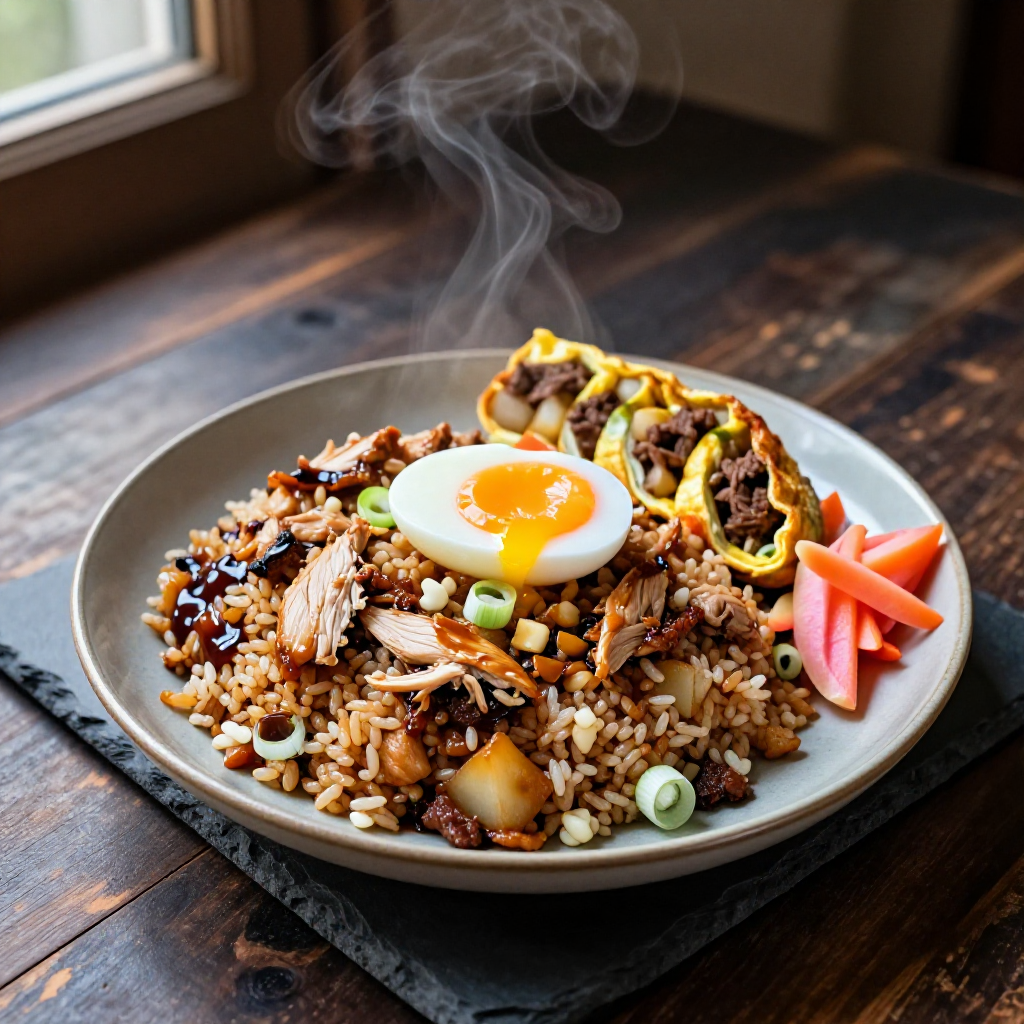
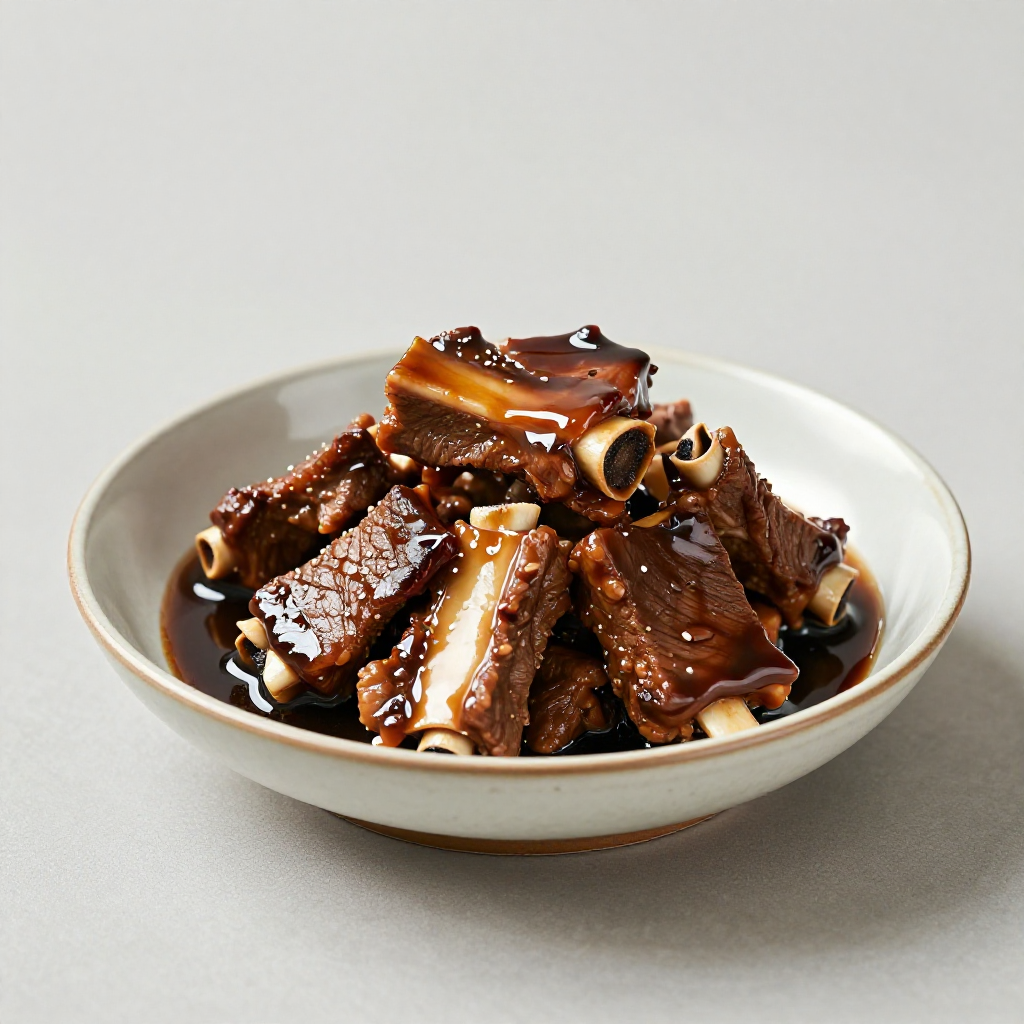
Chicken Adobo Fried Rice and Tortang Corned Beef
Classic Filipino chicken adobo — tender meat braised in soy sauce, vinegar, garlic, bay leaves, and black pepper. Best over rice.
Instructions
- Prepare the omelette by combining corned beef, egg, and ground black pepper in a bowl. Mix well.
- Heat 4 tablespoons of cooking oil in a pan. Scoop a quarter portion of the corned beef mixture and fry. Gently flatten the mixture in the pan and continue to fry in medium heat for 1 to 2 minutes. Flip the corned beef omelette and fry the opposite side until done. Remove from the pan and place in a clean plate. Perform the same steps until the mixture is completely consumed.
- Prepare the rice by combining rice and salt. Gently mix while trying to separate the rice with each other.
- Heat 3 tablespoons oil in a pan. Add crushed garlic. Continue to cook in medium heat until garlic turns light brown in color.
- Add chopped chicken adobo. Stir-fry for 1 minute.
- Add rice. Toss and stir-fry for 3 to 5 minutes.
- Transfer to the chicken adobo fried rice in a plate and then top with tortang corned beef. Serve with your favorite condiment.
Kitchen Tools We Recommend
Cook Chicken Adobo Fried Rice and Tortang Corned Beef the easy way with the right tools. Shop our favorite kitchen essentials on Amazon — from reliable pots and pans to measuring tools that make Filipino cooking simpler.
🔥 Trending on Amazon right now — these products are selling fast. Check out what's climbing the charts.
As an Amazon Associate, I earn from qualifying purchases.
Pro Tips & Troubleshooting
- For adobo-style dishes, let the vinegar boil uncovered for 2-3 minutes to mellow its raw acidity.
- Use equal parts soy sauce and vinegar for a balanced savory-sour adobo sauce.
- Bay leaves add earthy depth to adobo — add them early but remove before serving if desired.
- Pat the beef dry with paper towels before searing to achieve a good brown crust.
Cooking Tips
Use a thermometer to maintain oil temperature at 350–375°F (175–190°C). If the oil is too cool, the food absorbs grease; too hot and it burns on the outside before cooking through.
Have all your ingredients prepped and measured before you start cooking — quick dishes leave no time for chopping mid-recipe.
Substitutions
For a low-sodium version, use light soy sauce or dilute regular soy sauce with a splash of water or broth.
Out of cane vinegar? White vinegar, apple cider vinegar, or rice vinegar all work — each brings its own subtle character. Avoid balsamic (too sweet) or distilled white (too harsh).
Lemon or calamansi juice can replace vinegar in most marinades and braises. Add a pinch of sugar to balance the acidity.
Chicken alternatives: Pork shoulder or boneless thigh meat can substitute for chicken in stews. For lighter fare, extra-firm tofu or seitan works in stir-fries and braises.
Storage & Reheating
This dish freezes exceptionally well — portion into freezer-safe containers and store for up to 3 months. Thaw overnight in the refrigerator before reheating.
When reheating frozen portions, add a splash of water or broth to restore the original consistency, as some liquid is absorbed during storage.
Reheat on the stovetop over medium-low heat, adding a splash of water or broth if the sauce has thickened during storage. Microwave in 30-second bursts, stirring between each.
Comments (0)
Leave a comment