Pro Tips
**Chef's Tips & Troubleshooting:**
- Filipino dishes are built on balance — taste your sauce before serving and add a pinch of sugar or a splash of vinegar if something feels off.
- Sauté aromatics (garlic, onion) until fragrant before adding liquids — it builds a deeper flavor base.
- Let meats rest after cooking so the juices redistribute for a more tender result.
Cooking Tips
Pat the meat completely dry with paper towels before frying — moisture is the enemy of crispiness. Use a thermometer to maintain oil temperature at 350–375°F (175–190°C). If the oil is too cool, the food absorbs grease; too hot and it burns on the outside before cooking through.
Ingredient Substitutions
Chicken alternatives: Pork shoulder or boneless thigh meat can substitute for chicken in stews. For lighter fare, extra-firm tofu or seitan works in stir-fries and braises. Short on time? A pressure cooker (Instant Pot) can reduce cooking time by roughly half for most braised and stewed Filipino dishes. Reduce liquid slightly since less evaporates.
Storage & Reheating
Store in an airtight container in the refrigerator for up to 3–4 days. The flavors often deepen overnight, making leftovers even more delicious. Reheat on the stovetop over medium-low heat, adding a splash of water or broth if the sauce has thickened during storage. Microwave in 30-second bursts, stirring between each.
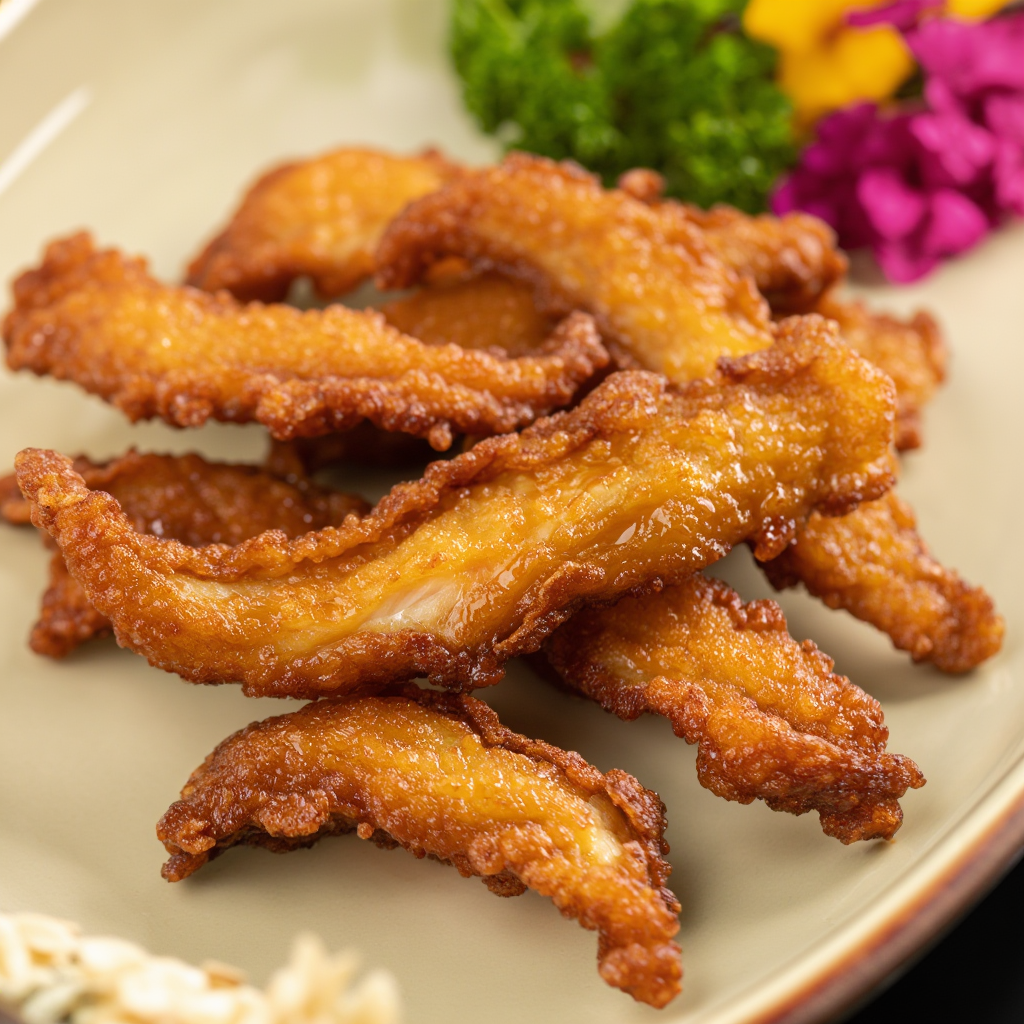
Chicharon Manok
Chicken skin is seasoned generously with garlic and salt, then deep-fried until puffed, golden, and shatteringly crisp, served with a tangy soy-vinegar and calamansi dipping sauce for an irresistibly crunchy snack or pulutan.
Instructions
- Clean chicken skin and Season it with salt, garlic, and pepper.
- Boil for 5 minutes, drain, and Pat them dry.
- Deep-fry at 160C for 15 minutes until puffy and crispy.
- Serve with soy-vinegar-calamansi dipping sauce.
Kitchen Tools We Recommend
Cook Chicharon Manok the easy way with the right tools. Shop our favorite kitchen essentials on Amazon — from reliable pots and pans to measuring tools that make Filipino cooking simpler.
🔥 Trending on Amazon right now — these products are selling fast. Check out what's climbing the charts.
As an Amazon Associate, I earn from qualifying purchases.
Pro Tips & Troubleshooting
- Filipino dishes are built on balance — taste your sauce before serving and add a pinch of sugar or a splash of vinegar if something feels off.
- Sauté aromatics (garlic, onion) until fragrant before adding liquids — it builds a deeper flavor base.
- Let meats rest after cooking so the juices redistribute for a more tender result.
Cooking Tips
Use a thermometer to maintain oil temperature at 350–375°F (175–190°C). If the oil is too cool, the food absorbs grease; too hot and it burns on the outside before cooking through.
Substitutions
Short on time? A pressure cooker (Instant Pot) can reduce cooking time by roughly half for most braised and stewed Filipino dishes. Reduce liquid slightly since less evaporates.
Storage & Reheating
Reheat on the stovetop over medium-low heat, adding a splash of water or broth if the sauce has thickened during storage. Microwave in 30-second bursts, stirring between each.
Comments (0)
Leave a comment