Pro Tips
Brown the chicken well before adding coconut milk — this creates a fond (browned bits) that deepens the sauce flavor. Use fresh coconut milk from grated coconut if possible, as canned versions can taste metallic. The dish benefits from a rest of 10 minutes after cooking to allow the sauce to thicken. Serve with rice and a side of atchara (pickled papaya) to cut the richness.
Cooking Tips
For maximum flavor, season the chicken at least 30 minutes before cooking — ideally overnight in the refrigerator. This allows the marinade to penetrate beyond the surface. Use a meat thermometer to check doneness: 165°F (74°C) at the thickest part of the breast, away from the bone.
Ingredient Substitutions
No coconut milk? For a richer alternative, blend canned coconut cream with water (1:1). For a lighter option, use evaporated milk with a splash of coconut extract. In a pinch, heavy cream or full-fat milk can replace coconut milk — the texture will be similar though the flavor profile changes. Chicken alternatives: Pork shoulder or boneless thigh meat can substitute for chicken in stews. For lighter fare, extra-firm tofu or seitan works in stir-fries and braises. Short on time? A pressure cooker (Instant Pot) can reduce cooking time by roughly half for most braised and stewed Filipino dishes. Reduce liquid slightly since less evaporates.
Storage & Reheating
Store in an airtight container in the refrigerator for up to 3–4 days. The flavors often deepen overnight, making leftovers even more delicious. Reheat on the stovetop over medium-low heat, adding a splash of water or broth if the sauce has thickened during storage. Microwave in 30-second bursts, stirring between each.
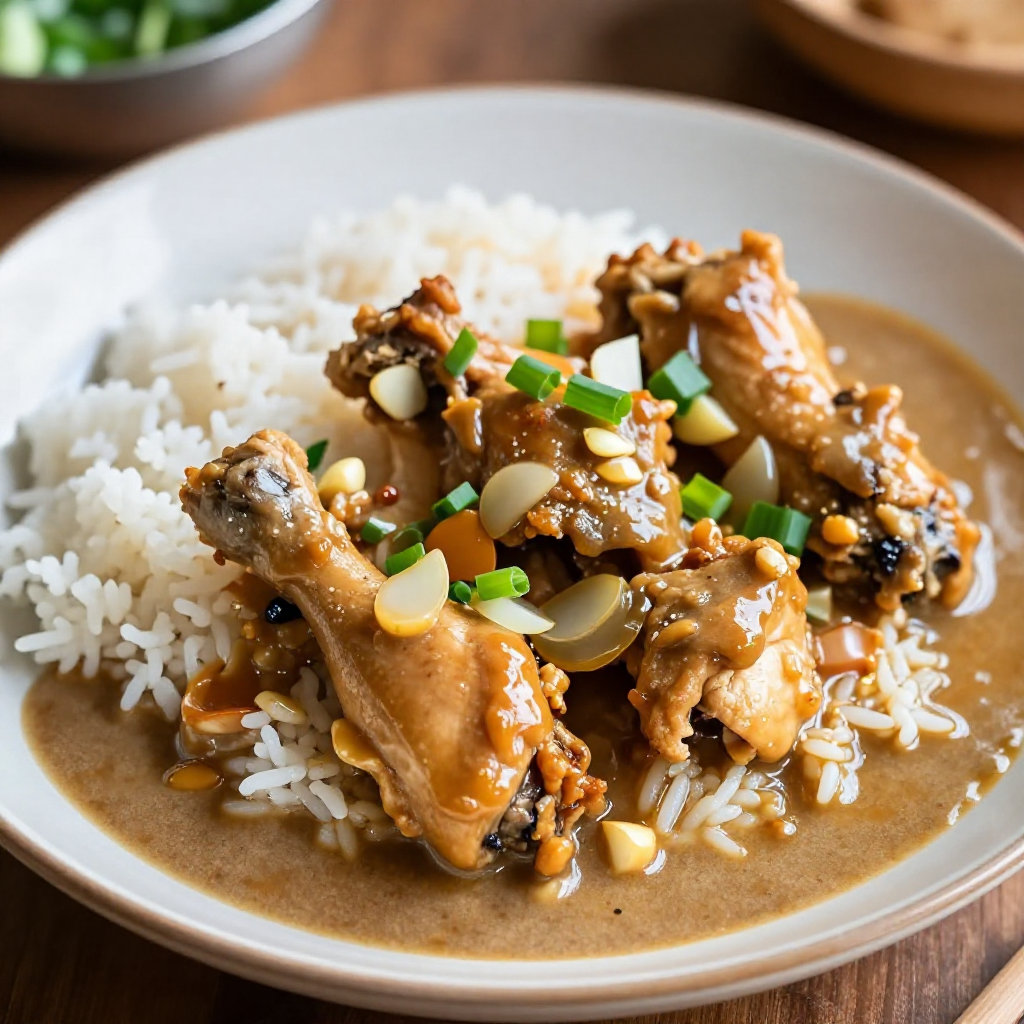
Chavabon
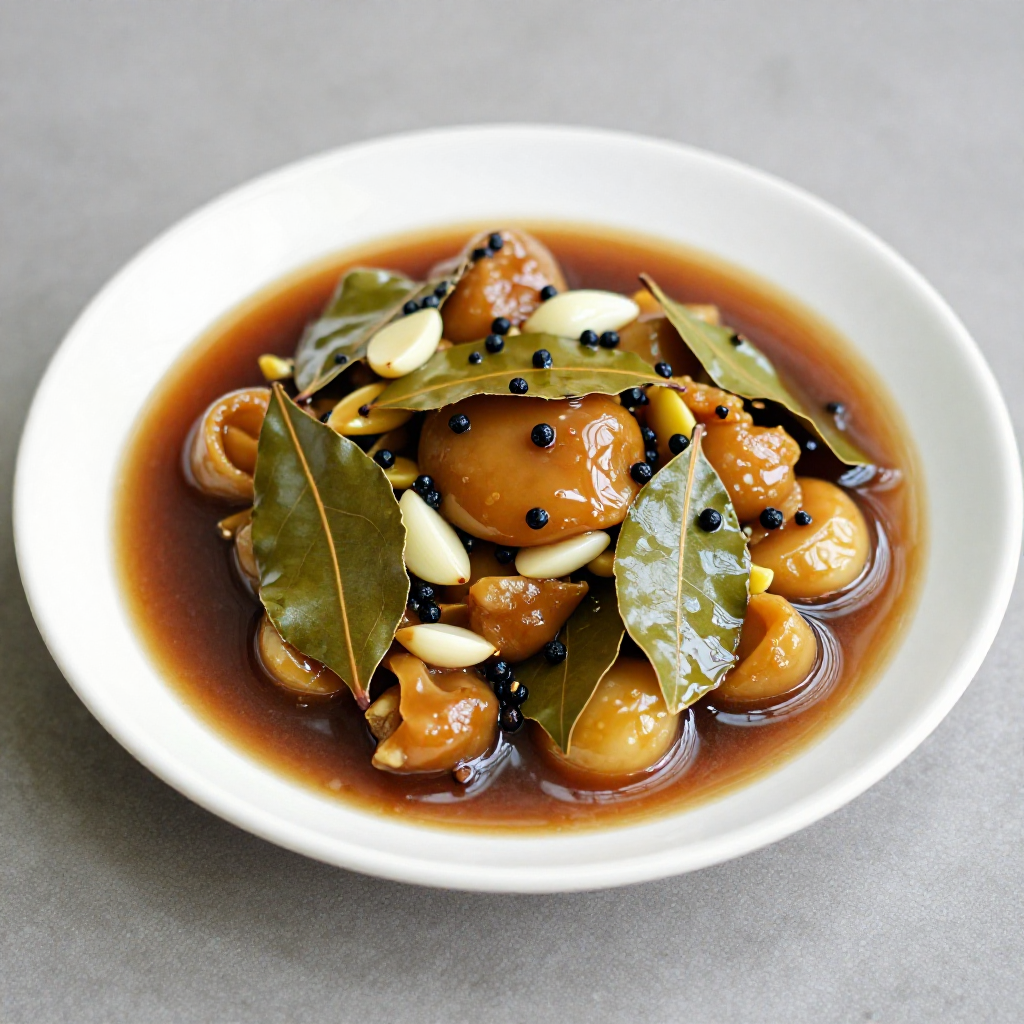
Chavabon is Zamboanga's answer to the Filipino adobo family — a Chavacano-style chicken dish where the traditional soy-vinegar base is enriched with coconut milk, garlic, and a touch of sweetness that reflects the city's unique Spanish-Mindanaoan heritage. The name itself hints at its Chavacano roots, the Spanish-derived creole language spoken in Zamboanga. Unlike the vinegar-forward adobos of Luzon, Chavabon leans into the creaminess of gata (coconut milk) while maintaining the familiar adobo technique of browning chicken before braising. The result is a dish that is simultaneously comforting and exotic — rich, aromatic, and deeply rooted in the multicultural identity of Zamboanga.
Instructions
- Pat the chicken pieces dry and season with salt and pepper on both sides.
- Heat cooking oil in a large pot or Dutch oven over medium-high heat.
- Brown the chicken pieces skin-side down first, then flip, until golden on all sides. This takes about 8-10 minutes. Remove chicken and set aside.
- In the same pot, reduce heat to medium. Sauté the minced garlic and chopped onion until fragrant and lightly golden.
- Pour in the soy sauce, cane vinegar, and fish sauce. Scrape up any browned bits from the bottom of the pot.
- Add the brown sugar, bay leaves, and peppercorns. Stir to dissolve the sugar.
- Return the chicken to the pot, skin-side up. Pour the coconut milk around the chicken — do not stir vigorously or the coconut milk may curdle.
- Bring to a gentle simmer, cover, and cook for 25 minutes over low heat.
- Uncover and add the coconut cream. Simmer for another 10-15 minutes until the chicken is tender and the sauce has thickened to a rich consistency.
- Taste and adjust seasoning. Garnish with chopped spring onions.
- Serve hot with steamed white rice. The creamy, caramel-colored sauce should coat the chicken beautifully.
Kitchen Tools We Recommend
Cook Chavabon the easy way with the right tools. Shop our favorite kitchen essentials on Amazon — from reliable pots and pans to measuring tools that make Filipino cooking simpler.
🔥 Trending on Amazon right now — these products are selling fast. Check out what's climbing the charts.
As an Amazon Associate, I earn from qualifying purchases.
Pro Tips & Troubleshooting
Cooking Tips
Use a meat thermometer to check doneness: 165°F (74°C) at the thickest part of the breast, away from the bone.
Substitutions
In a pinch, heavy cream or full-fat milk can replace coconut milk — the texture will be similar though the flavor profile changes.
Chicken alternatives: Pork shoulder or boneless thigh meat can substitute for chicken in stews. For lighter fare, extra-firm tofu or seitan works in stir-fries and braises.
Short on time? A pressure cooker (Instant Pot) can reduce cooking time by roughly half for most braised and stewed Filipino dishes. Reduce liquid slightly since less evaporates.
Storage & Reheating
Reheat on the stovetop over medium-low heat, adding a splash of water or broth if the sauce has thickened during storage. Microwave in 30-second bursts, stirring between each.
Comments (0)
Leave a comment