Pro Tips
**Chef's Tips & Troubleshooting:**
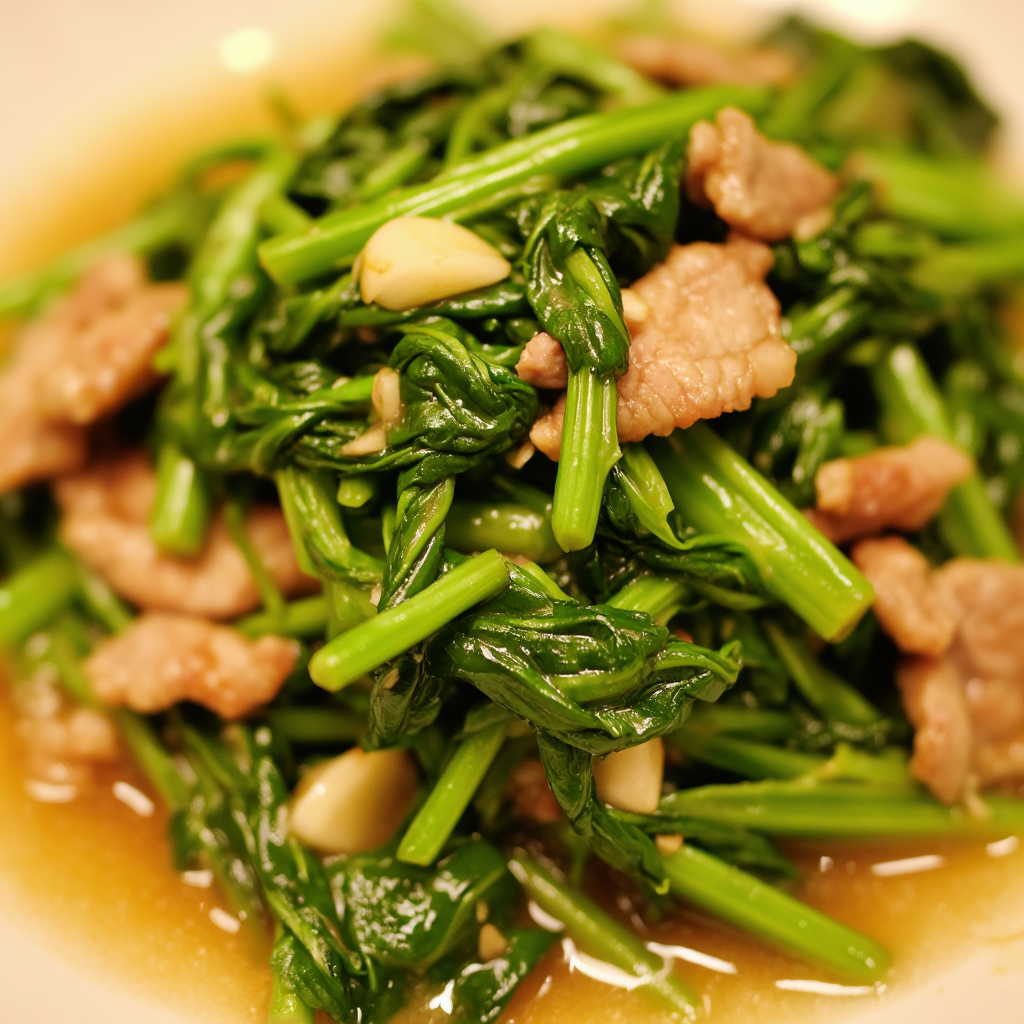
- Season vegetables with fish sauce or salt sparingly — they absorb seasoning faster than meat.
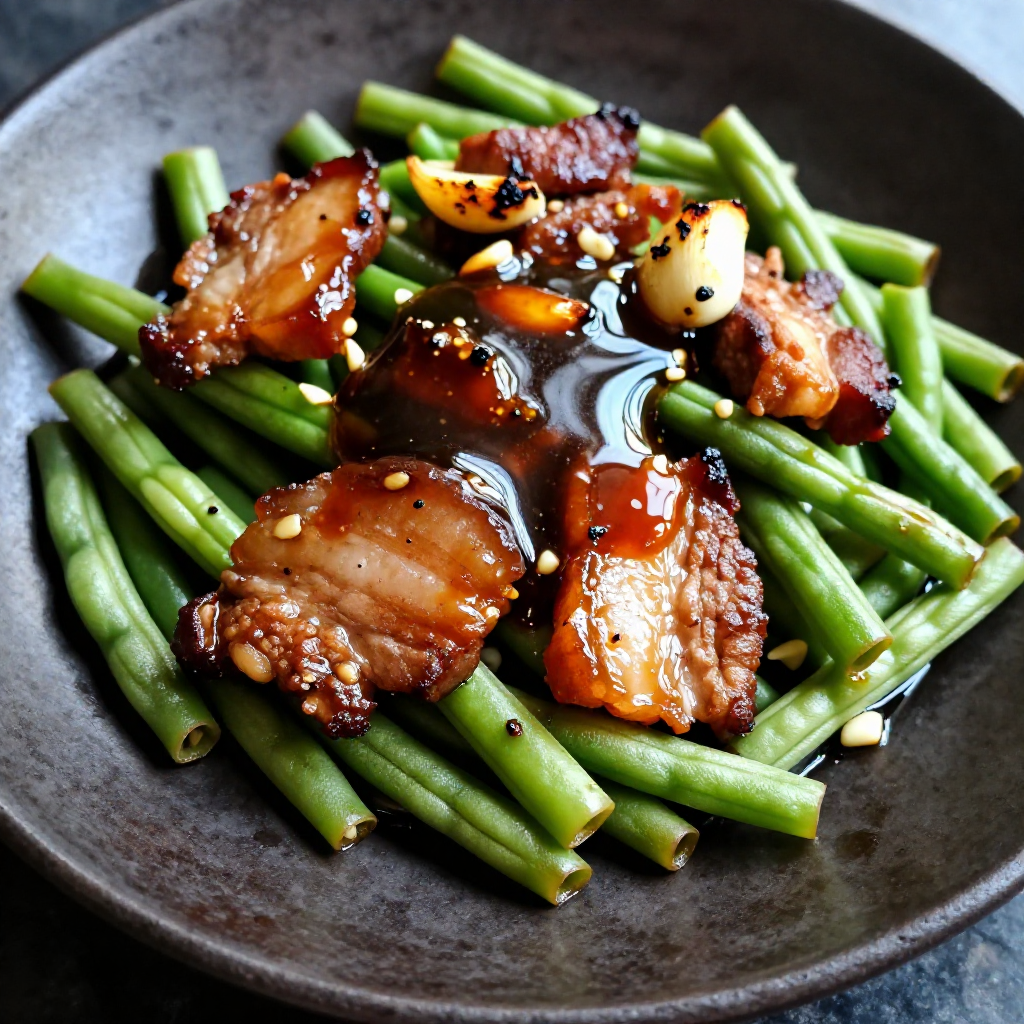
- Cook harder vegetables like carrots and green beans first before adding softer ones.
- Do not overcrowd the pan when sautéing vegetables — cook in batches if needed.
- Add a dash of vinegar or calamansi at the end to brighten the flavor of sautéed vegetables.
Cooking Tips
For the most tender results, cook low and slow — a gentle simmer (not a vigorous boil) breaks down connective tissue without drying out the meat. Taste and adjust seasoning toward the end of cooking. As liquids reduce, flavors concentrate, so what tastes balanced early may become too salty later. Check liquid levels halfway through cooking and add hot water or broth if needed. Long-cooked dishes can dry out or burn if left unattended.
Ingredient Substitutions
No soy sauce? Use tamari (gluten-free), coconut aminos (paleo-friendly), or a mix of fish sauce and water for a different but delicious umami profile. For a low-sodium version, use light soy sauce or dilute regular soy sauce with a splash of water or broth. Short on time? A pressure cooker (Instant Pot) can reduce cooking time by roughly half for most braised and stewed Filipino dishes. Reduce liquid slightly since less evaporates.
Storage & Reheating
Store in an airtight container in the refrigerator for up to 3–4 days. The flavors often deepen overnight, making leftovers even more delicious. Reheat on the stovetop over medium-low heat, adding a splash of water or broth if the sauce has thickened during storage. Microwave in 30-second bursts, stirring between each.

Soy Sauce
High-quality organic soybeans are carefully fermented and aged over time until the liquid develops a deep, complex umami flavor with savory, salty, and slightly sweet notes that enhance and elevate any dish it touches.
Instructions
- If the soy beans are not yet cooked, pour 3 cups of fresh water into a pot, add the beans and bring to a boil.
- When cooked, add the soybeans to a food processor and blend to a paste. Pour pureed beans into a bowl and combine with flour.
- Place the bean-flour mixture on a clean surface and shape into a log. Cut the log into slices about ¼-inch in thickness.
- Arrange the soy bean slices on a moist paper towel and cover with another wet paper towel. Cover in cling wrap and put it away in a discreet part of your kitchen or home. Allow to sit for 7 days or until the discs are covered in mold.
- Unwrap the discs and arrange them on a baking sheet so they do not touch. Leave them to dry in direct sunlight. Soy bean discs should turn brown when dry. This is the koji.
- The next part of learning how to make soy sauce is fermentation. For this, take a pot that you won’t need any time soon. Pour water and salt, stirring to combine. Add the soybean discs and cover. The aim of this step is to dissolve the discs in the salt water, which can take up to 6 months. Stir the mixture daily.
- When the soybean slices have completely dissolved, strain the mixture with cheesecloth into bottles for storage. The soy sauce is ready for use. Use soy sauce to flavor meats, seafood, veggies and soups.
Kitchen Tools We Recommend
Cook Soy Sauce the easy way with the right tools. Shop our favorite kitchen essentials on Amazon — from reliable pots and pans to measuring tools that make Filipino cooking simpler.
🔥 Trending on Amazon right now — these products are selling fast. Check out what's climbing the charts.
As an Amazon Associate, I earn from qualifying purchases.
Pro Tips & Troubleshooting
- Season vegetables with fish sauce or salt sparingly — they absorb seasoning faster than meat.
- Cook harder vegetables like carrots and green beans first before adding softer ones.
- Do not overcrowd the pan when sautéing vegetables — cook in batches if needed.
- Add a dash of vinegar or calamansi at the end to brighten the flavor of sautéed vegetables.
Cooking Tips
Taste and adjust seasoning toward the end of cooking. As liquids reduce, flavors concentrate, so what tastes balanced early may become too salty later.
Check liquid levels halfway through cooking and add hot water or broth if needed. Long-cooked dishes can dry out or burn if left unattended.
Substitutions
For a low-sodium version, use light soy sauce or dilute regular soy sauce with a splash of water or broth.
Short on time? A pressure cooker (Instant Pot) can reduce cooking time by roughly half for most braised and stewed Filipino dishes. Reduce liquid slightly since less evaporates.
Storage & Reheating
Reheat on the stovetop over medium-low heat, adding a splash of water or broth if the sauce has thickened during storage. Microwave in 30-second bursts, stirring between each.
Comments (0)
Leave a comment