Pro Tips
**Chef's Tips & Troubleshooting:**
- For adobo-style dishes, let the vinegar boil uncovered for 2-3 minutes to mellow its raw acidity.
- Use equal parts soy sauce and vinegar for a balanced savory-sour adobo sauce.
- Bay leaves add earthy depth to adobo — add them early but remove before serving if desired.
- For roasted chicken, let it rest for 10 minutes after cooking before carving to retain juices.
Cooking Tips
For the most tender results, cook low and slow — a gentle simmer (not a vigorous boil) breaks down connective tissue without drying out the meat. Taste and adjust seasoning toward the end of cooking. As liquids reduce, flavors concentrate, so what tastes balanced early may become too salty later.
Ingredient Substitutions
No soy sauce? Use tamari (gluten-free), coconut aminos (paleo-friendly), or a mix of fish sauce and water for a different but delicious umami profile. For a low-sodium version, use light soy sauce or dilute regular soy sauce with a splash of water or broth. Out of cane vinegar? White vinegar, apple cider vinegar, or rice vinegar all work — each brings its own subtle character. Avoid balsamic (too sweet) or distilled white (too harsh). Lemon or calamansi juice can replace vinegar in most marinades and braises. Add a pinch of sugar to balance the acidity. Chicken alternatives: Pork shoulder or boneless thigh meat can substitute for chicken in stews. For lighter fare, extra-firm tofu or seitan works in stir-fries and braises.
Storage & Reheating
Store in an airtight container in the refrigerator for up to 3–4 days. The flavors often deepen overnight, making leftovers even more delicious. This dish freezes exceptionally well — portion into freezer-safe containers and store for up to 3 months. Thaw overnight in the refrigerator before reheating. When reheating frozen portions, add a splash of water or broth to restore the original consistency, as some liquid is absorbed during storage. Reheat on the stovetop over medium-low heat, adding a splash of water or broth if the sauce has thickened during storage. Microwave in 30-second bursts, stirring between each.
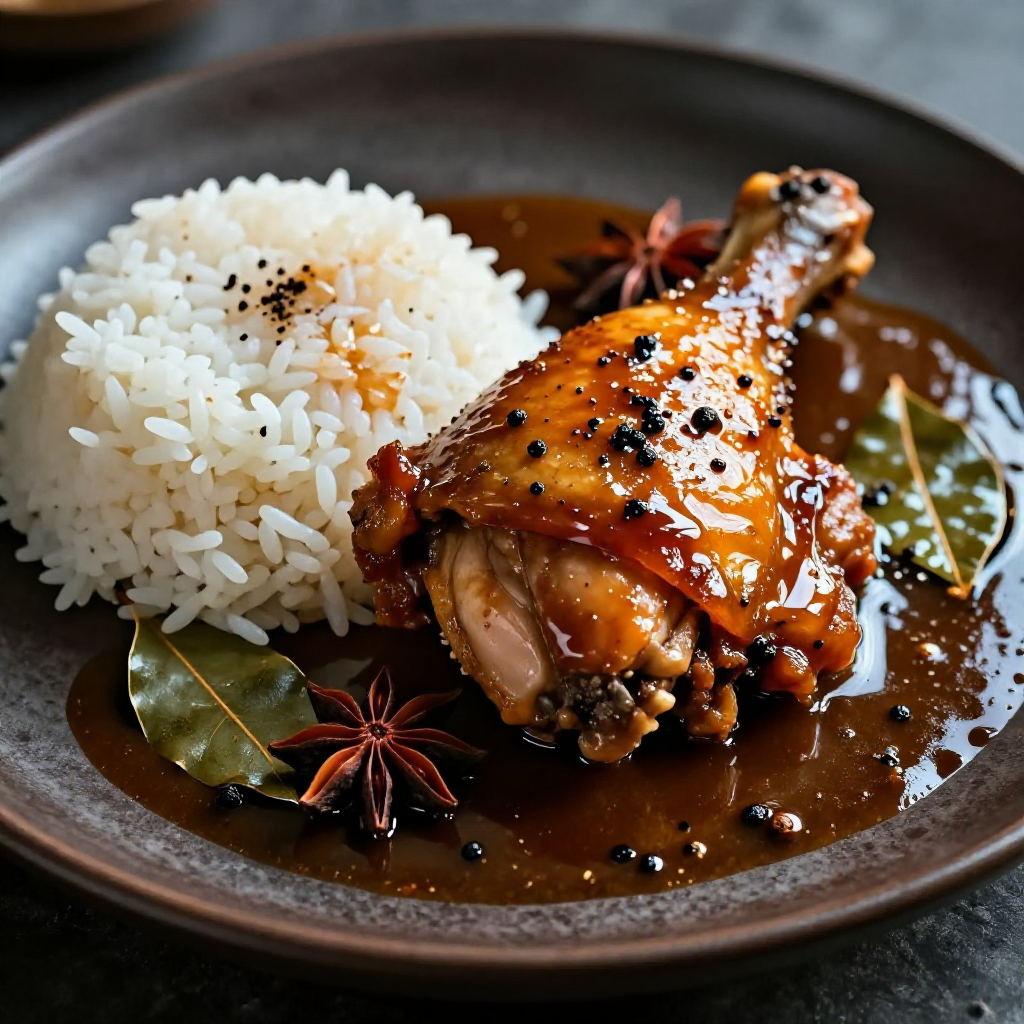
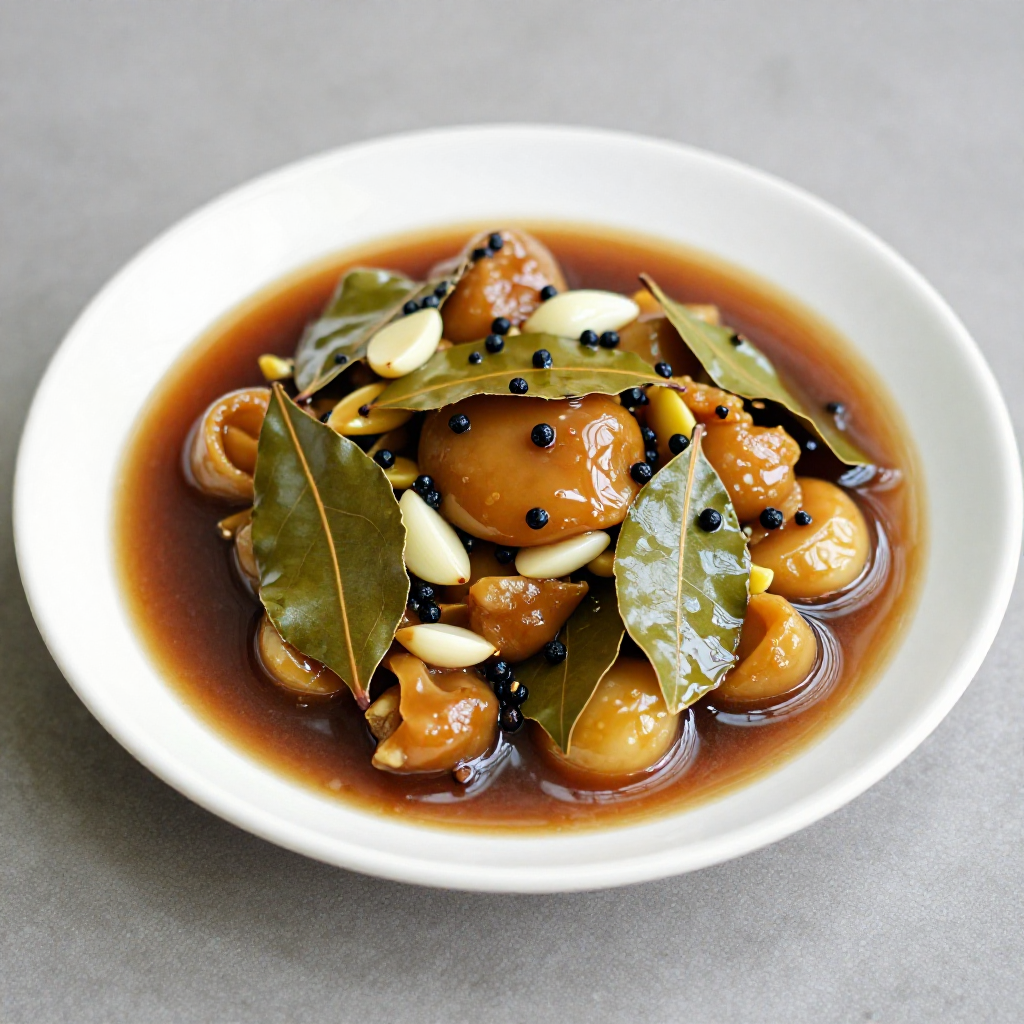
Sous Vide Chicken Adobo
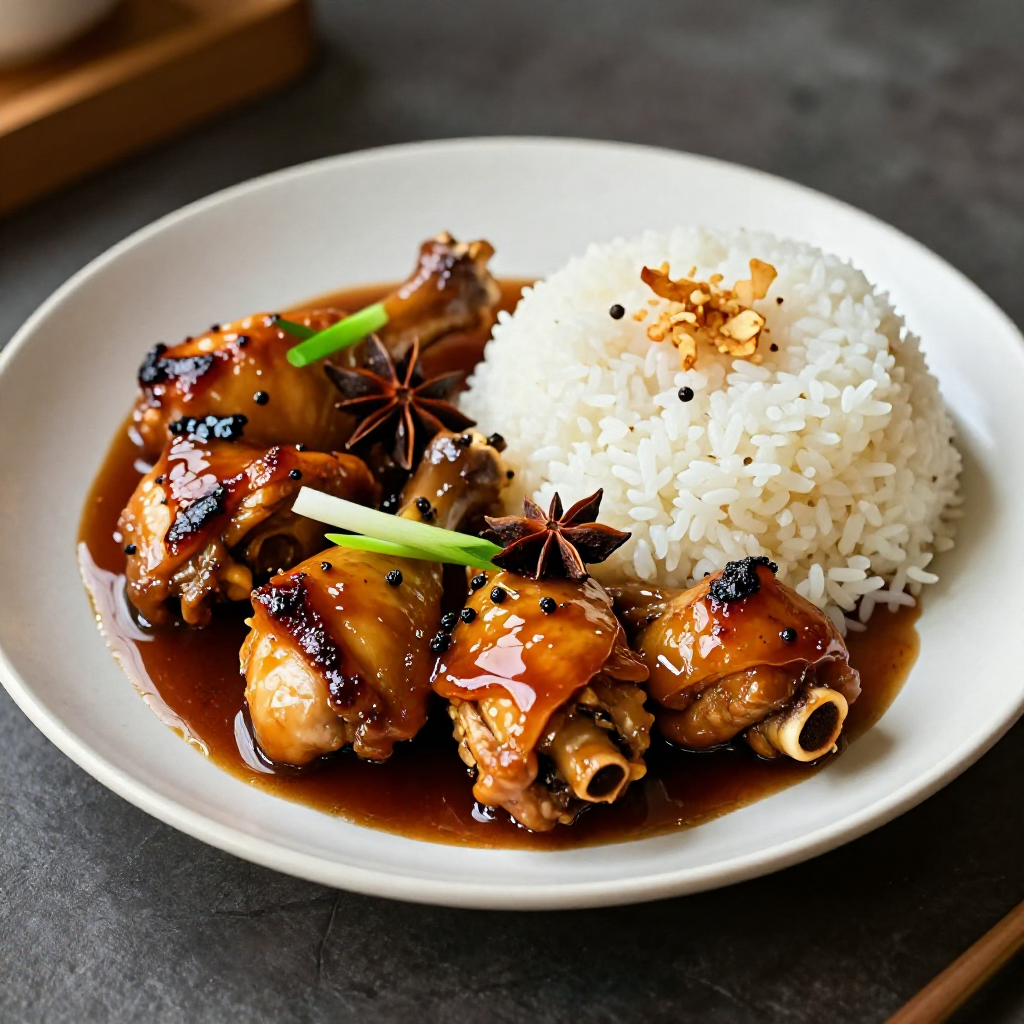
Made with chicken thighs and drumstick, dried bay leaves, soy sauce and head garlic — a hearty Filipino dish that's simple to cook and satisfying to share.
Instructions
- Place the chicken pieces in a resealable freezer bag. Add bay leaves, peppercorn, garlic, and soy sauce. Vacuum-seal the bag.
- Add water into a heat-safe food storage container or deep pot. Preheat water using a sous vide cooker at 155F.
- Gently submerge the sealed bags or pouches with chicken. Let it cook for 4 hours.
- Remove the chicken from the bags. Transfer to a cooking pot with half of the marinade (soy sauce mixture).
- Put the cooking pot in a stovetop. Let the liquid boil.
- Mix in chicken broth and vinegar. Cover and cook for 5 to 8 minutes.
- Move to to a serving plate. Serve.
Kitchen Tools We Recommend
Cook Sous Vide Chicken Adobo the easy way with the right tools. Shop our favorite kitchen essentials on Amazon — from reliable pots and pans to measuring tools that make Filipino cooking simpler.
🔥 Trending on Amazon right now — these products are selling fast. Check out what's climbing the charts.
As an Amazon Associate, I earn from qualifying purchases.
Pro Tips & Troubleshooting
- For adobo-style dishes, let the vinegar boil uncovered for 2-3 minutes to mellow its raw acidity.
- Use equal parts soy sauce and vinegar for a balanced savory-sour adobo sauce.
- Bay leaves add earthy depth to adobo — add them early but remove before serving if desired.
- For roasted chicken, let it rest for 10 minutes after cooking before carving to retain juices.
Cooking Tips
Taste and adjust seasoning toward the end of cooking. As liquids reduce, flavors concentrate, so what tastes balanced early may become too salty later.
Substitutions
For a low-sodium version, use light soy sauce or dilute regular soy sauce with a splash of water or broth.
Out of cane vinegar? White vinegar, apple cider vinegar, or rice vinegar all work — each brings its own subtle character. Avoid balsamic (too sweet) or distilled white (too harsh).
Lemon or calamansi juice can replace vinegar in most marinades and braises. Add a pinch of sugar to balance the acidity.
Chicken alternatives: Pork shoulder or boneless thigh meat can substitute for chicken in stews. For lighter fare, extra-firm tofu or seitan works in stir-fries and braises.
Storage & Reheating
This dish freezes exceptionally well — portion into freezer-safe containers and store for up to 3 months. Thaw overnight in the refrigerator before reheating.
When reheating frozen portions, add a splash of water or broth to restore the original consistency, as some liquid is absorbed during storage.
Reheat on the stovetop over medium-low heat, adding a splash of water or broth if the sauce has thickened during storage. Microwave in 30-second bursts, stirring between each.
Comments (0)
Leave a comment