Pro Tips
**Chef's Tips & Troubleshooting:**
Cook the vinegar off before adding other liquids. Let it simmer uncovered for 3–5 minutes so the harsh raw vinegar smell evaporates, leaving a cleaner, milder sourness.
Coconut vinegar has a fruitier, milder profile than cane vinegar. If you only have cane vinegar, reduce the amount by 25% and add a teaspoon of brown sugar to mimic the sweetness of coconut vinegar.
Slicing pork belly thin (about 1/4 inch) means faster cooking and more surface area for the sauce to cling to. Thick chunks work too but require 15 extra minutes of simmering.
Cooking Tips
Score the fat cap in a crosshatch pattern before cooking — this helps render the fat evenly and creates a crisper texture. Let pork rest for 5–10 minutes after cooking before slicing. This redistributes juices so every bite stays moist.
Ingredient Substitutions
Out of cane vinegar? White vinegar, apple cider vinegar, or rice vinegar all work — each brings its own subtle character. Avoid balsamic (too sweet) or distilled white (too harsh). Lemon or calamansi juice can replace vinegar in most marinades and braises. Add a pinch of sugar to balance the acidity. Pork alternatives: Chicken thighs work well in most pork recipes (they stay moist like pork does). For a leaner option, use turkey breast or firm tofu. Short on time? A pressure cooker (Instant Pot) can reduce cooking time by roughly half for most braised and stewed Filipino dishes. Reduce liquid slightly since less evaporates.
Storage & Reheating
Store in an airtight container in the refrigerator for up to 3–4 days. The flavors often deepen overnight, making leftovers even more delicious. Reheat on the stovetop over medium-low heat, adding a splash of water or broth if the sauce has thickened during storage. Microwave in 30-second bursts, stirring between each.
Sinongis
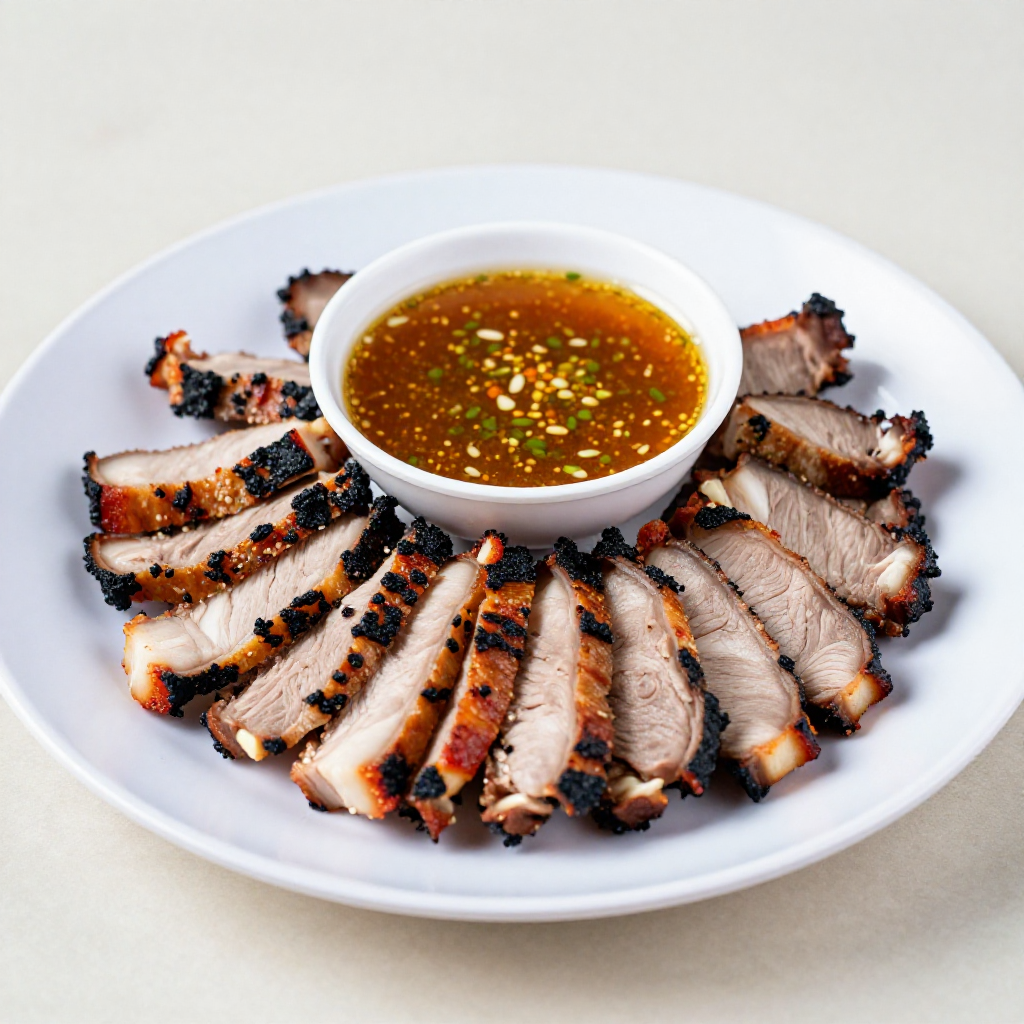
Sinongis is Marinduque's beloved grilled pork dish that's similar to inihaw but distinguished by its fiery sinukmani dipping sauce made from coconut vinegar, siling haba, garlic, and ginger. The pork is usually cut into thin strips of kasim or belly, grilled to a smoky perfection, and the real magic happens when you dip that charred meat into the sharp, spicy, tangy sauce that makes your mouth tingle.
Instructions
- Slice the pork belly into thin strips about 1/4 inch thick and 3 inches long. Sprinkle both sides evenly with coarse salt and ground black pepper. Let the pork rest at room temperature for 15 minutes — this helps the seasoning work its way into the meat.
- Make the sinukmani dipping sauce while the pork rests. In a small bowl, combine the coconut vinegar, finely chopped siling haba and siling labuyo, minced garlic, minced ginger, and finely chopped onion. Add the fish sauce and calamansi juice for depth. Mix thoroughly and let it sit — the flavors need time to come together.
- Prepare a charcoal grill or heat a grill pan over medium-high heat. A good amount of smoke from the charcoal is what gives sinongis its distinctive smoky flavor. If using a grill pan, lightly oil it to prevent sticking.
- Place the seasoned pork strips on the grill, making sure not to overcrowd the surface. Grill for 3-4 minutes per side until the edges curl up, the fat renders, and the meat develops a nice char. Flip occasionally for even cooking.
- Once the pork is cooked through and nicely charred, remove it from the grill and let it rest for 2 minutes. This allows the juices to redistribute so the meat stays tender instead of drying out.
- Arrange the grilled pork on a platter with the sinukmani sauce in a bowl on the side. The tradition is to pick up a piece of pork, dip it generously in the sauce, and eat it with a big spoon of steamed rice. The contrast between the smoky pork and the sharp, spicy vinegar sauce is pure Marinduque magic.
Kitchen Tools We Recommend
Cook Sinongis the easy way with the right tools. Shop our favorite kitchen essentials on Amazon — from reliable pots and pans to measuring tools that make Filipino cooking simpler.
🔥 Trending on Amazon right now — these products are selling fast. Check out what's climbing the charts.
As an Amazon Associate, I earn from qualifying purchases.
Pro Tips & Troubleshooting
Cook the vinegar off before adding other liquids. Let it simmer uncovered for 3–5 minutes so the harsh raw vinegar smell evaporates, leaving a cleaner, milder sourness.
Coconut vinegar has a fruitier, milder profile than cane vinegar. If you only have cane vinegar, reduce the amount by 25% and add a teaspoon of brown sugar to mimic the sweetness of coconut vinegar.
Slicing pork belly thin (about 1/4 inch) means faster cooking and more surface area for the sauce to cling to. Thick chunks work too but require 15 extra minutes of simmering.
Cooking Tips
Let pork rest for 5–10 minutes after cooking before slicing. This redistributes juices so every bite stays moist.
Substitutions
Lemon or calamansi juice can replace vinegar in most marinades and braises. Add a pinch of sugar to balance the acidity.
Pork alternatives: Chicken thighs work well in most pork recipes (they stay moist like pork does). For a leaner option, use turkey breast or firm tofu.
Short on time? A pressure cooker (Instant Pot) can reduce cooking time by roughly half for most braised and stewed Filipino dishes. Reduce liquid slightly since less evaporates.
Storage & Reheating
Reheat on the stovetop over medium-low heat, adding a splash of water or broth if the sauce has thickened during storage. Microwave in 30-second bursts, stirring between each.
Comments (0)
Leave a comment