Pro Tips
**Chef's Tips & Troubleshooting:**
- Make sure the pan and oil are hot before adding ingredients for the best sear.
- Fry in batches to avoid overcrowding — lowering the temperature makes food greasy.
- Use day-old refrigerated rice for fried rice — fresh rice turns mushy in the pan.
- Let the pork rest for 5 minutes after cooking so the juices redistribute evenly.
Cooking Tips
Pat the meat completely dry with paper towels before frying — moisture is the enemy of crispiness. Use a thermometer to maintain oil temperature at 350–375°F (175–190°C). If the oil is too cool, the food absorbs grease; too hot and it burns on the outside before cooking through.
Ingredient Substitutions
No soy sauce? Use tamari (gluten-free), coconut aminos (paleo-friendly), or a mix of fish sauce and water for a different but delicious umami profile. For a low-sodium version, use light soy sauce or dilute regular soy sauce with a splash of water or broth. Pork alternatives: Chicken thighs work well in most pork recipes (they stay moist like pork does). For a leaner option, use turkey breast or firm tofu. Short on time? A pressure cooker (Instant Pot) can reduce cooking time by roughly half for most braised and stewed Filipino dishes. Reduce liquid slightly since less evaporates.
Storage & Reheating
Store in an airtight container in the refrigerator for up to 3–4 days. The flavors often deepen overnight, making leftovers even more delicious. Crispy dishes are best enjoyed fresh — they lose their crunch when stored. If you must store leftovers, reheat in an air fryer or oven at 375°F (190°C) for 5–7 minutes to restore crispiness. Avoid microwaving crispy dishes — the steam makes the coating soggy. Use a toaster oven or stovetop skillet instead. Reheat on the stovetop over medium-low heat, adding a splash of water or broth if the sauce has thickened during storage. Microwave in 30-second bursts, stirring between each.
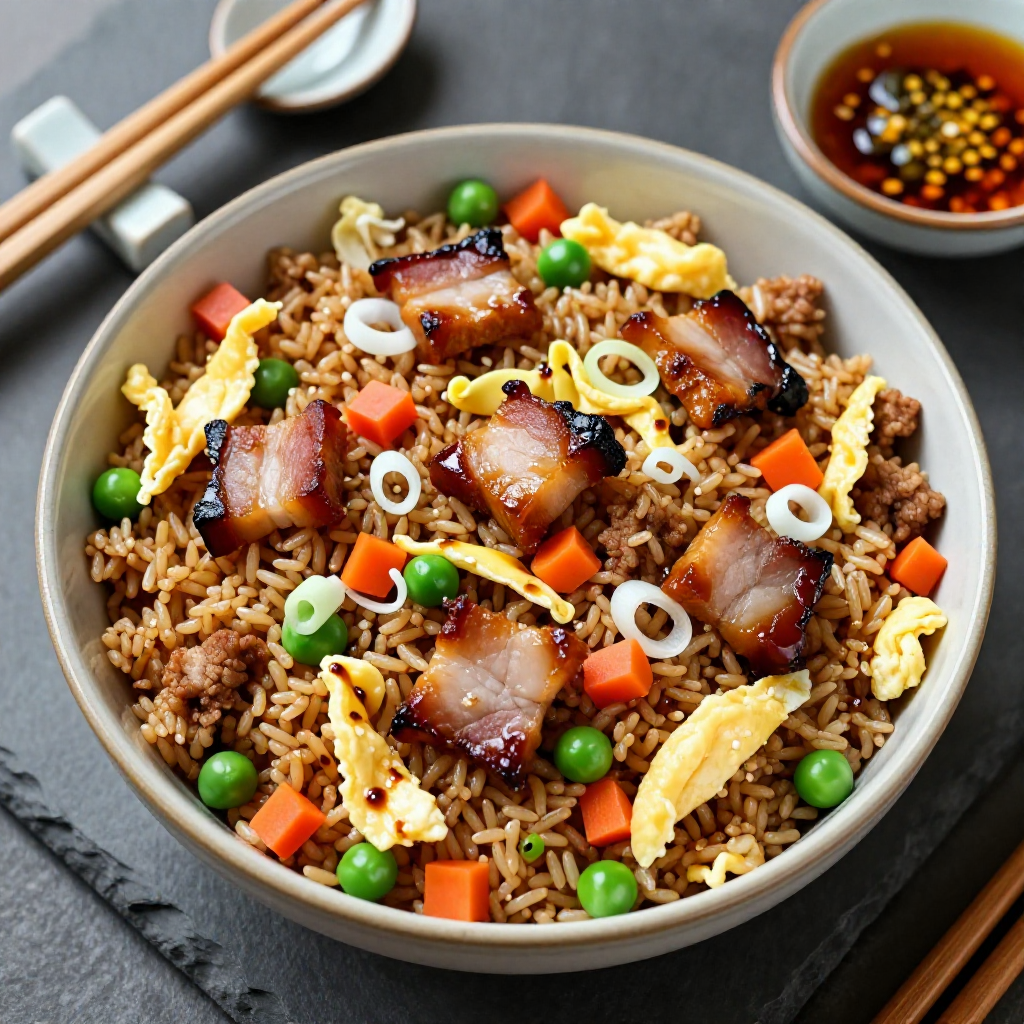
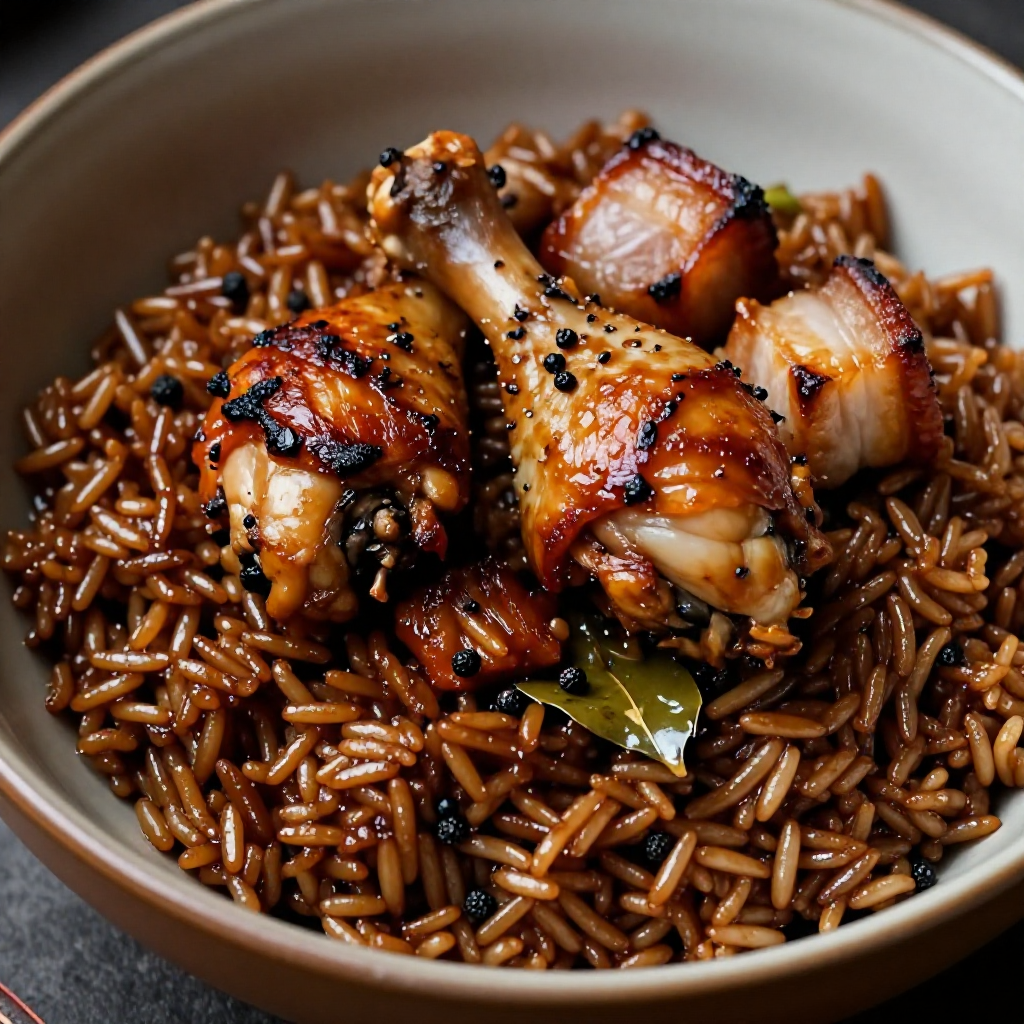
Pork Fried Rice
Pork Fried Rice — a refreshing Filipino shaved ice dessert with sweet syrup and toppings. Perfect for hot days.
Instructions
- Put the leftover rice in a large mixing bowl. Make sure that the grains are not sticking to each other.
- Incorporate the salt, garlic powder, and onion powder in the mixing bowl. Gently mix all the ingredients using a large spoon until well blended.
- Meanwhile, heat half of the cooking oil in a wide pan.
- Once the oil gets hot, pour the beaten eggs on the pan. Cook each side for 1 minute. Remove the egg from the pan and place in a plate. Set aside.
- Add the remaining cooking oil. Once the oil gets hot, add the sliced char siu (pork bbq) in the pan. Cook for 30 seconds to 1 minute.
- Add the rice mixture. Try to fold the rice once in a while using a spatula. Continue to cook for 5 to 8 minutes.
- Pour the soy sauce and sesame oil over the rice. Quickly fold the rice to distribute the liquid ingredients evenly. Cook for 3 to 5 minutes.
- Put the cooked egg over the rice. Using the tip of a spatula, divide the eggs into multiple pieces by slicing into it. Continue to fold so that the egg gets distributed equally.
- Add the green onions. Stir and cook for 2 minutes.
- Transfer to a serving plate. Serve!
Kitchen Tools We Recommend
Cook Pork Fried Rice the easy way with the right tools. Shop our favorite kitchen essentials on Amazon — from reliable pots and pans to measuring tools that make Filipino cooking simpler.
🔥 Trending on Amazon right now — these products are selling fast. Check out what's climbing the charts.
As an Amazon Associate, I earn from qualifying purchases.
Pro Tips & Troubleshooting
- Make sure the pan and oil are hot before adding ingredients for the best sear.
- Fry in batches to avoid overcrowding — lowering the temperature makes food greasy.
- Use day-old refrigerated rice for fried rice — fresh rice turns mushy in the pan.
- Let the pork rest for 5 minutes after cooking so the juices redistribute evenly.
Cooking Tips
Use a thermometer to maintain oil temperature at 350–375°F (175–190°C). If the oil is too cool, the food absorbs grease; too hot and it burns on the outside before cooking through.
Substitutions
For a low-sodium version, use light soy sauce or dilute regular soy sauce with a splash of water or broth.
Pork alternatives: Chicken thighs work well in most pork recipes (they stay moist like pork does). For a leaner option, use turkey breast or firm tofu.
Short on time? A pressure cooker (Instant Pot) can reduce cooking time by roughly half for most braised and stewed Filipino dishes. Reduce liquid slightly since less evaporates.
Storage & Reheating
Crispy dishes are best enjoyed fresh — they lose their crunch when stored. If you must store leftovers, reheat in an air fryer or oven at 375°F (190°C) for 5–7 minutes to restore crispiness.
Avoid microwaving crispy dishes — the steam makes the coating soggy. Use a toaster oven or stovetop skillet instead.
Reheat on the stovetop over medium-low heat, adding a splash of water or broth if the sauce has thickened during storage. Microwave in 30-second bursts, stirring between each.
Comments (0)
Leave a comment