Pro Tips
**Chef's Tips & Troubleshooting:**
- Let meats rest after cooking so the juices redistribute for a more tender result.
- Sauté aromatics (garlic, onion) until fragrant before adding liquids — it builds a deeper flavor base.
- Filipino dishes are built on balance — taste your sauce before serving and add a pinch of sugar or a splash of vinegar if something feels off.
Cooking Tips
Score the fat cap in a crosshatch pattern before cooking — this helps render the fat evenly and creates a crisper texture. Let pork rest for 5–10 minutes after cooking before slicing. This redistributes juices so every bite stays moist.
Ingredient Substitutions
Pork alternatives: Chicken thighs work well in most pork recipes (they stay moist like pork does). For a leaner option, use turkey breast or firm tofu. Short on time? A pressure cooker (Instant Pot) can reduce cooking time by roughly half for most braised and stewed Filipino dishes. Reduce liquid slightly since less evaporates.
Storage & Reheating
Store in an airtight container in the refrigerator for up to 3–4 days. The flavors often deepen overnight, making leftovers even more delicious. Reheat on the stovetop over medium-low heat, adding a splash of water or broth if the sauce has thickened during storage. Microwave in 30-second bursts, stirring between each.
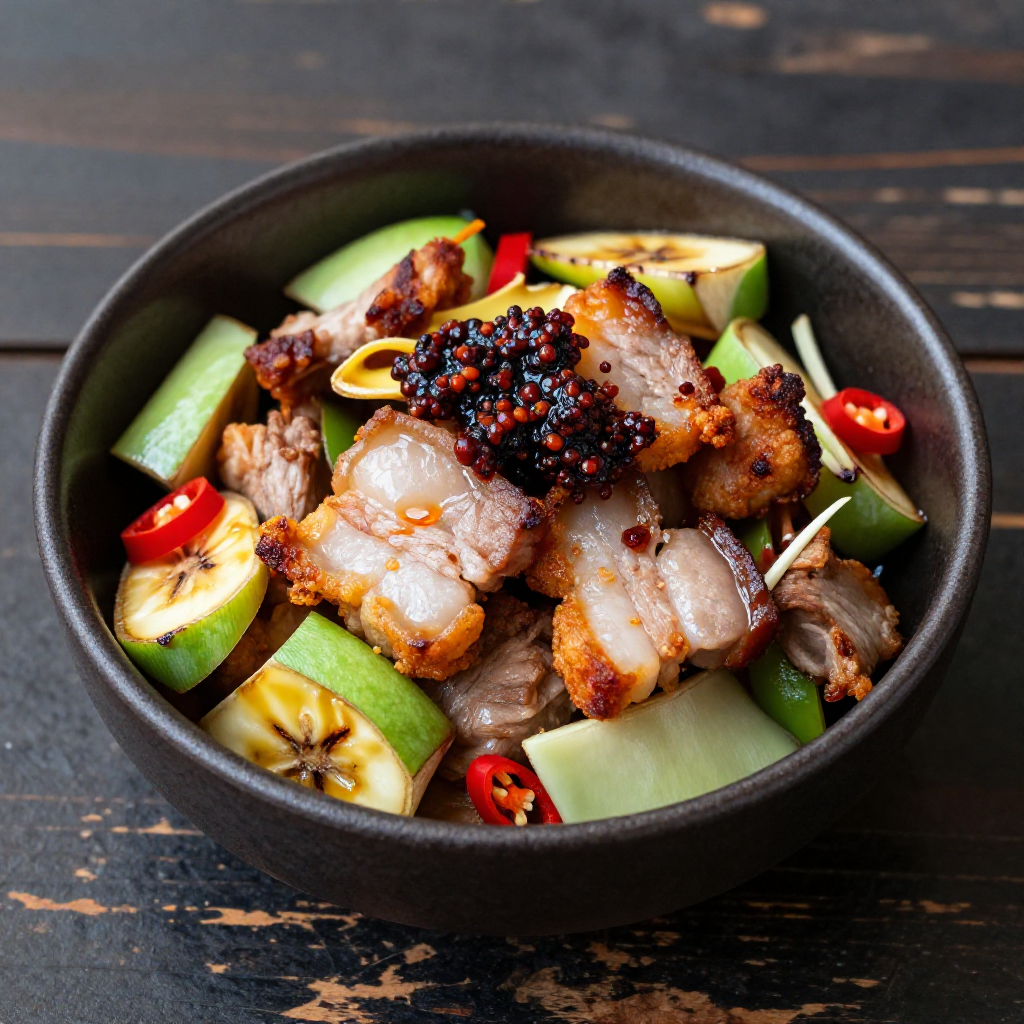
Pinakupsan
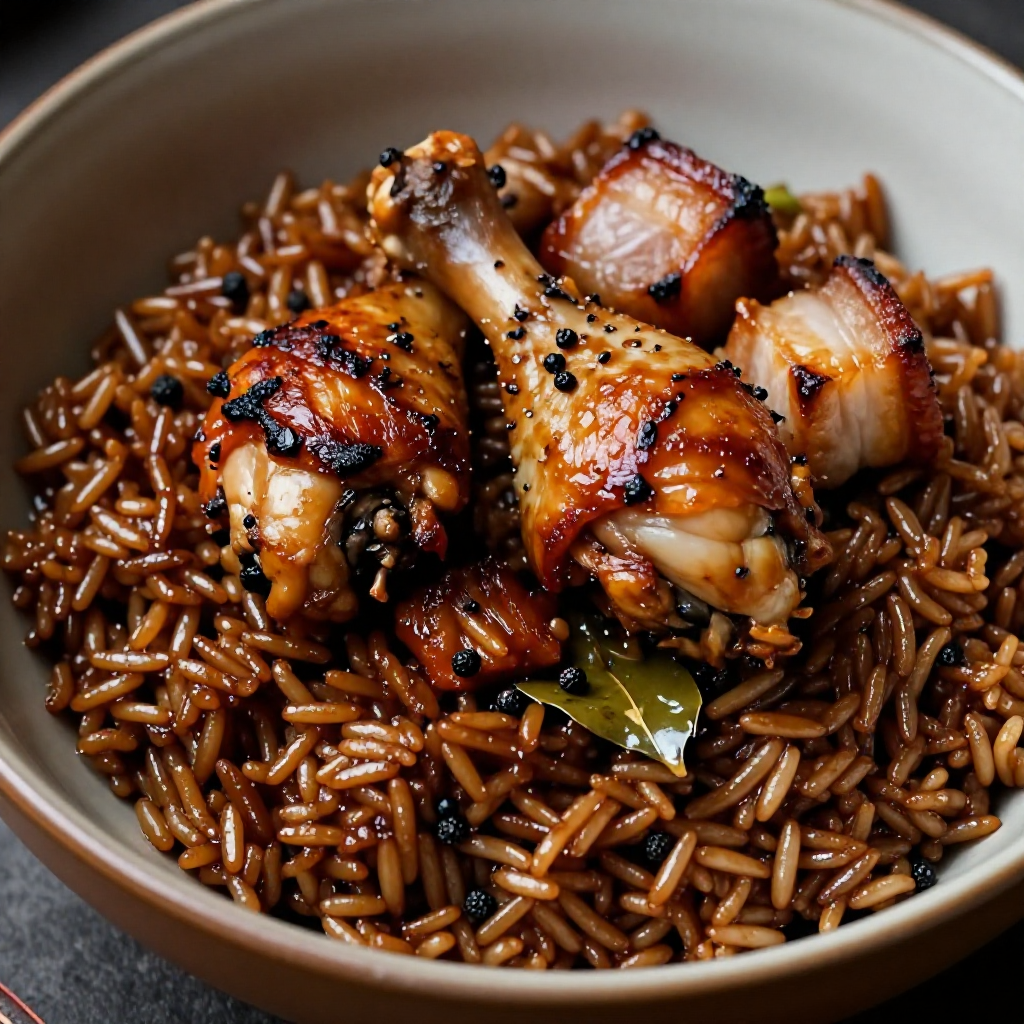
Pinakupsan — crispy pork belly cracklings made by rendering the fat until only the golden, crunchy skin and meat remain. A Visayan chicharon specialty.
Instructions
- Cut the pork into uniform sizes to ensure the pieces render fat at the same rate and finish crisping up at the same time.
- Season the pork with salt. There is no need to add water or liquid.
- Do not rush the process. The gentle, low cooking will allow the pork to render fat slowly and crisp up without burning, resulting in airy, crunchy bites rather than a tough, chewy texture.
- The longer the pork is cooked and the more fat it renders, the crispier the texture.
- These delectable pork morsels are often enjoyed as an appetizer or main dish. Serve with steamed rice and spicy vinegar for a hearty meal.
- Turn leftovers into humba or add to pancit, vegetable stir-fries, and soups such as pancit bihon, pinakbet, or ginisang munggo.
Kitchen Tools We Recommend
Cook Pinakupsan the easy way with the right tools. Shop our favorite kitchen essentials on Amazon — from reliable pots and pans to measuring tools that make Filipino cooking simpler.
🔥 Trending on Amazon right now — these products are selling fast. Check out what's climbing the charts.
As an Amazon Associate, I earn from qualifying purchases.
Pro Tips & Troubleshooting
- Let meats rest after cooking so the juices redistribute for a more tender result.
- Sauté aromatics (garlic, onion) until fragrant before adding liquids — it builds a deeper flavor base.
- Filipino dishes are built on balance — taste your sauce before serving and add a pinch of sugar or a splash of vinegar if something feels off.
Cooking Tips
Let pork rest for 5–10 minutes after cooking before slicing. This redistributes juices so every bite stays moist.
Substitutions
Short on time? A pressure cooker (Instant Pot) can reduce cooking time by roughly half for most braised and stewed Filipino dishes. Reduce liquid slightly since less evaporates.
Storage & Reheating
Reheat on the stovetop over medium-low heat, adding a splash of water or broth if the sauce has thickened during storage. Microwave in 30-second bursts, stirring between each.
Comments (0)
Leave a comment