Pro Tips
Brown the meat well before adding liquids for deeper flavor. Low and slow cooking makes tough cuts tender.
Cooking Tips
For the most tender results, cook low and slow — a gentle simmer (not a vigorous boil) breaks down connective tissue without drying out the meat. Taste and adjust seasoning toward the end of cooking. As liquids reduce, flavors concentrate, so what tastes balanced early may become too salty later. Check liquid levels halfway through cooking and add hot water or broth if needed. Long-cooked dishes can dry out or burn if left unattended.
Ingredient Substitutions
Pork alternatives: Chicken thighs work well in most pork recipes (they stay moist like pork does). For a leaner option, use turkey breast or firm tofu. Short on time? A pressure cooker (Instant Pot) can reduce cooking time by roughly half for most braised and stewed Filipino dishes. Reduce liquid slightly since less evaporates.
Storage & Reheating
Store in an airtight container in the refrigerator for up to 3–4 days. The flavors often deepen overnight, making leftovers even more delicious. Reheat on the stovetop over medium-low heat, adding a splash of water or broth if the sauce has thickened during storage. Microwave in 30-second bursts, stirring between each.

Piaparan
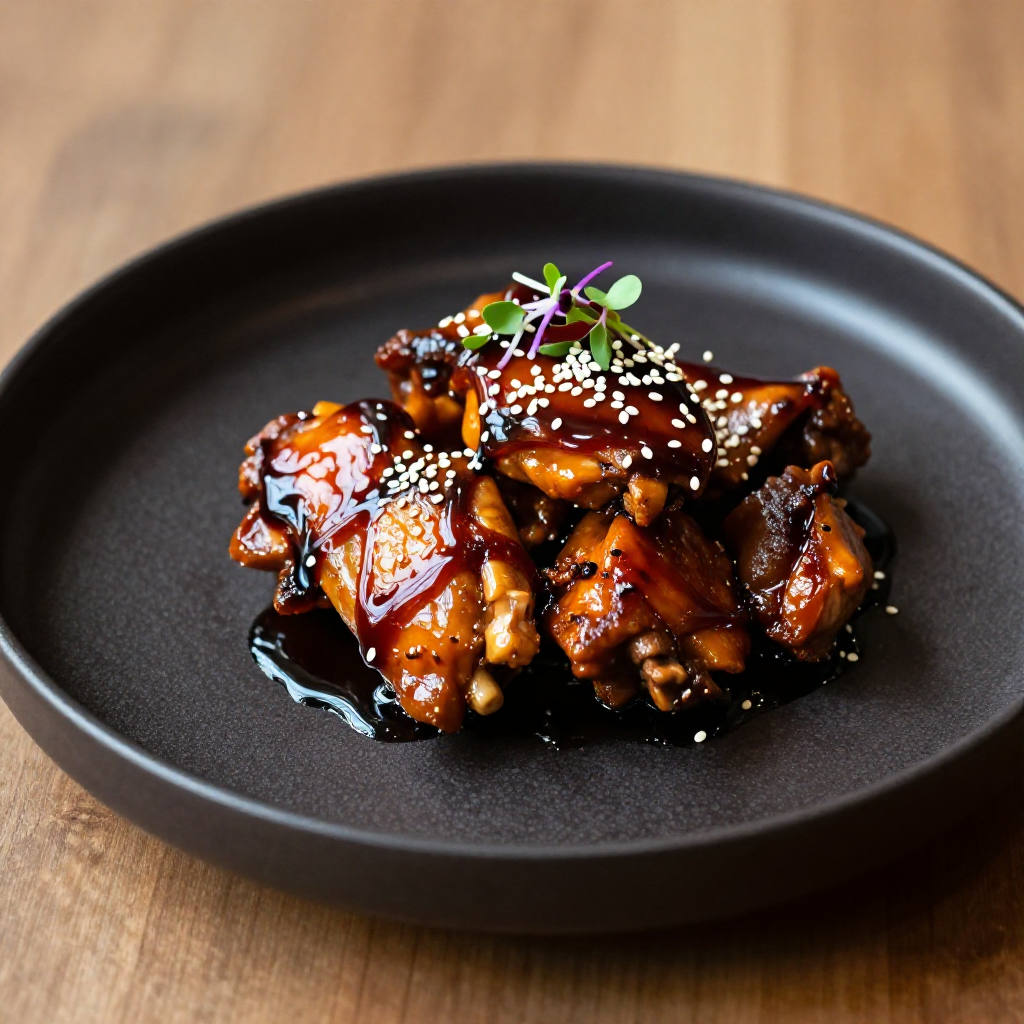
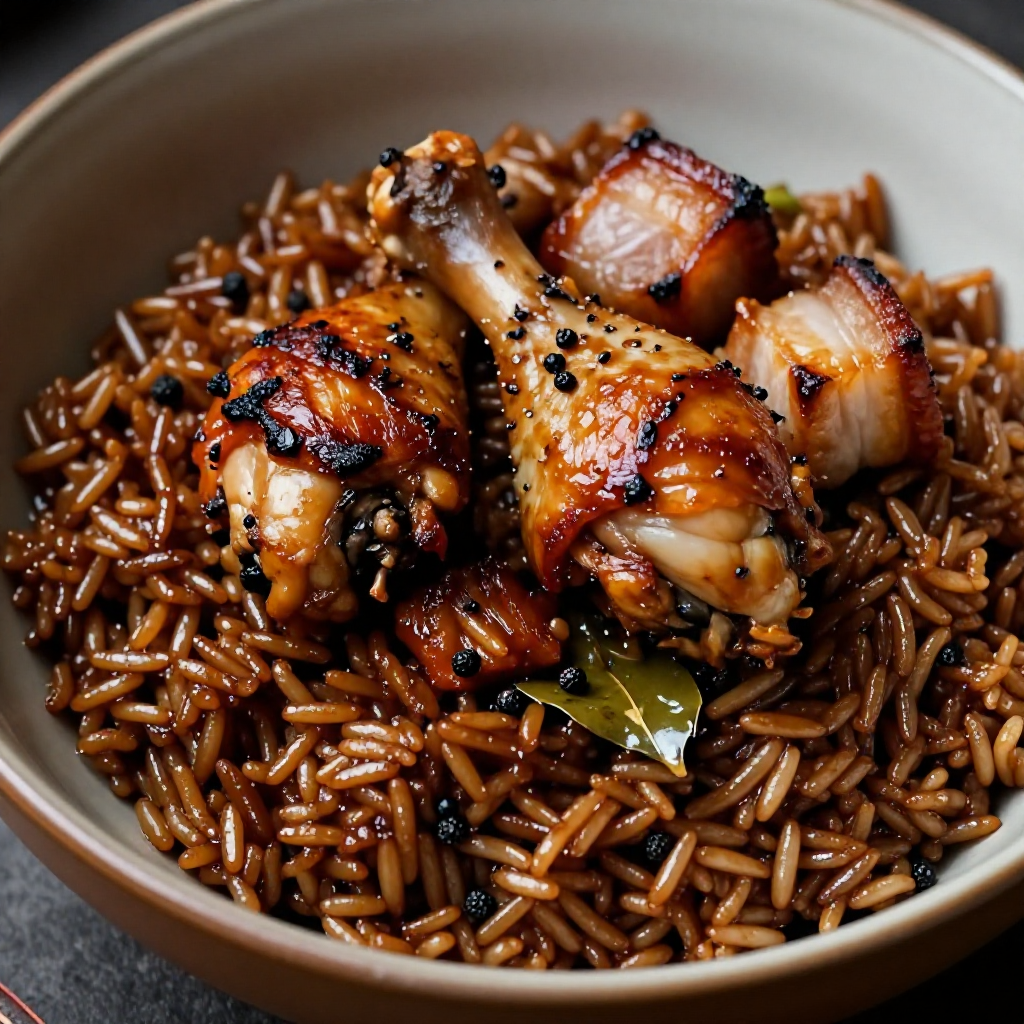
A hearty chicken stew from Mindanao, prepared in a large pot with chicken, pork, and an abundance of vegetables simmered together in a rich, slightly sour broth. The name 'piaparan' comes from the act of gathering and mixing ingredients together — it's the ultimate communal cooking dish of the southern Philippines. Each family has their own version, but the common thread is the generous mix of vegetables and the deep, satisfying broth that makes it a favorite during fiestas and family reunions.
Instructions
- In a large pot, sear the pork belly cubes in a little oil until golden and the fat starts to render. This step is important — it builds a rich, savory base. Remove the pork and set aside, leaving the rendered fat in the pot.
- In the same pot with the pork fat, sauté the minced garlic and sliced onions until fragrant and golden. Add the chicken pieces and sear them skin-side down for about 5 minutes until nicely browned. Flip and cook the other side briefly.
- Add the quartered tomatoes and let them break down for about 3 minutes. This creates a natural sauce base. Return the seared pork to the pot, then pour in the water. Add bay leaves, tamarind pulp, patis, salt, and pepper. Bring to a boil, then reduce to a simmer.
- Cover and simmer for about 30 minutes until the chicken is nearly cooked through. The broth should be fragrant and the meat should start pulling away from the bones.
- Now comes the vegetable layering — add the gabi and pumpkin first since they need more time to cook. After 10 minutes, add the green beans, string beans, and okra. The eggplant goes in last since it cooks very quickly. Everything should be simmering together beautifully.
- Cook for another 10 to 15 minutes until all vegetables are tender and the chicken is falling-off-the-bone tender. Stir in the siling haba and siling labuyo at the very end. The final dish should have a deep, complex flavor — savory, slightly sour from the tamarind, with a gentle warmth from the chilies.
- Ladle generously into deep bowls with the broth, chicken, pork, and a rainbow of vegetables in each serving. Piaparan is best served with large bowls of steamed rice to soak up the incredible broth.
Kitchen Tools We Recommend
Cook Piaparan the easy way with the right tools. Shop our favorite kitchen essentials on Amazon — from reliable pots and pans to measuring tools that make Filipino cooking simpler.
🔥 Trending on Amazon right now — these products are selling fast. Check out what's climbing the charts.
As an Amazon Associate, I earn from qualifying purchases.
Pro Tips & Troubleshooting
Cooking Tips
Taste and adjust seasoning toward the end of cooking. As liquids reduce, flavors concentrate, so what tastes balanced early may become too salty later.
Check liquid levels halfway through cooking and add hot water or broth if needed. Long-cooked dishes can dry out or burn if left unattended.
Substitutions
Short on time? A pressure cooker (Instant Pot) can reduce cooking time by roughly half for most braised and stewed Filipino dishes. Reduce liquid slightly since less evaporates.
Storage & Reheating
Reheat on the stovetop over medium-low heat, adding a splash of water or broth if the sauce has thickened during storage. Microwave in 30-second bursts, stirring between each.
Comments (0)
Leave a comment