Pro Tips
Use pork belly with good layers of fat — lean pork will dry out during the braising and lose that signature succulence. Fresh pineapple gives a brighter, more complex acidity than canned; if using canned, skip the added sugar and adjust at the end. Let the sauce reduce until it coats the back of a spoon; watery pechoso is a common mistake.
Cooking Tips
For the best results with this pork, ensure your ingredients are fresh. Pay close attention to the heat levels during the simmering phase to allow the flavors to meld perfectly without overcooking the main components.
Ingredient Substitutions
If the primary protein is unavailable, you can substitute with a similar cut of meat or firm tofu for a vegetarian twist. For souring agents, calamansi can often be replaced with lemon or white vinegar depending on your preference.
Storage & Reheating
Allow the dish to cool completely before transferring to an airtight container. It stays fresh in the refrigerator for up to 3 days. Reheat gently on the stovetop over low-medium heat, adding a splash of water if the sauce has thickened too much.

Pechoso
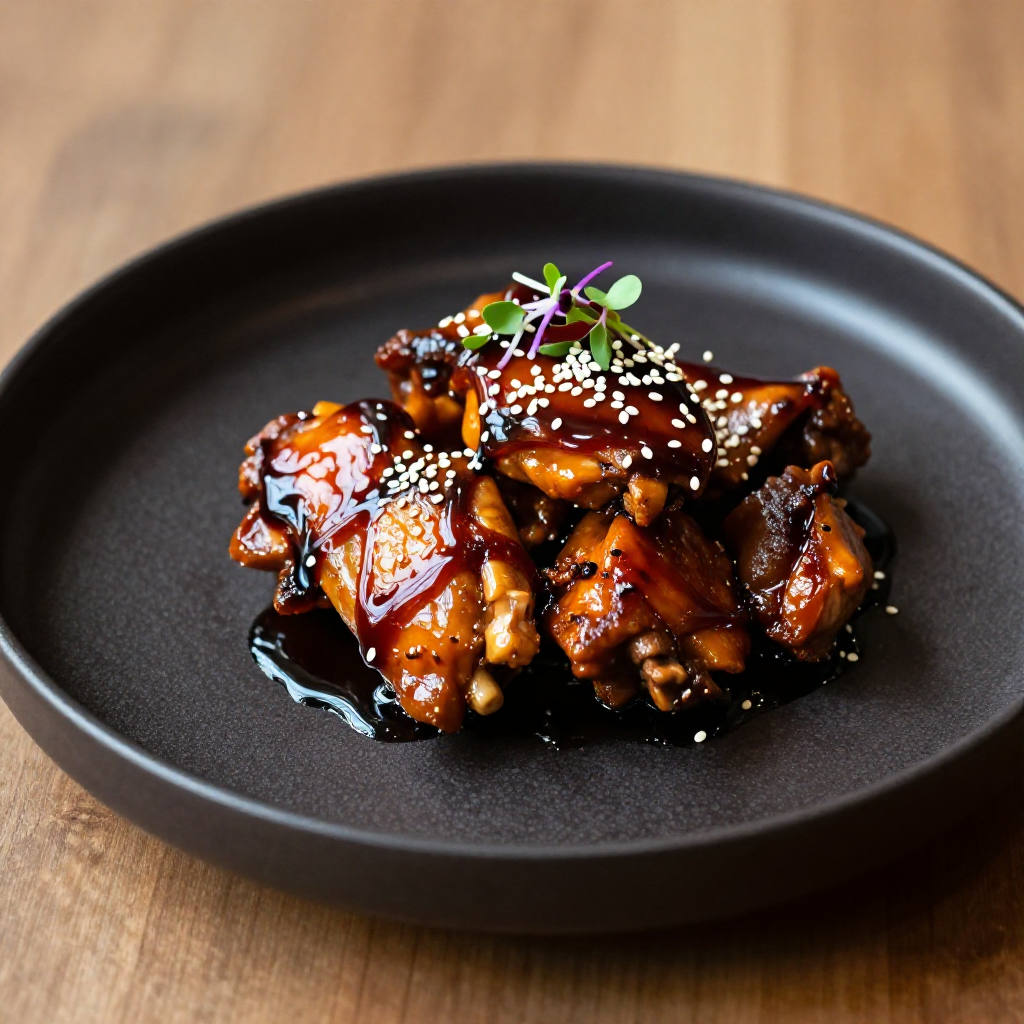
Pechoso is a Visayan specialty that balances sweet and sour in a glossy, clingy sauce built around pork belly, pineapple, and tomato. The name comes from the Tagalog words for pork and tomato, but the dish is very much a Cebuano classic. It is tangy enough to cut through the richness of the pork, yet sweet enough to make kids ask for seconds.
Instructions
- Cut the pork belly into one-and-a-half inch cubes. Blanch them in boiling water for 3 minutes, then drain and rinse. This removes excess blood and impurities for a cleaner sauce.
- Cut the pork belly into one-and-a-half inch cubes. Blanch them in boiling water for 3 minutes, then drain and rinse. This removes excess blood and impurities for a cleaner sauce.
- In a large pan, sear the pork belly cubes over medium-high heat until they develop a golden-brown crust on all sides, about 5 minutes. This step is what gives pechoso its deep, rich color.
- In a large pan, sear the pork belly cubes over medium-high heat until they develop a golden-brown crust on all sides, about 5 minutes. This step is what gives pechoso its deep, rich color.
- Push the pork to the side. Saute the minced garlic, sliced onion, and quartered tomatoes in the rendered pork fat until the tomatoes break down, about 3 to 4 minutes.
- Push the pork to the side. Saute the minced garlic, sliced onion, and quartered tomatoes in the rendered pork fat until the tomatoes break down, about 3 to 4 minutes.
- Add the soy sauce, vinegar, brown sugar, water, bay leaves, salt, and pepper. Stir everything together and bring to a simmer.
- Add the soy sauce, vinegar, brown sugar, water, bay leaves, salt, and pepper. Stir everything together and bring to a simmer.
- Cover and cook on low heat for about 30 minutes until the pork belly is tender and falling apart slightly. Add a splash more water if the pan gets too dry.
- Cover and cook on low heat for about 30 minutes until the pork belly is tender and falling apart slightly. Add a splash more water if the pan gets too dry.
- Add the pineapple chunks and bell pepper strips. Cook uncovered for another 5 to 8 minutes until the sauce thickens to a glossy, clingy consistency. Taste and adjust sweetness or sourness as needed. Serve over steamed rice.
- Add the pineapple chunks and bell pepper strips. Cook uncovered for another 5 to 8 minutes until the sauce thickens to a glossy, clingy consistency. Taste and adjust sweetness or sourness as needed. Serve over steamed rice.
Kitchen Tools We Recommend
Cook Pechoso the easy way with the right tools. Shop our favorite kitchen essentials on Amazon — from reliable pots and pans to measuring tools that make Filipino cooking simpler.
🔥 Trending on Amazon right now — these products are selling fast. Check out what's climbing the charts.
As an Amazon Associate, I earn from qualifying purchases.
Comments (0)
Leave a comment