Pro Tips
Patupap is traditionally made during pork slaughter season in Ilocos. The key is to keep the blood mixture well-stirred so the rice and blood don't separate. If making from scratch is too daunting, you can buy pork blood from some wet markets or from Ilocano vendors. Always clean the intestines thoroughly — soak in vinegar and salt water, then rinse repeatedly until the water runs clear.
Cooking Tips
Score the fat cap in a crosshatch pattern before cooking — this helps render the fat evenly and creates a crisper texture. Let pork rest for 5–10 minutes after cooking before slicing. This redistributes juices so every bite stays moist. True to Ilocano tradition, this Patupap pairs wonderfully with a side of steamed rice and fresh bagoong (fermented shrimp paste) for an authentic regional experience.
Ingredient Substitutions
Pork alternatives: Chicken thighs work well in most pork recipes (they stay moist like pork does). For a leaner option, use turkey breast or firm tofu. Short on time? A pressure cooker (Instant Pot) can reduce cooking time by roughly half for most braised and stewed Filipino dishes. Reduce liquid slightly since less evaporates.
Storage & Reheating
Store in an airtight container in the refrigerator for up to 3–4 days. The flavors often deepen overnight, making leftovers even more delicious. Reheat on the stovetop over medium-low heat, adding a splash of water or broth if the sauce has thickened during storage. Microwave in 30-second bursts, stirring between each.
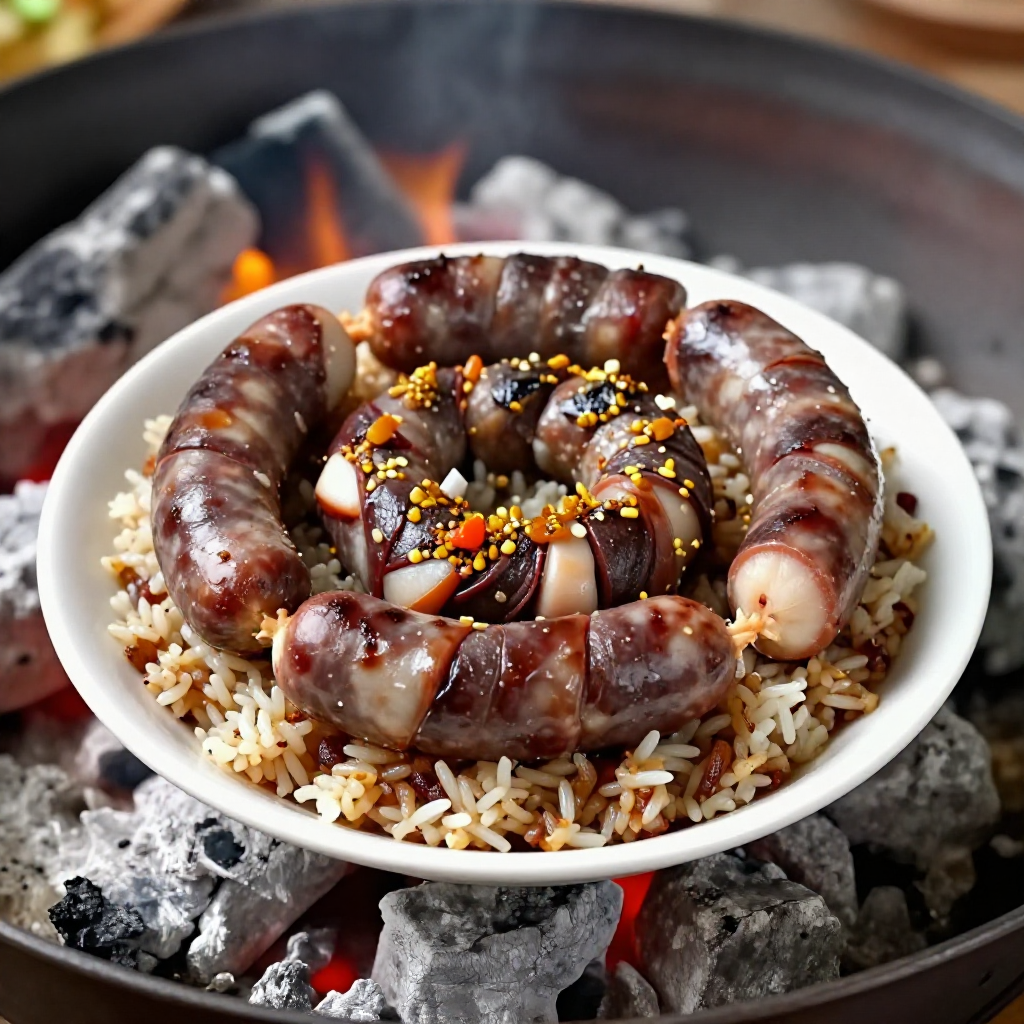
Patupap
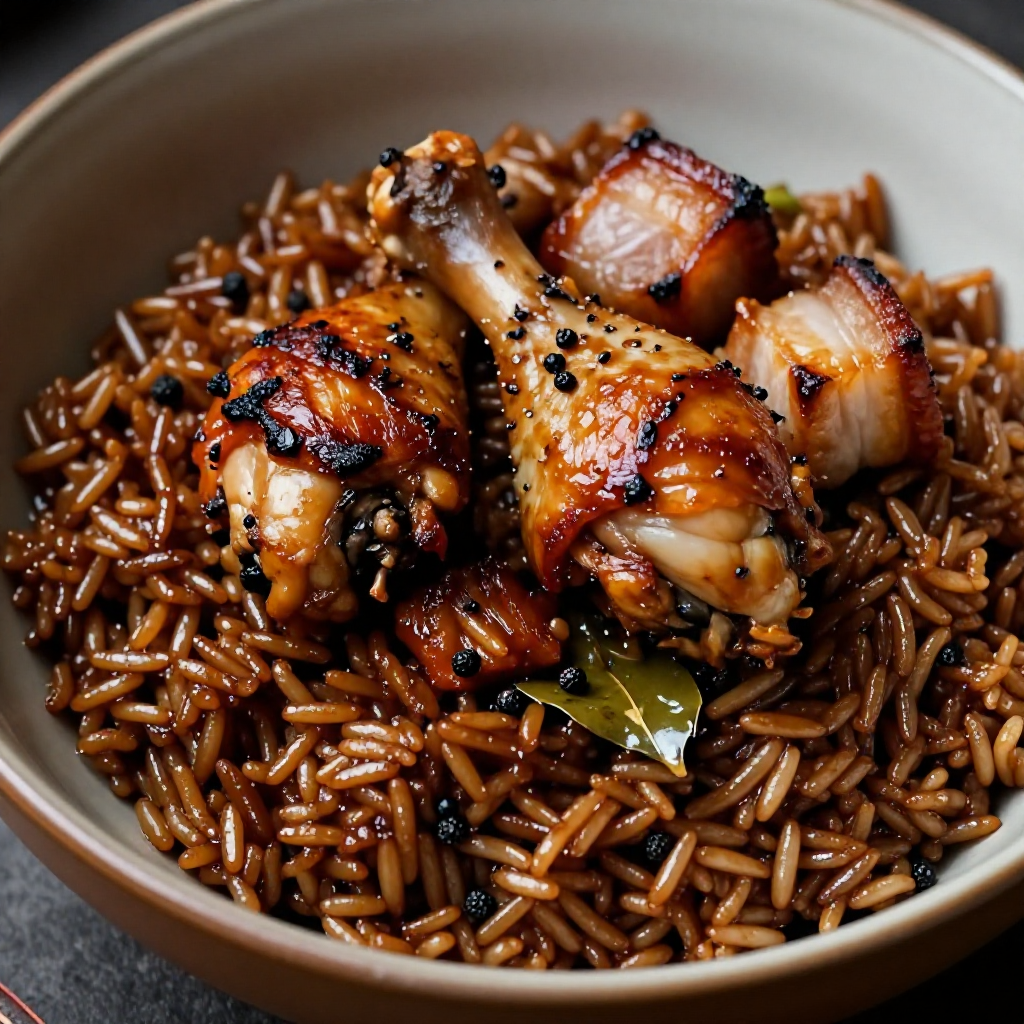
Patupap is a traditional Ilocano blood sausage made by stuffing a mixture of fresh pork blood, cooked rice, pork fat, and seasonings into cleaned pig intestines, then grilling it over charcoal. It's a dish born from the Ilocano value of zero waste — using every part of the pig. The result is a rich, earthy sausage with a unique texture from the rice grains suspended in the blood curd. It's commonly grilled and served as a breakfast dish or as ulam with rice and bagoong.
Instructions
- Prepare the pork blood by straining it through a fine sieve to remove any clots. If you can't get fresh blood, some Filipino grocery stores sell frozen pork blood — thaw it and strain it. The blood should be smooth and liquid. Set aside at room temperature; don't let it cook or it will clot too early.
- Clean the pig intestines thoroughly. Turn them inside out if possible, then rinse under cold water. Soak in a mixture of vinegar and salt water for 30 minutes to remove any odor and impurities. Rinse again under cold running water until the water runs clear. Cut into lengths of about 30–35 cm, leaving one end open for stuffing. Tie the other end tightly with kitchen twine.
- Cook the rice until it's soft but still individual grains. In a bowl, combine the cooked rice, diced pork fat, minced pork liver, finely chopped onion, minced garlic, fish sauce, salt, and black pepper. Mix well to distribute everything evenly.
- Slowly pour the strained pork blood into the rice mixture while stirring constantly. The blood will start to coat and bind the rice — keep stirring until you have a smooth, pourable but thick mixture. It should be fluid enough to pass through the intestine opening but thick enough to hold together. Taste and adjust seasoning if needed.
- Carefully fill each intestine with the blood-rice mixture. You can use a funnel or a plastic bottle with the bottom cut off to help pour the mixture into the narrow opening. Fill each casing about ¾ full — don't overfill or they may burst during cooking. Tie off each end tightly with kitchen twine, making sure there are no air pockets. Gently squeeze each patupap to distribute the filling evenly.
- Poach the filled patupap in a large pot of simmering (not boiling) water for 20–25 minutes until the blood is fully set and the sausage feels firm to the touch. You'll know it's done when it bounces back slightly when pressed. Remove and let cool. For serving, slice into thick rounds and grill over charcoal or pan-fry in oil until the outside is slightly crispy and charred. Serve with bagoong and steamed rice.
Kitchen Tools We Recommend
Cook Patupap the easy way with the right tools. Shop our favorite kitchen essentials on Amazon — from reliable pots and pans to measuring tools that make Filipino cooking simpler.
🔥 Trending on Amazon right now — these products are selling fast. Check out what's climbing the charts.
As an Amazon Associate, I earn from qualifying purchases.
Pro Tips & Troubleshooting
Cooking Tips
Let pork rest for 5–10 minutes after cooking before slicing. This redistributes juices so every bite stays moist.
True to Ilocano tradition, this Patupap pairs wonderfully with a side of steamed rice and fresh bagoong (fermented shrimp paste) for an authentic regional experience.
Substitutions
Short on time? A pressure cooker (Instant Pot) can reduce cooking time by roughly half for most braised and stewed Filipino dishes. Reduce liquid slightly since less evaporates.
Storage & Reheating
Reheat on the stovetop over medium-low heat, adding a splash of water or broth if the sauce has thickened during storage. Microwave in 30-second bursts, stirring between each.
Comments (0)
Leave a comment