Pro Tips
**Chef's Tips & Troubleshooting:**
- Make sure the pan and oil are hot before adding ingredients for the best sear.
- Fry in batches to avoid overcrowding — lowering the temperature makes food greasy.
- Do not overcook the noodles — they will continue to soften when stir-fried in the pan.
- Render the pork fat first over medium heat until golden-brown before adding other ingredients for deeper flavor.
Cooking Tips
Score the fat cap in a crosshatch pattern before cooking — this helps render the fat evenly and creates a crisper texture. Let pork rest for 5–10 minutes after cooking before slicing. This redistributes juices so every bite stays moist.
Ingredient Substitutions
Pork alternatives: Chicken thighs work well in most pork recipes (they stay moist like pork does). For a leaner option, use turkey breast or firm tofu. Short on time? A pressure cooker (Instant Pot) can reduce cooking time by roughly half for most braised and stewed Filipino dishes. Reduce liquid slightly since less evaporates.
Storage & Reheating
Store in an airtight container in the refrigerator for up to 3–4 days. The flavors often deepen overnight, making leftovers even more delicious. Reheat on the stovetop over medium-low heat, adding a splash of water or broth if the sauce has thickened during storage. Microwave in 30-second bursts, stirring between each.
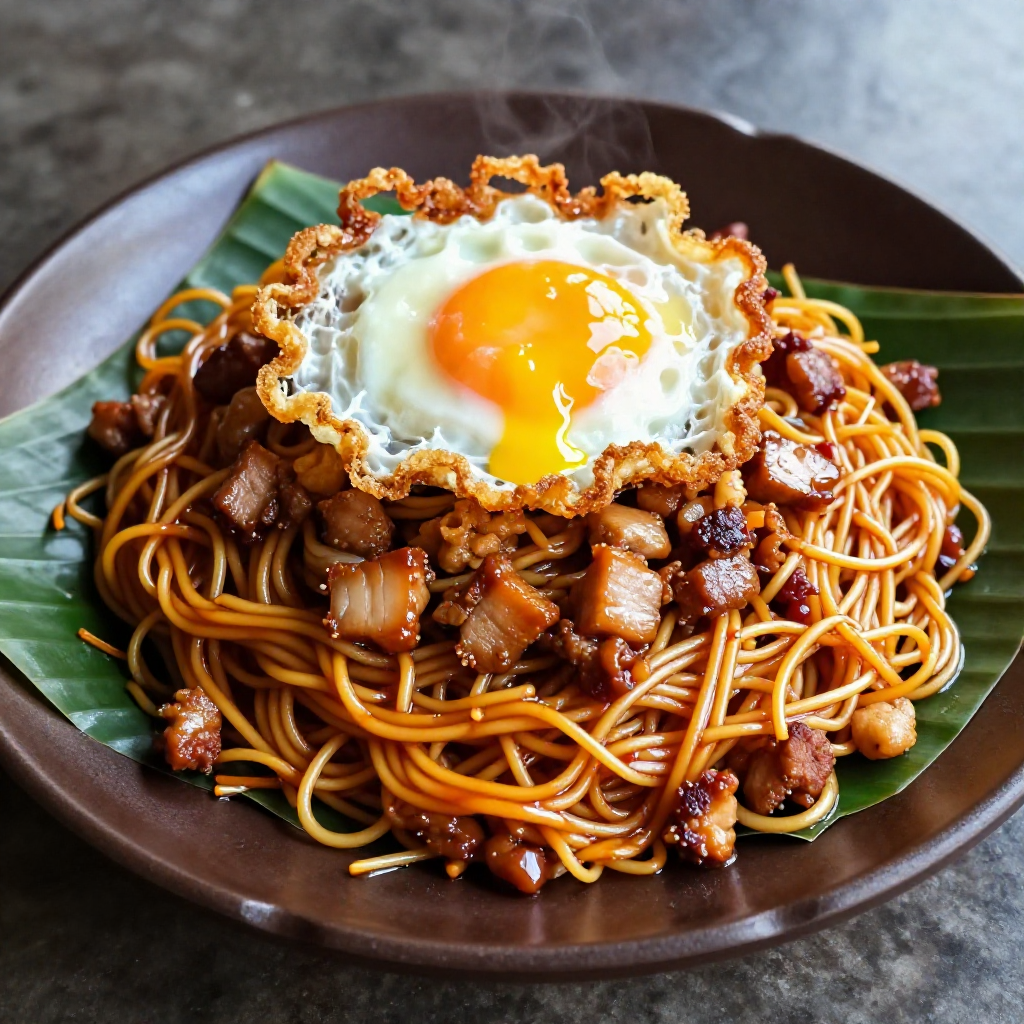
Pancit Batil Patung
Filipino stir-fried batil patung noodles with meat, vegetables, and savory soy-based sauce — a party staple.
Instructions
- Prepare the stock (or batil) by boiling water in a cooking pot. Add the beef bones. Let boil for 5 minutes.
- Hold the chopped celery, carrot, and onion together using a cheese cloth and secure using a kithen thread. This will be the mirepoix. Add the mirepoix in the cooking pot and let boil.
- Add the beef cube. Continue to boil in low heat for 3 hours or until the beef gets tender. You may add more water if needed. Once the stock is ready, set aside.
- Heat the cooking oil in a wide pan or wok. Saute the onion until soft.
- Add the minced beef. Saute for 3 to 5 minutes.
- Stir-in the sliced liver. Saute for 3 minutes.
- Add the mung bean sprouts, green onion, cabbage, and carrots. Continue to saute for 2 to 3 minutes.
- Scoop-in 4 to 5 cups of beef stock. Let boil.
- Push the meat and vegetables on one side of the pan. Arrange the Miki noodles on the other side. Toss the noodles while cooking. Add soy sauce and ground black pepper. cook for 2 to 3 minutes.
- Push the noodles on one side to create an opening. Crack one egg and gently let it slide into the broth. Poach until cooked. Remove the poached egg and set aside.
- Remove the noodles from the pan and arrange in a plate.
- Scoop out the remaining stock and place in a small sauce pan. Turn off the heat and transfer the cooked meat and vegetables in a clean plate. Set aside.
- Meanwhile, heat the saucepan with the stock from the pan. Once it starts to boil, crack a piece of egg and add it to the pot. Quickly stir and continue to cook while constantly stirring for 1 to 2 minutes or until an egg drop soup consistency is formed. Transfer to a bowl.
- Start to assemble the Pancit Batil Patung by topping the miki noodles with poached egg. Add the sautéed meat and vegetables over the egg and top with lechon carajay.
- Serve with a bowl of batil on the side along with a dip that consists of chopped onion, soy sauce, and vinegar.
Kitchen Tools We Recommend
Cook Pancit Batil Patung the easy way with the right tools. Shop our favorite kitchen essentials on Amazon — from reliable pots and pans to measuring tools that make Filipino cooking simpler.
🔥 Trending on Amazon right now — these products are selling fast. Check out what's climbing the charts.
As an Amazon Associate, I earn from qualifying purchases.
Pro Tips & Troubleshooting
- Make sure the pan and oil are hot before adding ingredients for the best sear.
- Fry in batches to avoid overcrowding — lowering the temperature makes food greasy.
- Do not overcook the noodles — they will continue to soften when stir-fried in the pan.
- Render the pork fat first over medium heat until golden-brown before adding other ingredients for deeper flavor.
Cooking Tips
Let pork rest for 5–10 minutes after cooking before slicing. This redistributes juices so every bite stays moist.
Substitutions
Short on time? A pressure cooker (Instant Pot) can reduce cooking time by roughly half for most braised and stewed Filipino dishes. Reduce liquid slightly since less evaporates.
Storage & Reheating
Reheat on the stovetop over medium-low heat, adding a splash of water or broth if the sauce has thickened during storage. Microwave in 30-second bursts, stirring between each.
Comments (0)
Leave a comment