Pro Tips
Traditional kinuday uses hardwood like acacia or pine for smoking — avoid resinous woods that impart bitter flavors. The smoking process takes patience; low and slow is the key. If you do not have a smoking setup, a slow cooker on low with wood chips can approximate the result. Store kinuday in the refrigerator for up to 2 weeks, or freeze for longer storage.
Cooking Tips
For the most tender results, cook low and slow — a gentle simmer (not a vigorous boil) breaks down connective tissue without drying out the meat. Taste and adjust seasoning toward the end of cooking. As liquids reduce, flavors concentrate, so what tastes balanced early may become too salty later. Check liquid levels halfway through cooking and add hot water or broth if needed. Long-cooked dishes can dry out or burn if left unattended.
Ingredient Substitutions
Pork alternatives: Chicken thighs work well in most pork recipes (they stay moist like pork does). For a leaner option, use turkey breast or firm tofu. Short on time? A pressure cooker (Instant Pot) can reduce cooking time by roughly half for most braised and stewed Filipino dishes. Reduce liquid slightly since less evaporates.
Storage & Reheating
Store in an airtight container in the refrigerator for up to 3–4 days. The flavors often deepen overnight, making leftovers even more delicious. Reheat on the stovetop over medium-low heat, adding a splash of water or broth if the sauce has thickened during storage. Microwave in 30-second bursts, stirring between each.

Kinuday
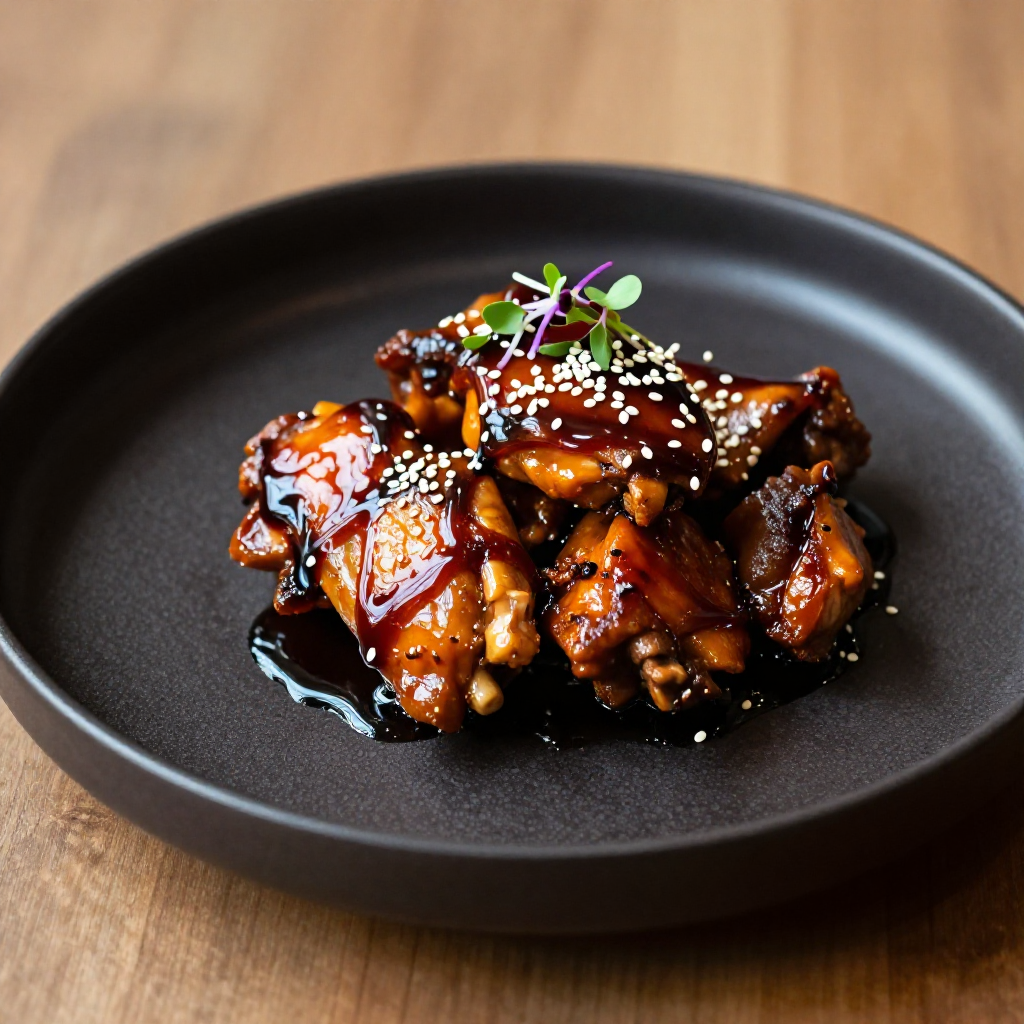
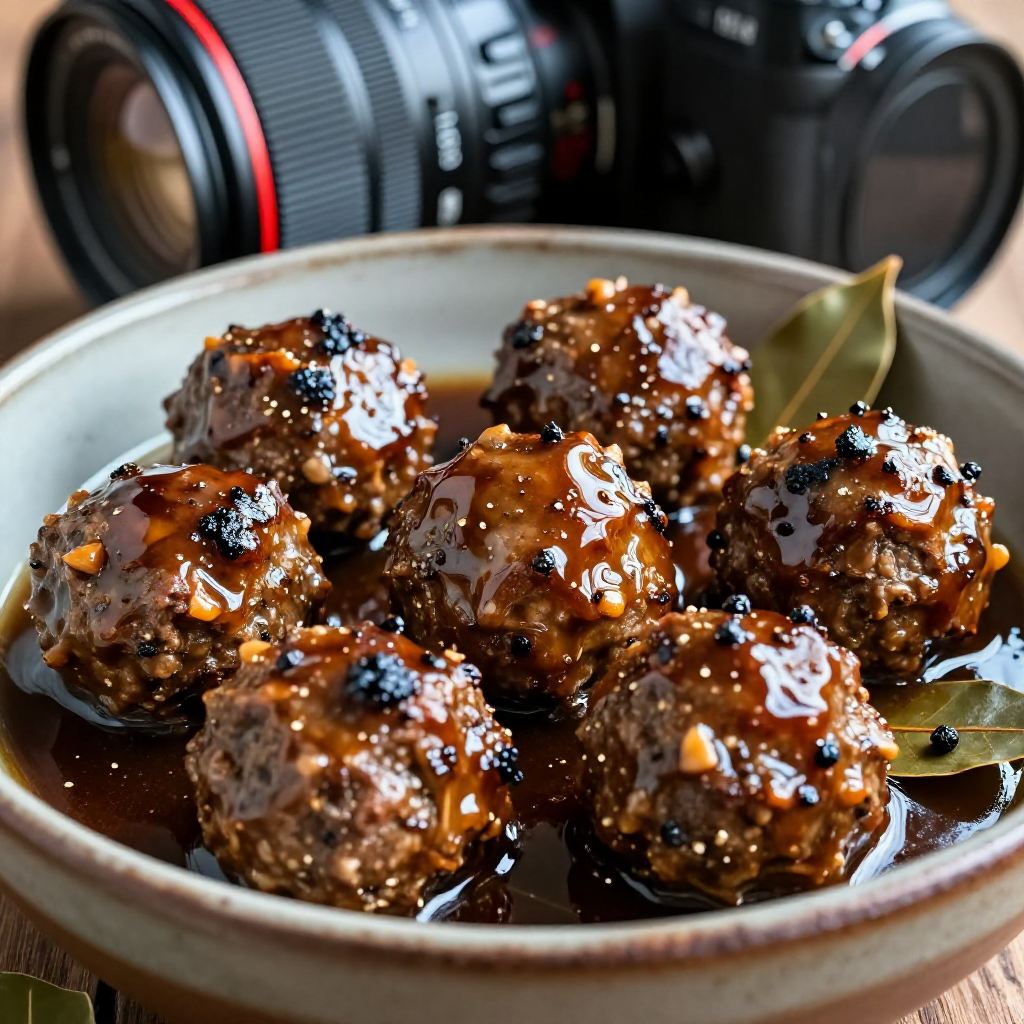
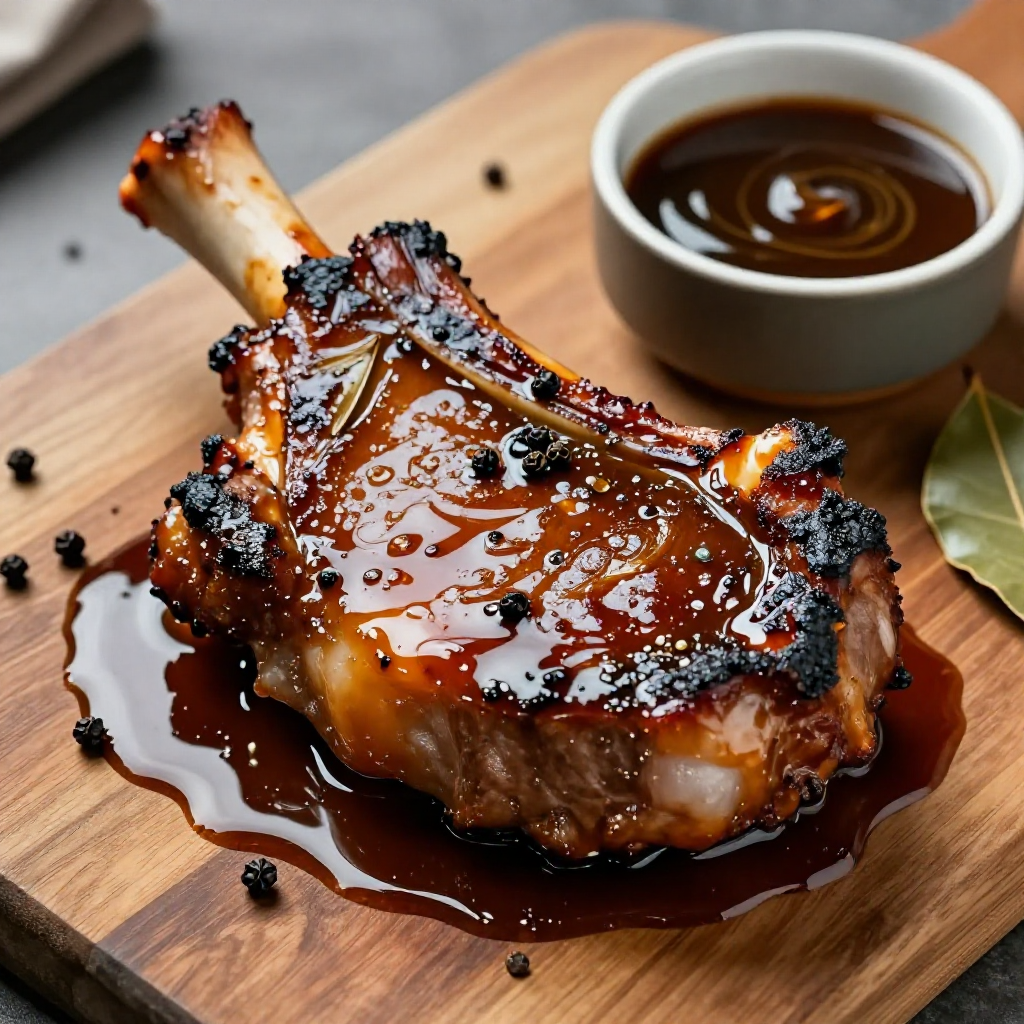
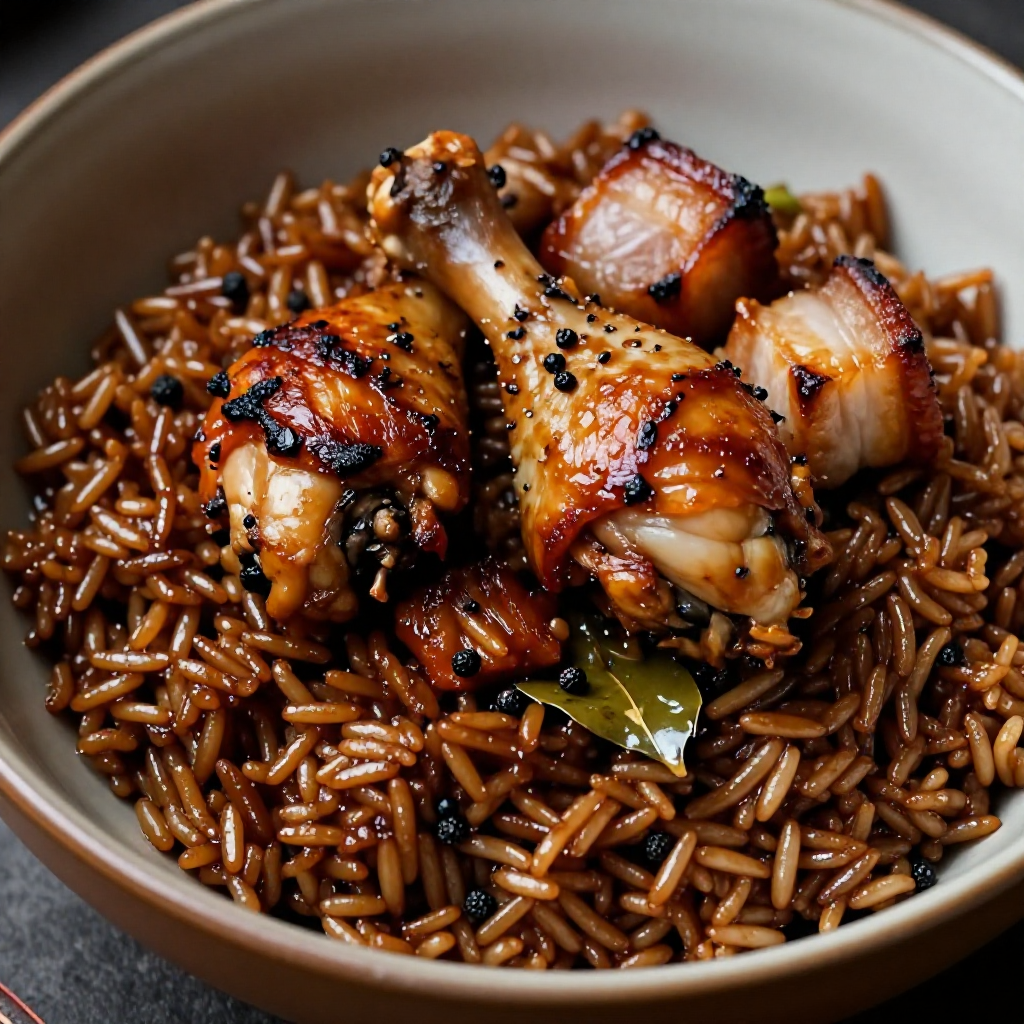
Kinuday is the Cordillera's answer to smoked pork — a delicacy born from the ancient preservation techniques of the Ibaloy and Ifugao peoples. Thick slabs of pork (or carabao) are slowly smoked over aromatic wood fires, resulting in meat that is deeply flavored, tender, and infused with a smoky sweetness. Kinuday can be eaten sliced cold as a pulutan, reheated and sliced thin, or incorporated into stews and stir-fries for extra depth. It is a staple at Cordilleran fiestas and tribal gatherings, where the aroma of the smoking fire fills the air for days.
Instructions
- Rinse the pork thoroughly and pat dry. Score the skin side in a crosshatch pattern, being careful not to cut deep into the meat.
- In a bowl, combine salt, pepper, crushed ginger, crushed garlic, brown sugar, and soy sauce. Rub this mixture generously over the entire surface of the pork, pressing it into the scored areas. Cover and refrigerate for at least 4 hours, or ideally overnight, for maximum flavor penetration.
- Set up your smoking station — a traditional Cordilleran method uses a raised metal rack over an open pit fire with hardwood chips. The meat should hang or rest above the smoke, not directly in the flames. If using a modern smoker, preheat to about 90-110°C (200-230°F) and load the wood chips.
- Place the marinated pork on the rack. Close the lid or cover. Smoke slowly over low heat for 3 to 4 hours. The goal is gentle, consistent smoke — not high heat. Rotate the meat halfway through for even smoking.
- Check the pork after 3 hours by piercing with a fork — the juices should run clear, and the internal temperature should reach at least 74°C (165°F). The exterior should be deeply browned and fragrant.
- Remove from the smoker and let rest at room temperature for 20 minutes before slicing. Slice thinly against the grain. Serve cold as a pulutan, or briefly pan-fry for a crispy texture.
Kitchen Tools We Recommend
Cook Kinuday the easy way with the right tools. Shop our favorite kitchen essentials on Amazon — from reliable pots and pans to measuring tools that make Filipino cooking simpler.
🔥 Trending on Amazon right now — these products are selling fast. Check out what's climbing the charts.
As an Amazon Associate, I earn from qualifying purchases.
Pro Tips & Troubleshooting
Cooking Tips
Taste and adjust seasoning toward the end of cooking. As liquids reduce, flavors concentrate, so what tastes balanced early may become too salty later.
Check liquid levels halfway through cooking and add hot water or broth if needed. Long-cooked dishes can dry out or burn if left unattended.
Substitutions
Short on time? A pressure cooker (Instant Pot) can reduce cooking time by roughly half for most braised and stewed Filipino dishes. Reduce liquid slightly since less evaporates.
Storage & Reheating
Reheat on the stovetop over medium-low heat, adding a splash of water or broth if the sauce has thickened during storage. Microwave in 30-second bursts, stirring between each.
Comments (0)
Leave a comment